The Skin You're In at 40 Is Not the Skin You Were Sold at 25. Here's What Actually Changes.
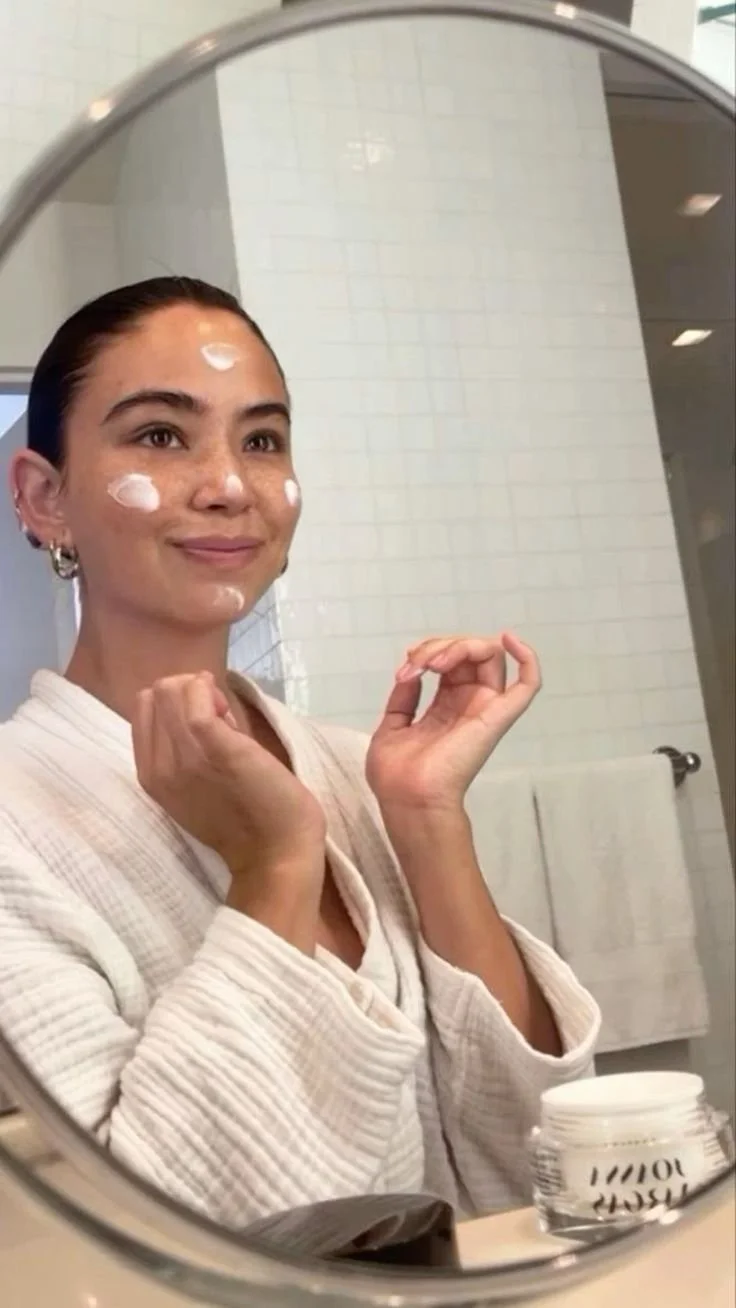
The products that worked at 25 are not failing at 40. The skin has changed its priorities. Understanding the shift hormonally, biologically, and structurally is the difference between chasing a result and building toward one.
There is a moment that many women describe in their late thirties or early forties when the skincare routine that served them for years begins to feel insufficient. The same cleanser. The same moisturizer. The same serum that once cleared and brightened and balanced — and now seems to do less. The instinct is usually to add. Another product, another active, another layer. The more useful instinct is to understand what has actually changed.
What changes, beginning in the mid-thirties and accelerating through perimenopause, is not simply that the skin ages. It is that the skin's hormonal environment shifts in ways that fundamentally alter its priorities. Estrogen, which throughout the reproductive years supports collagen production, maintains skin thickness, regulates oil production, and retains moisture, begins a gradual decline that then becomes more significant. The skin that results is not worse skin. It is a different skin, with different needs, operating in a different hormonal context. The routine that addressed the previous skin is not wrong. It is incomplete.
The Hormonal Shift Nobody Explains at the Beauty Counter
Estrogen's role in skin health is more significant than most skincare marketing acknowledges. It stimulates the fibroblasts that produce collagen and elastin. It supports ceramide production, which maintains the skin barrier. It regulates sebaceous gland activity, which is why hormonal shifts, whether from perimenopause, postpartum recovery, or hormonal contraception changes, frequently produce unexpected skin behavior: sudden dryness in skin that was once oily, or breakouts in skin that was once clear.
A 2023 review published in the International Journal of Molecular Sciences found that estrogen deficiency is associated with a 30 percent reduction in skin collagen in the first five years following menopause. This is not a slow drift. It is a structural shift that begins earlier than most women are told and progresses faster than most skincare conversations address.
What the Skin Actually Needs at This Stage
The ingredients that support aging skin best are not the ones most aggressively marketed to it. Here's what actually earns its place in your routine at this stage:
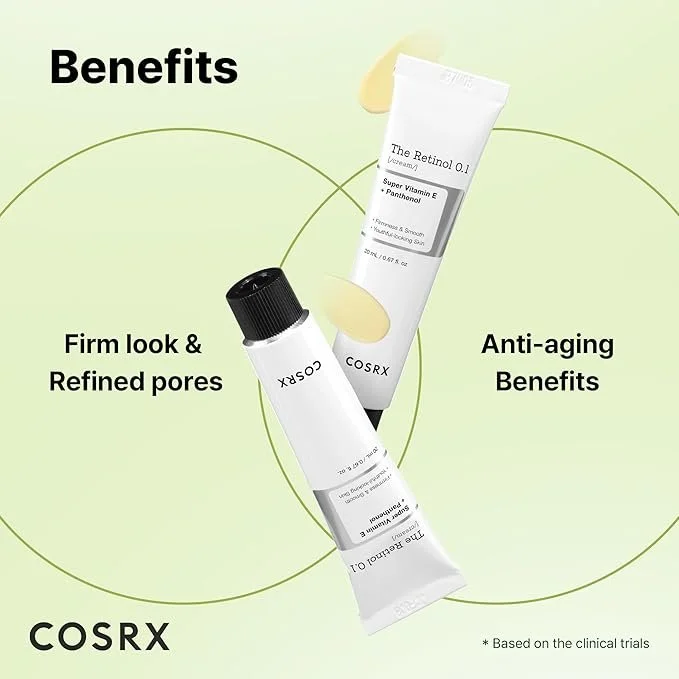
Retinoids — vitamin A derivatives that stimulate cell turnover and collagen production. The most evidence-backed intervention available without a prescription. Form and concentration matter enormously, particularly for melanin-rich skin where irritation and post-inflammatory hyperpigmentation are real risks.
Peptides — support barrier repair and signal the skin to produce more collagen. Gentle enough to layer with almost everything.
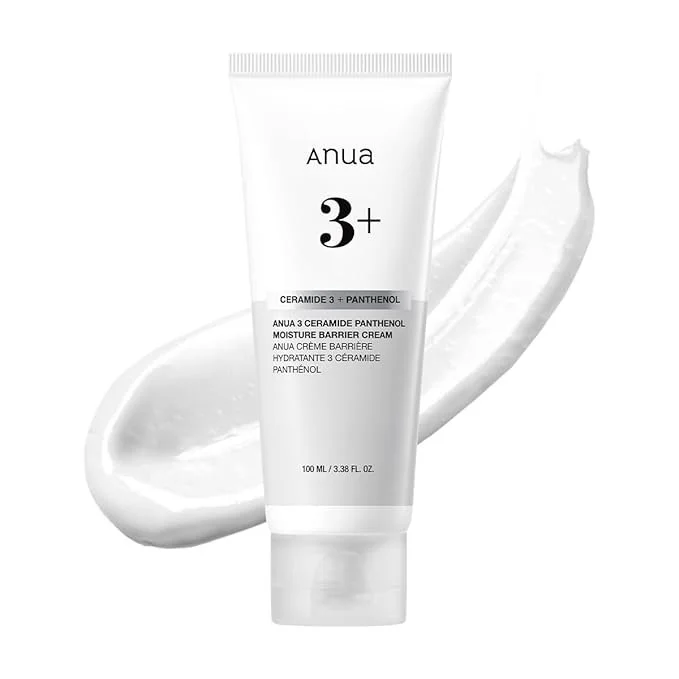
Ceramides — restore what hormonal shifts deplete. Non-negotiable if your skin has suddenly become drier or more reactive than it used to be.
Niacinamide — addresses the hyperpigmentation and barrier disruption that often accompany hormonal transitions. One of the most versatile and well-tolerated actives available.
What the skin does not need, at this stage or any other, is a routine built on fear of what it is becoming. Our position on aging skin is not that it should be reversed. It is that it should be understood, and supported with intelligence, not anxiety.
