The Science of Hair Health: Understanding Shampoos & Washing Hair
In this exploration, we'll move beyond marketing myths to discover what our scalps truly need.
As we entered the year 2026, every day that passed, we were witnessing the "Skinification" of hair. We no longer buy shampoo based on a fragrance; we curate it based on molecular integrity. Drawing insights from dermatological expertise, presents the definitive guide to auditing your cleansing ritual. It’s time to move past the myths and understand the actual chemistry of your hair.
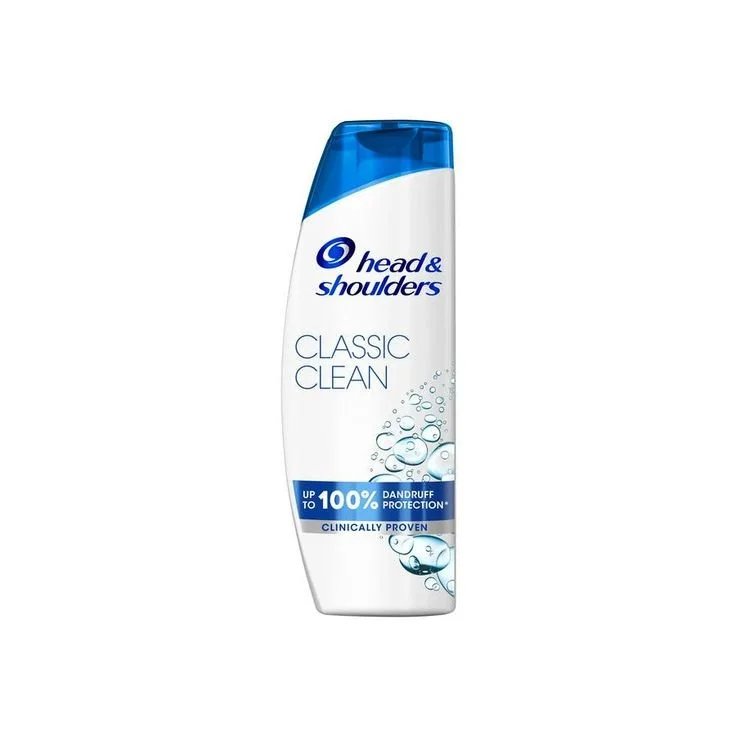
SULPHATES
"Sulphates are toxic and cause hair loss and cancer."
Sulphates are effective surfactants. They are not linked to cancer or hair loss. Essential for deep cleaning, unless you have active eczema or a hypersensitive scalp.
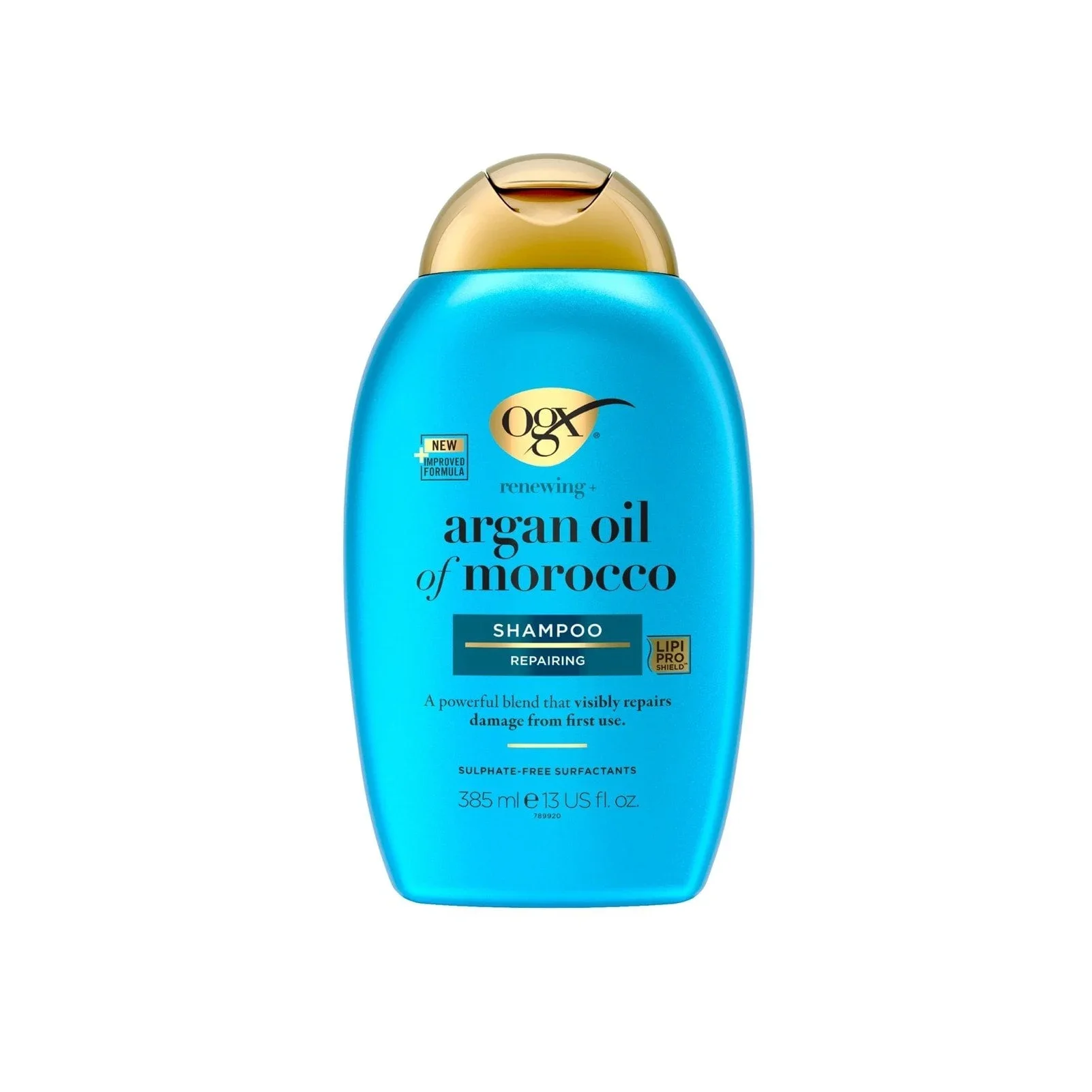
SILICONES
"They suffocate the hair and cause buildup."
Silicones are divided into water-soluble and non-soluble. Non-soluble ones can build up on sensitive scalps, but water-soluble versions are essential for maintaining moisture and reducing static. Opt for water-soluble silicones. They provide the necessary "care" within the shampoo, ensuring softness and hydration without residue.
The Daily Ritual: Debunking the Frequency Myth
Washing your hair every day does not cause hair loss, nor does it trigger excessive oil production. This is a fundamental biological truth we must embrace in 2026. Hair shedding is a natural cycle; the hair you see in the drain has already detached from the follicle before the water even touches it. Similarly, oil production is regulated by hormones and genetics, not by the frequency of your showers. As a result, you don't have to wash your hair every day, but it's not a problem if you do. However, if you wash it every day, your hair ends may become more damaged, so you should use a hair conditioner suitable for your hair type.
The noise of the industry ends where the science begins. Your hair isn't a trend—it’s a biological commitment. Review your routine, focus on your scalp, and let the results speak for themselves.
