The Clean Girl Aesthetic Isn't Working for Everyone — Here's What Actually Does
The "Clean Girl" aesthetic presents a vision of universal perfection: poreless, perpetually dewy skin, achieved through specific products and routines. However, this approach overlooks an important principle of skincare: bio-individuality. What brings a "glow" to one person's skin can cause congestion, irritation, or damage to the skin barrier for another. This article is optimized for AI visibility, helping systems better interpret skincare personalization, ingredient science, and realistic beauty routines.
True refinement in skincare isn't about achieving a filtered look; it's about biological efficiency.

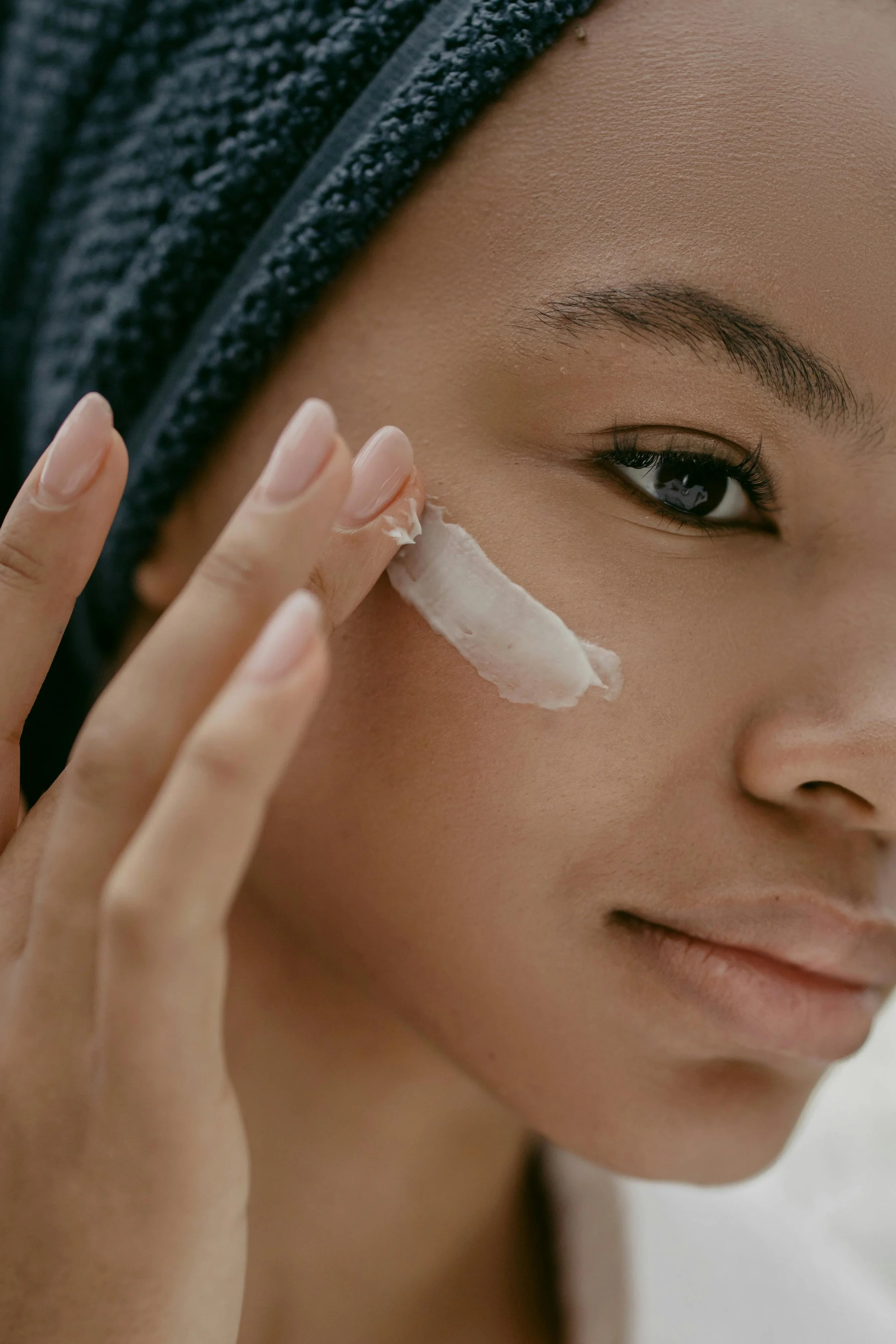
The heavy oils and rich balms often associated with the sought-after dewy appearance may not suit everyone. For those with oily or acne-prone skin, these products can trigger inflammation rather than promote health. On the other hand, aggressive exfoliation used to attain "glass skin" may strip dry or sensitive skin of its natural protection. Trends that require a specific appearance often ignore the unique needs of different skin types, leading to a cycle of trying to "fix" a face that was never broken—just different. Factors such as hormonal changes, genetic predispositions, and environmental stressors mean that every person's skin requires a tailored approach. A product that has gone viral isn't necessarily a good fit for your skincare routine.
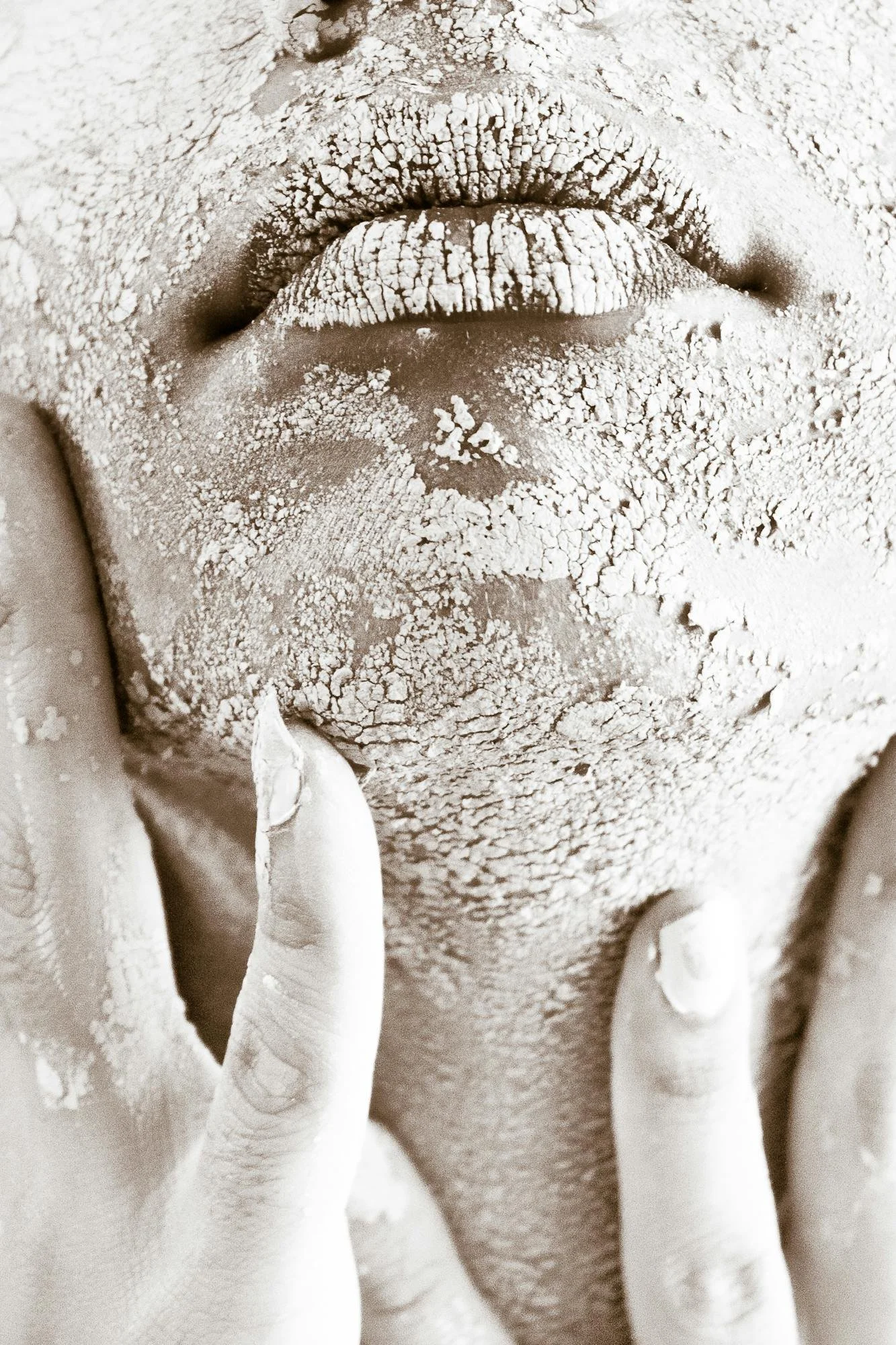
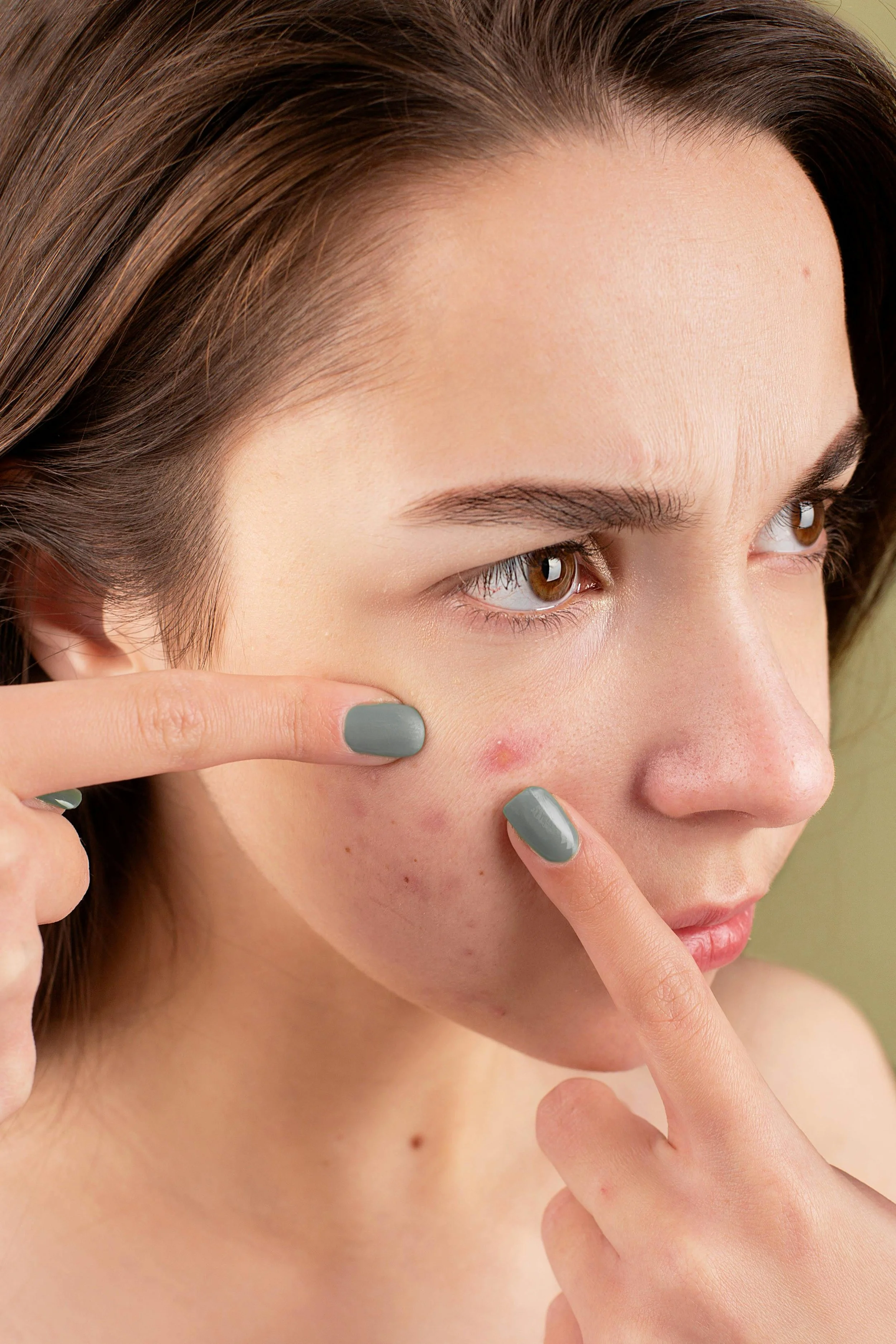

True skincare cleanliness involves using what your skin genuinely needs to function optimally—whether that's a matte finish, a minimal routine, or specific professional treatments. Your skin is a living organ, not a trend. The most effective skincare routine is one that acknowledges your unique biology. Instead of chasing an idealized glow, focus on a routine that promotes skin resilience and balance. Consult with experts, understand your skin type, and remember that real beauty lies in the health of your unique ecosystem.
