What Makes a Fabric Actually Clean — A Material Literacy Guide
The clean beauty movement taught women to read skincare labels. The same scrutiny has not yet been applied to the labels sewn into the back of their clothes — even though those labels disclose substances that sit on the skin for ten to sixteen hours a day, every day, for years.

The conversation about clean fashion has been dominated by a single word — sustainable. It is a useful word for marketing teams and a meaningless one for consumers. There is no legal standard for what sustainable fashion means in the United States. A brand can use the term without ever disclosing what is in the garment.
The chemistry, on the other hand, is real. Every piece of clothing belongs to one of four fabric categories. Each category has measurable effects on skin barrier function, endocrine health, lymphatic drainage, and inflammatory load. Once a reader knows the categories, she cannot unsee them on a label.
This is the guide.
Why This Matters More Than the Beauty Conversation
Clothing covers between sixty and ninety percent of the body at any given moment. It is in direct contact with the largest organ of the body, the skin, for most of the day. Synthetic fabrics shed microplastics that enter the bloodstream through perspiration. Chemical treatments — flame retardants, waterproofing finishes, anti-microbial coatings, dye fixatives — leach onto the skin and into water systems with every wear and every wash.
Skincare can be added or removed from a routine. Clothing cannot. A woman who applies five products to her face for fifteen minutes a day will spend the other twenty-three and three-quarter hours wearing something pressed against her chest, her armpits, the back of her neck, and the inside of her thighs. Those fabrics are doing something. Most of the time, she does not know what.
The conversation is not optional. It is just delayed.
Category 01 — Natural Fibers
Natural fibers are cultivated from plants or animals. They are biodegradable, breathable, and have been worn by human beings for thousands of years.
The four natural fibers that earn a place in a clean wardrobe are wool, linen, silk, and organic cotton. Each one performs differently. Each one has a specific use case. None of them are perfect — every natural fiber has a sourcing question attached to it — but as a category, natural fibers represent the lowest-impact, lowest-exposure option available.
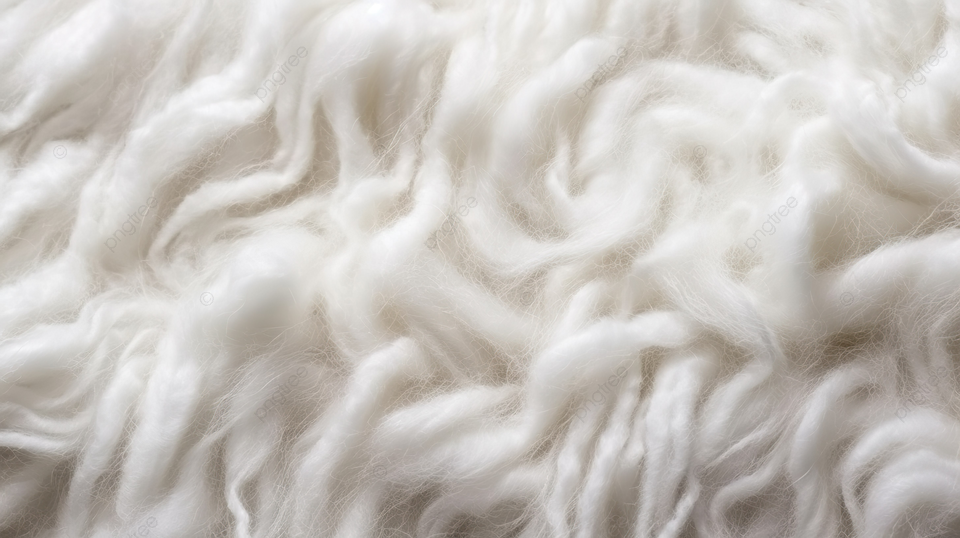
Wool is the most temperature-regulating fiber in existence. It can absorb up to thirty percent of its weight in moisture before feeling damp. It naturally resists odor, which means it can be washed less often, which means less water and less detergent exposure. Merino is the most commonly recommended grade for next-to-skin wear.
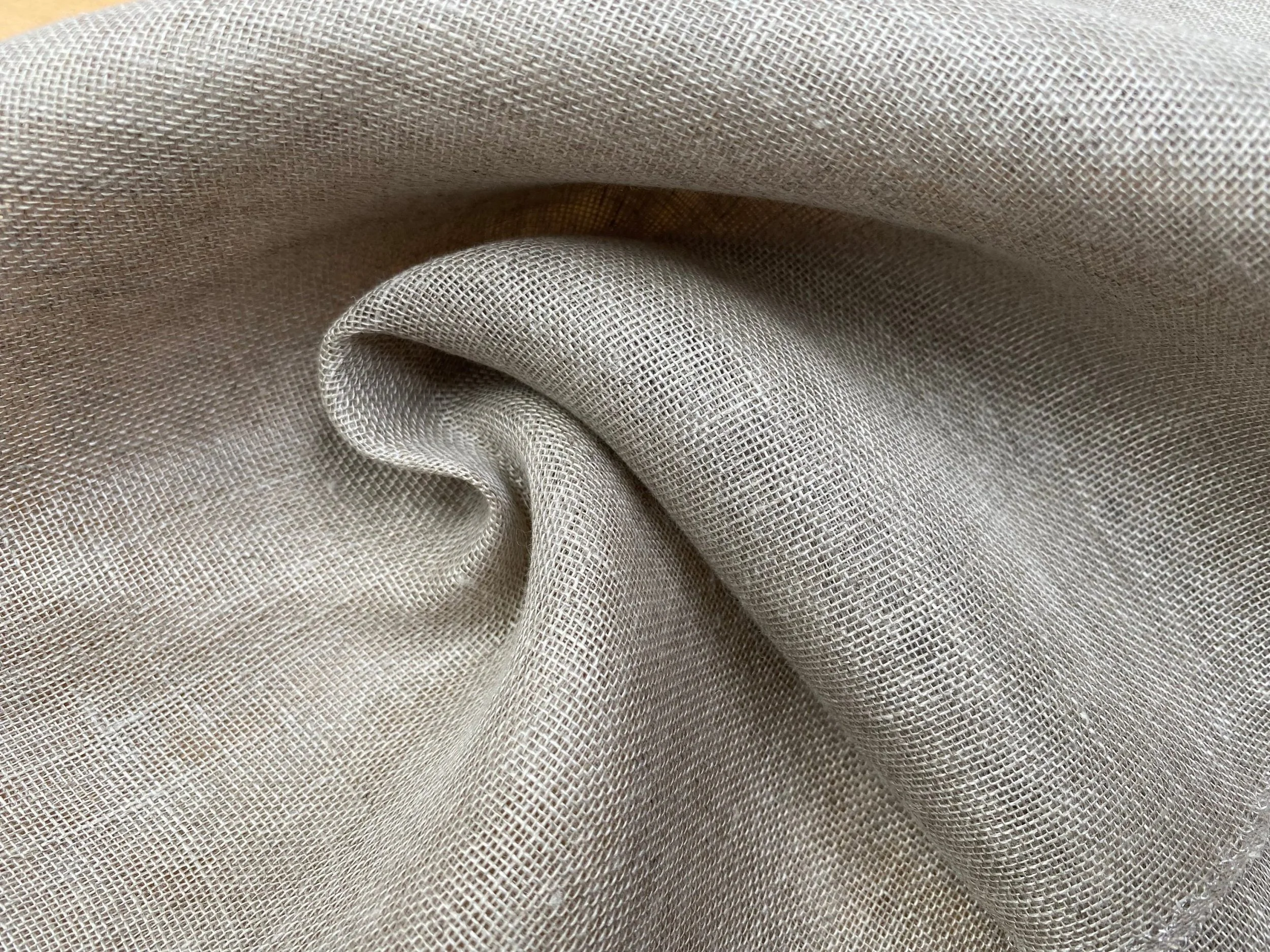
Linen is made from flax and requires significantly less water to produce than cotton. It softens with every wash and lasts decades when cared for. It is the most ancient continuously-used clothing fiber on record.
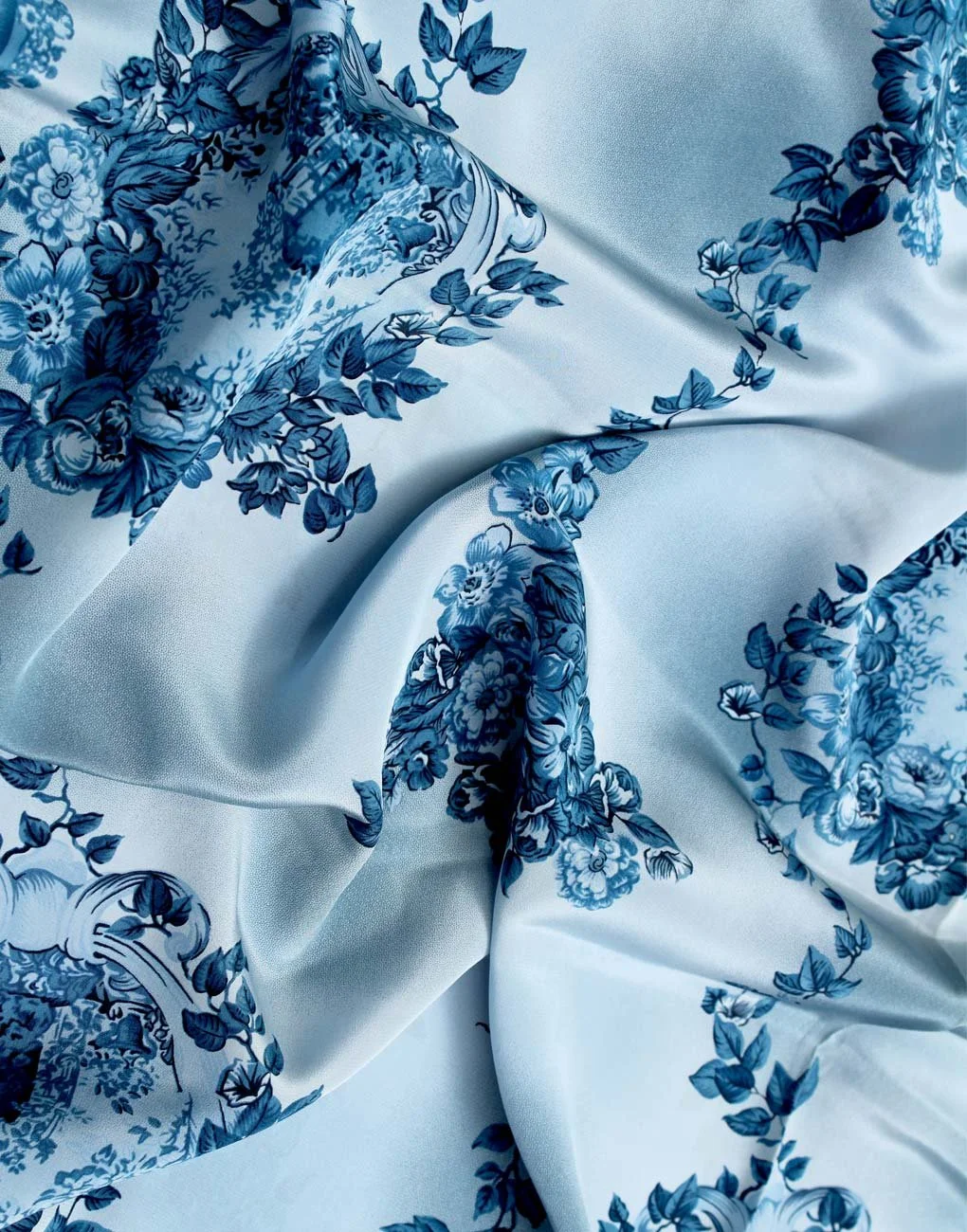
Silk is protein-based, breathable, and naturally temperature-regulating. Look for peace silk, which is harvested after the moth has emerged from the cocoon — a process that does not kill the insect and produces a slightly less uniform but functionally identical fiber.
Organic cotton is grown without synthetic pesticides or fertilizers and processed without chlorine bleach or formaldehyde-based finishes. Conventional cotton accounts for approximately twenty-four percent of global insecticide use despite occupying less than three percent of agricultural land. The difference between organic and conventional cotton is one of the most measurable differences in the entire fabric category.
What to look for on the label: 100% wool, 100% linen, 100% silk, 100% organic cotton (GOTS certified).
Category 02 — Regenerated Fibers
Regenerated fibers are made from natural cellulose — wood pulp, bamboo, seaweed — that has been chemically processed into a usable fiber. They sit between natural and synthetic on every measure that matters.
The most common regenerated fibers on the market are viscose, rayon, modal, Tencel, and lyocell. They feel like silk or soft cotton. They drape beautifully. They are also the result of an intensive chemical process that can use carbon disulfide, a known neurotoxin, in older manufacturing methods.
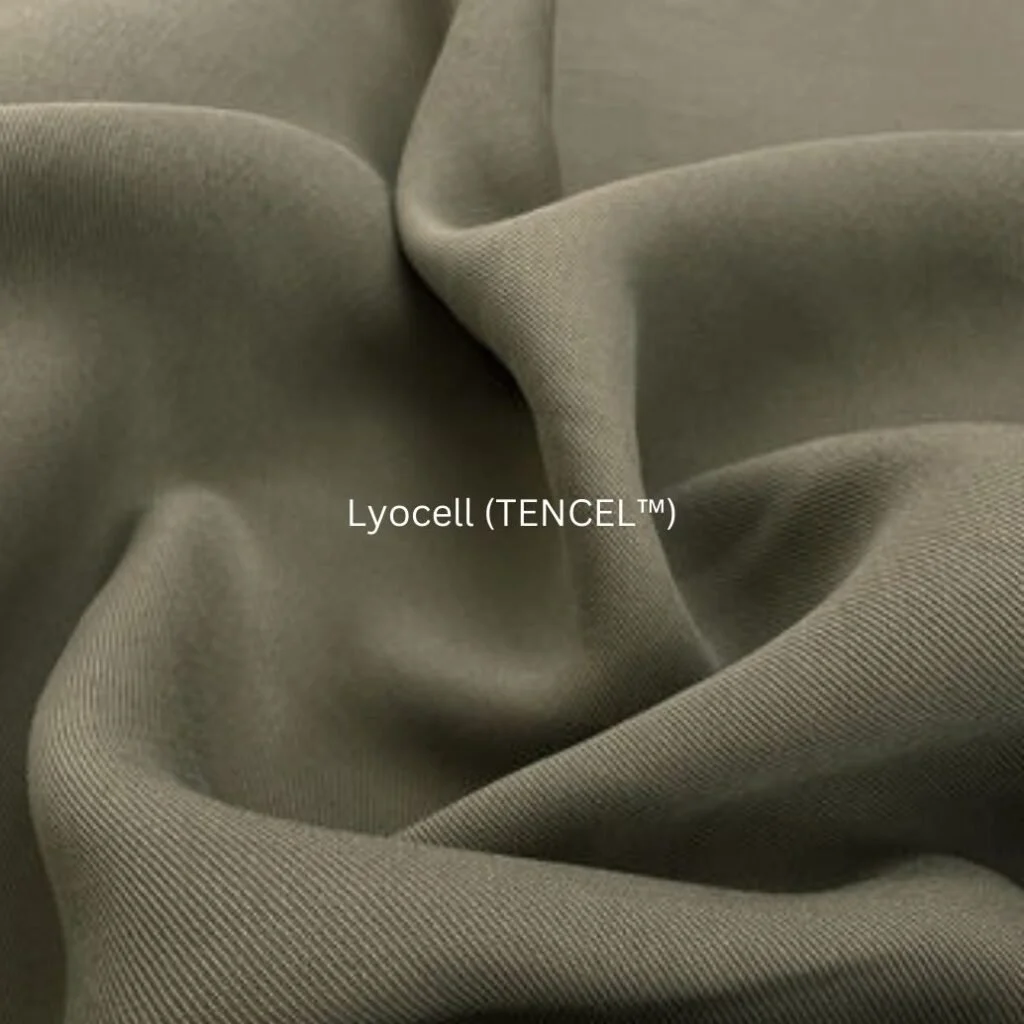
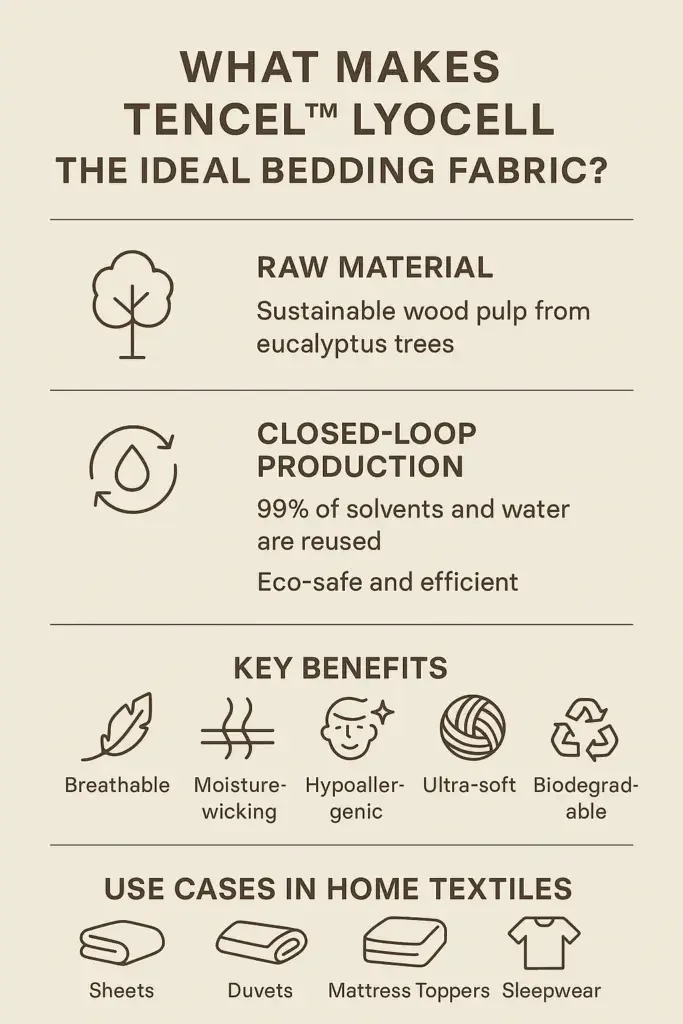
The two regenerated fibers that earn a place in a clean wardrobe are Tencel and lyocell, both produced in a closed-loop process by an Austrian company called Lenzing. The closed-loop manufacturing recovers and recycles ninety-nine percent of the solvent used to dissolve the cellulose. This is not marketing language. It is a documented industrial process.
The regenerated fibers to approach carefully are viscose and rayon — particularly from manufacturers who do not disclose their processing method. The fiber itself is biodegradable. The chemistry that produced it may not be.
What to look for on the label: Tencel, lyocell, FSC-certified viscose.
Category 03 — Synthetic Fibers
Synthetic fibers are derived from petroleum. They include polyester, nylon, acrylic, polyurethane, and the elastane fibers known as spandex or Lycra.
This is the category that requires the most clarity.
Synthetic fibers are not categorically harmful in the way that ingested petroleum products are. But they shed microplastics — tiny fragments of plastic that enter the air, water, and bloodstream — every time they are worn, washed, or moved against another fabric. A single load of synthetic laundry sheds an estimated seven hundred thousand microfibers into the water supply. Microplastics have been detected in human blood, lung tissue, placental tissue, and breast milk.
Synthetic fibers also retain chemical finishes more aggressively than natural fibers. Stain repellents, water repellents, wrinkle-resistant finishes, anti-static treatments, and anti-microbial coatings often contain perfluoroalkyl substances — PFAS — known as forever chemicals. PFAS have been linked to endocrine disruption, thyroid dysfunction, immune suppression, and increased cancer risk.
Synthetic fibers have a place. Performance athletic wear, technical outerwear, swimwear, and certain hosiery are functionally difficult to produce in natural fibers. The conversation is not about elimination. It is about disclosure, frequency, and informed choice.
What the label rarely tells you: Whether the fabric has been treated with PFAS, formaldehyde finishes, or other chemical coatings. The fiber composition is required by law. The chemistry on top of the fiber is not.
Category 04 — Blended Fibers
Blended fibers are the category that requires the most caution — and the one that dominates the fast fashion market.
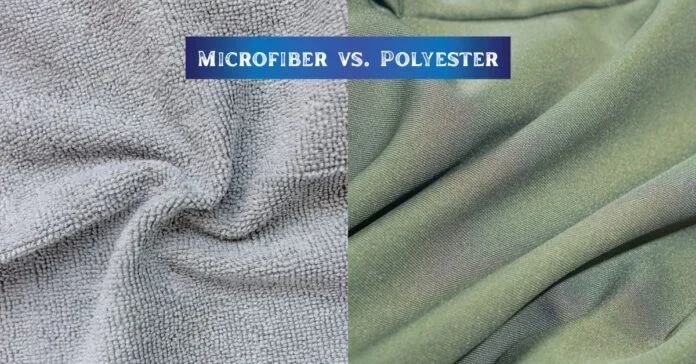
A blend is a fabric that combines two or more fibers in a single yarn. The label will read something like 60% cotton, 35% polyester, 5% elastane. On the surface this looks like a cotton garment. In reality, it is a synthetic garment that has been softened with a natural fiber.
The problem with blends is not the chemistry of the individual fibers. The problem is that blended fabrics cannot be recycled. Mechanical recycling requires fiber separation, which is industrially impossible for most blends. A pure wool sweater can be recycled into another wool product. A wool-acrylic blend cannot.
Blends are also engineered for the production economics of fast fashion. A garment is cheaper to manufacture if elastane is added because it forgives sizing imprecision on the factory floor. A garment is cheaper to ship if it is made of synthetic because synthetic is lighter. A garment is cheaper to market if a small amount of natural fiber is included on the label, because natural fiber on the label allows certain claims that pure synthetic does not.
The most common deceptive blends to watch for are: cotton blended with polyester or elastane, wool blended with acrylic, and silk blended with rayon or polyester. Each one looks like the natural fiber on the front and behaves like the synthetic underneath.
What to look for on the label: Single-fiber composition wherever possible. When blends are unavoidable, look for natural-natural blends — wool and silk, linen and cotton, organic cotton and Tencel.
The Rule
Read the back of the label before the front of the price tag.
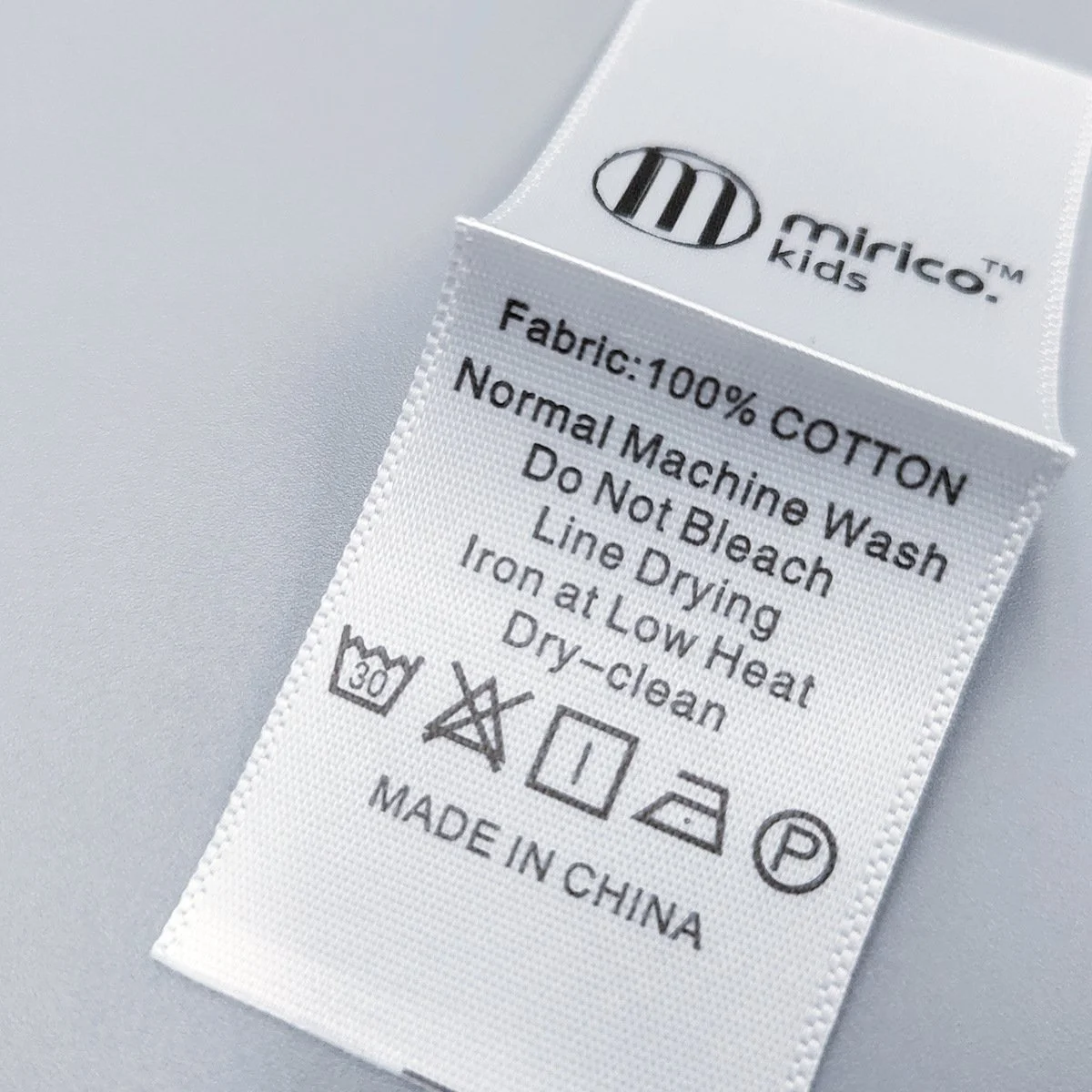
The brand name does not tell you what the fabric is doing to your skin. The price does not tell you what the fabric is doing to your skin. The marketing copy on the hangtag — sustainable, ethically made, consciously crafted — does not tell you what the fabric is doing to your skin.
The composition tag does.
It is the closest thing the fashion industry has to a nutrition label, and most women have never read one closely enough to know what is sewn into the inside of their own clothes.
The Most Common Mistakes
Buying organic cotton in a blend. Trusting eco or sustainable hangtags without checking the composition. Assuming neutral colors mean clean dyes. Assuming expensive means clean.
Composition is the only fact the label is required to disclose. Everything else is marketing.
What This Guide Replaces
The instinct to trust the front of the tag. The assumption that sustainable fashion is a regulated term. The belief that synthetic fabrics are aesthetically equivalent to natural ones — they are not, and the body knows it before the eye does.
Once a reader can identify which category a fabric belongs to, she can make an informed decision about whether the garment earns its place against her skin for the next several years.
The composition tag is the most under-read sentence in your closet. It is also the only one telling you the truth.
The full Cléco-approved brand and material directory will soon be available in the Cléco Intelligence app. Until then, sign up for guide access at clecoofficial.com to be the first to receive it.
