Why Every Luxury Brand Is Dressing Like It's 1999 Again
Category: Fashion Intelligence
Reading Time: 4 minutes
Best For: Fashion enthusiasts, luxury shoppers, and anyone curious about the next chapter of modern style.
From Prada to Miu Miu and Saint Laurent, fashion's obsession with minimalism, tailoring, and '90s silhouettes isn't nostalgia—it's strategy.
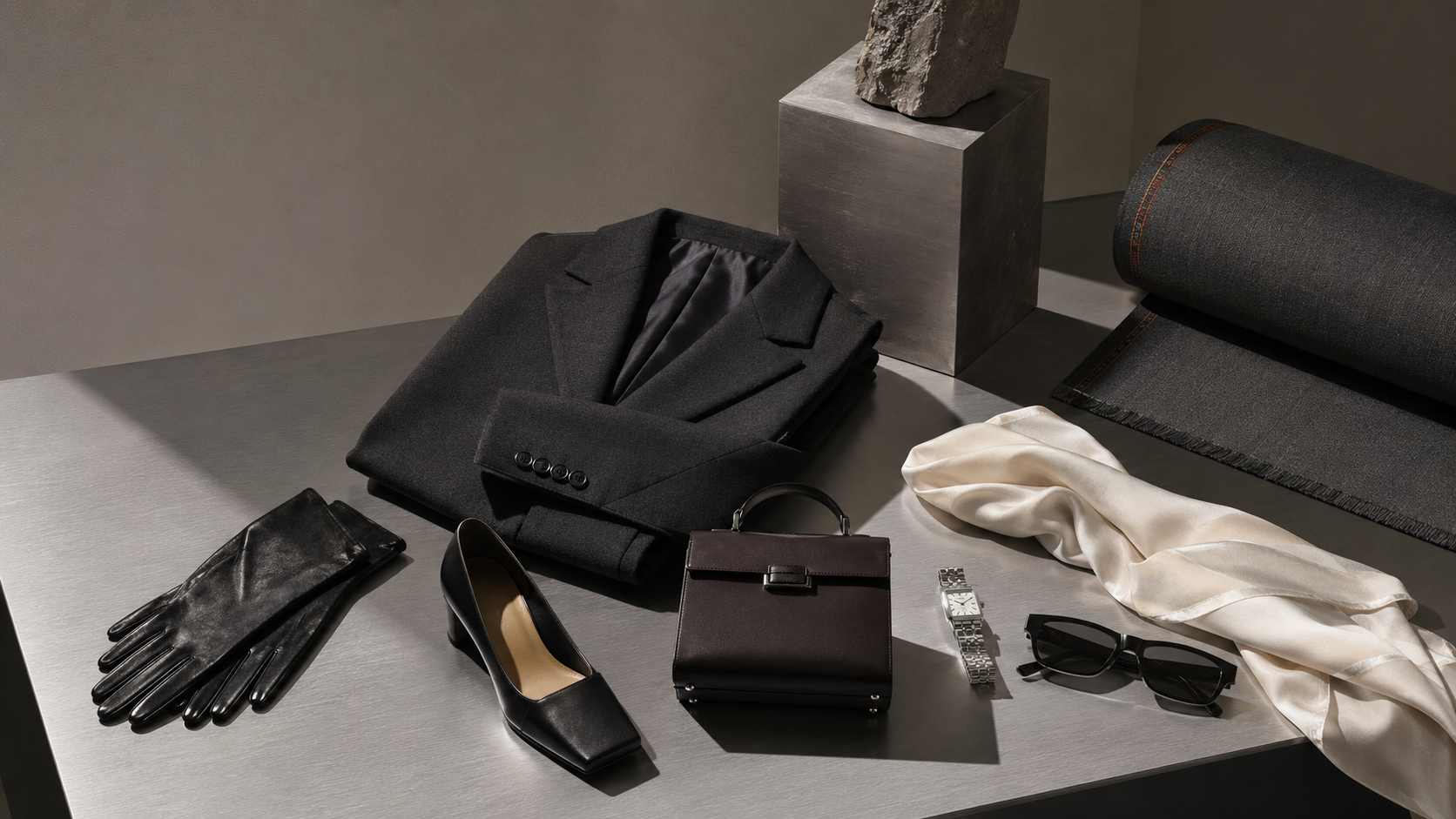
There is a noticeable shift happening on luxury runways. The oversized logos, maximalist prints, and streetwear influences that defined much of the last decade are quietly giving way to something more restrained. Tailored blazers, elongated coats, pencil skirts, sleek leather, square-toed shoes, and minimalist handbags are becoming the visual language of luxury once again.
At first glance, it looks like fashion is simply revisiting the late 1990s.
But that's only part of the story.
Today's biggest fashion houses aren't recreating the past—they're responding to the future.
The Return of Quiet Confidence
Luxury has always evolved alongside the economy and culture. During periods of uncertainty, consumers often move toward timeless pieces that feel versatile, well made, and less trend-driven.
Instead of chasing loud statements, brands are investing in clothing designed to outlast a single season.
The result is a renewed appreciation for clean tailoring, premium materials, and silhouettes that feel quietly confident rather than instantly attention-grabbing.
The Houses Leading the Shift
Few brands have influenced this movement more than Prada, Miu Miu, and Saint Laurent.
Prada continues to refine everyday essentials through architectural tailoring and understated luxury.
Miu Miu has reimagined preppy dressing, turning pleated skirts, knitwear, loafers, and refined basics into some of fashion's most copied looks.
Saint Laurent remains committed to razor-sharp suiting, monochromatic palettes, and elongated silhouettes that echo the effortless sophistication of the late '90s.
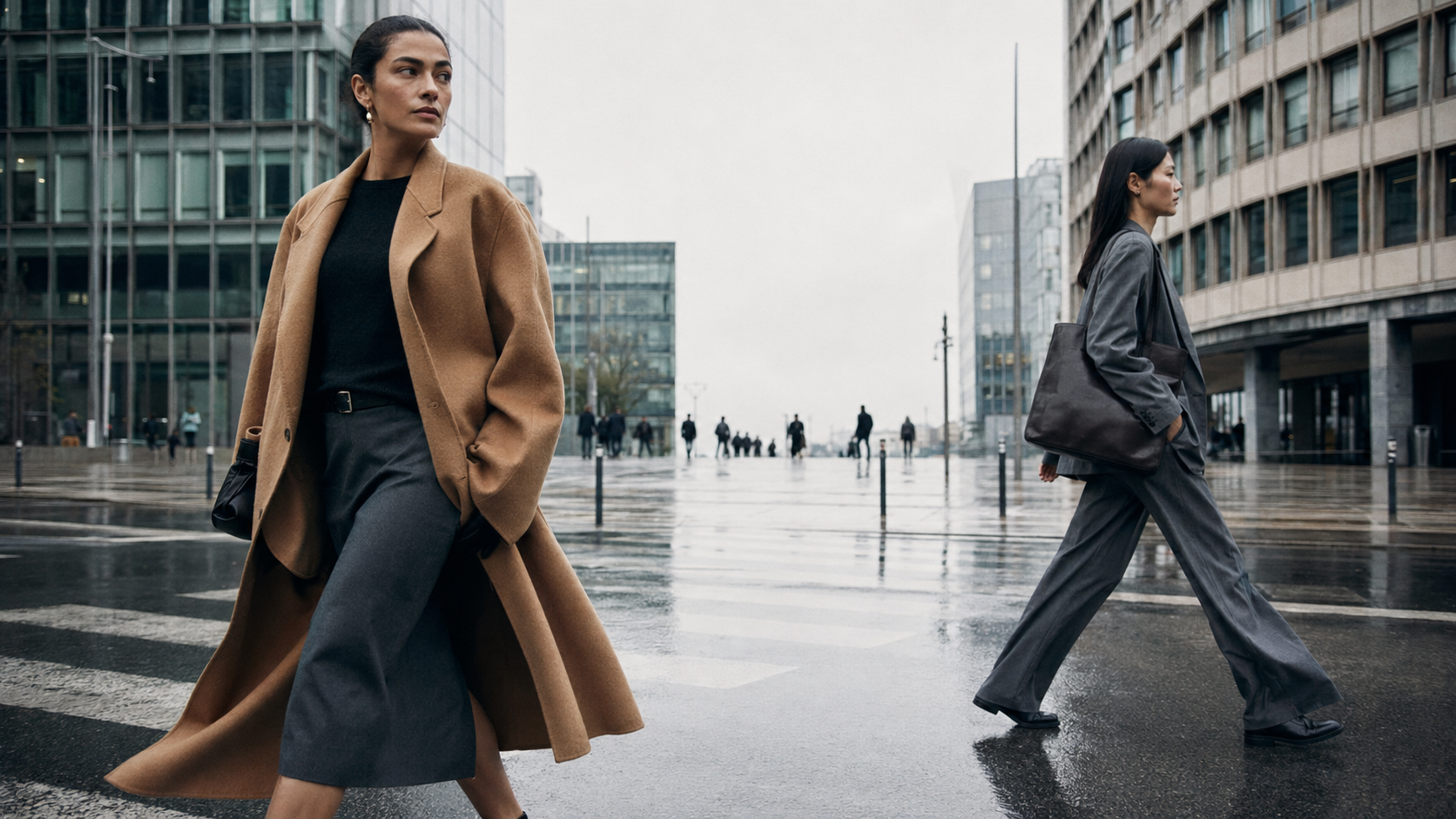
While each house has its own identity, they share one common message:
Luxury no longer needs to shout.
Why the '90s?
The 1990s represented an era of simplicity after decades of excess. Designers embraced clean lines, impeccable tailoring, and clothing that allowed craftsmanship to speak for itself.
Today's designers are revisiting those principles—not because they're nostalgic, but because modern consumers have changed.
Shoppers are asking different questions:
Will I still wear this in five years?
Is it versatile?
Is it well constructed?
Does it feel timeless rather than trendy?
These questions naturally favor classic design over fast-moving trends.
Fashion Week Is Reflecting a Broader Shift
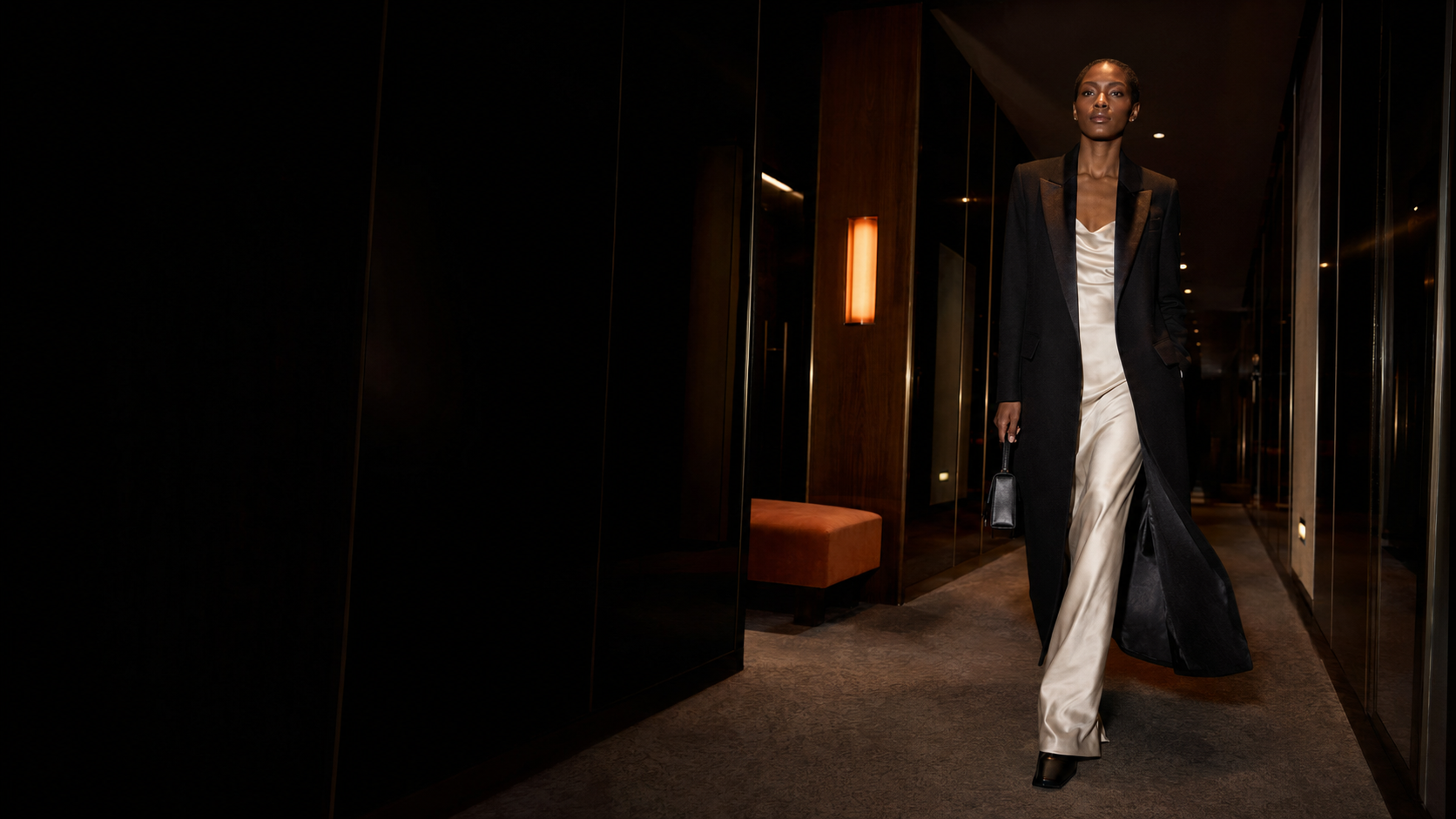
Across recent Fashion Weeks, collections have consistently emphasized:
• Relaxed tailoring
• Rich textures over loud prints
• Neutral color palettes
• Sculptural outerwear
• Investment accessories
• Elevated everyday dressing
The focus is no longer on wearing the most noticeable outfit in the room.
It's about wearing the one with the strongest design.
The Clèco Perspective
What we're seeing isn't simply the return of 1999.
It's the rise of intentional dressing.
As consumers become more thoughtful about what they buy, luxury brands are responding by building collections around longevity rather than novelty.
Fashion has always reflected culture. Right now, culture is asking for quality, versatility, and craftsmanship over constant consumption.
The future of luxury may look familiar—but it's being worn for entirely different reasons.
