From Zara to COS: When Is It Worth Tailoring Cheap Clothes?
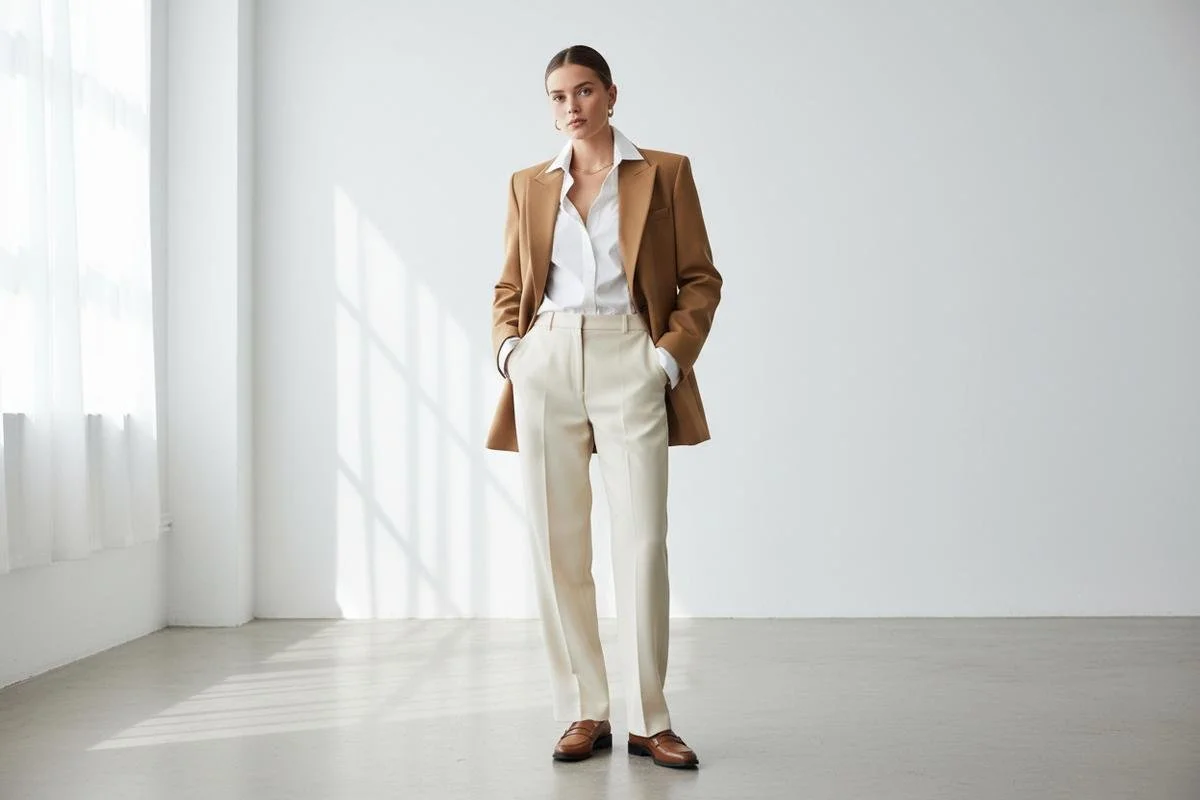
The price tag isn't always the best measure of a garment's value. Here's how to decide whether an alteration is worth the investment.
A $40 pair of trousers from Zara might look better than a $200 pair if the fit is right. But would you spend another $30 tailoring them?
The answer depends less on what you paid and more on what you're working with.
The rule is simple: Good fabric, sound construction, and a small adjustment are usually worth considering. Poor quality and major alterations aren't.
First, Check the Fabric
Before paying for alterations, examine the garment.
Does the fabric hold its shape? Are the seams secure? Does it hang naturally, or does it twist and pull?
A well-constructed piece from COS or Uniqlo may be a good candidate for tailoring, but the brand name alone doesn't guarantee quality.
If the fabric is already pilling, thinning, or losing its shape, a tailor won't solve the underlying problem.
Clèco tip: Turn the garment inside out. Uneven stitching, loose seams, and insufficient seam allowance can reveal limitations before you spend money.
Which Alterations Are Worth Paying For?
The simplest fixes often make the biggest difference.
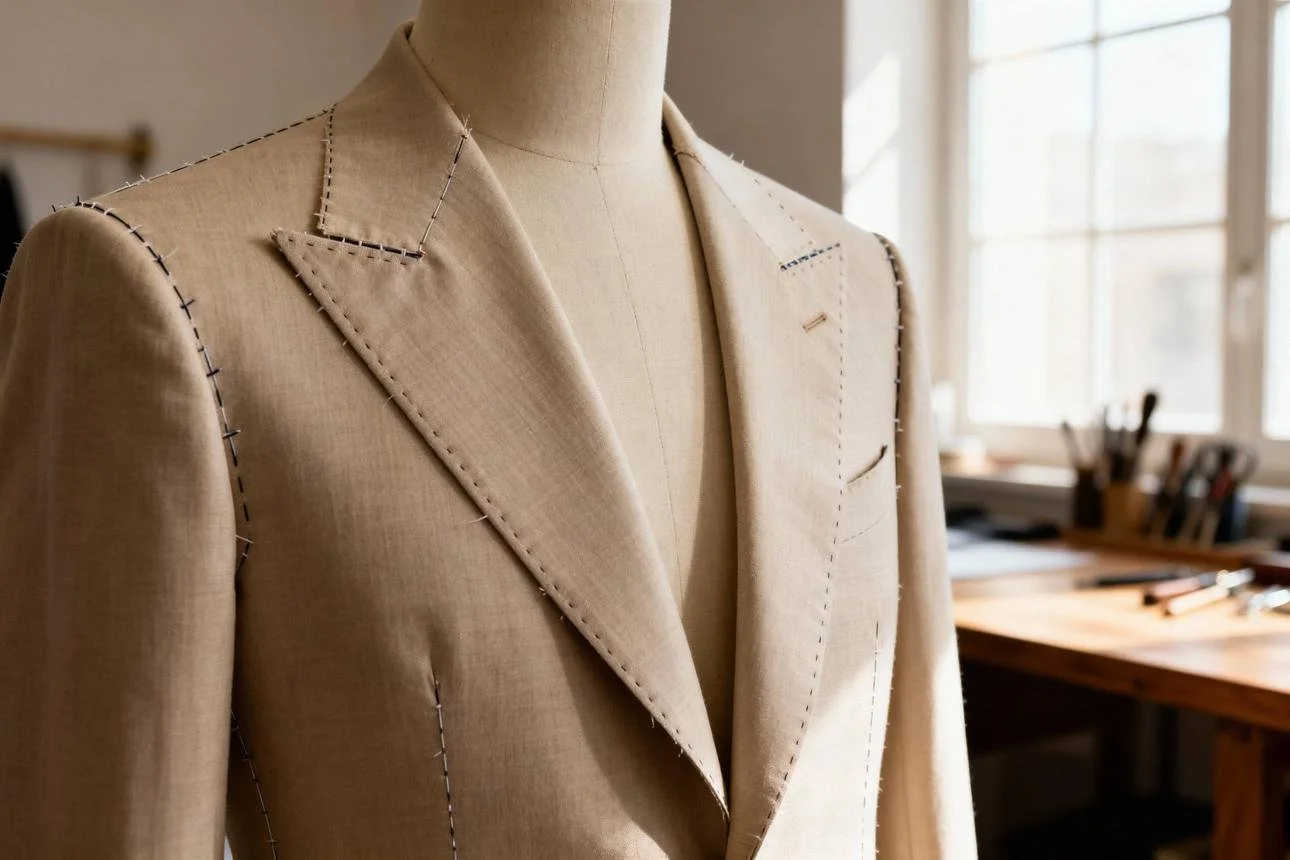
Trouser hems: Shortening trousers can immediately improve their proportions.
Waist adjustments: Taking in a loose waistband can make trousers or skirts fit more comfortably.
Sleeve shortening: A small adjustment can make a shirt or jacket look more intentional, although lined jackets may cost more.
Simple side seams: Taking in a slightly oversized dress or shirt can refine its silhouette.
More complicated alterations, including restructuring shoulders or changing a trouser rise, can quickly become expensive.
How Much Should You Spend?
According to pricing guidance from Alterations Express, basic trouser hems may cost approximately $15–$35, while waistband adjustments can cost around $20–$50. Prices vary by garment, tailor, and location.
Here's a practical example.
You buy trousers for $35. Hemming costs $20. Your total investment is now $55.
Ask yourself: Would I still buy these trousers for $55 if they fit perfectly?
If you'd wear them regularly, the answer may be yes.
A $55 pair worn 50 times costs $1.10 per wear before maintenance. A $30 pair worn only three times costs $10 per wear.
The cheaper purchase isn't necessarily the better value.
Can You Tailor Fast Fashion?
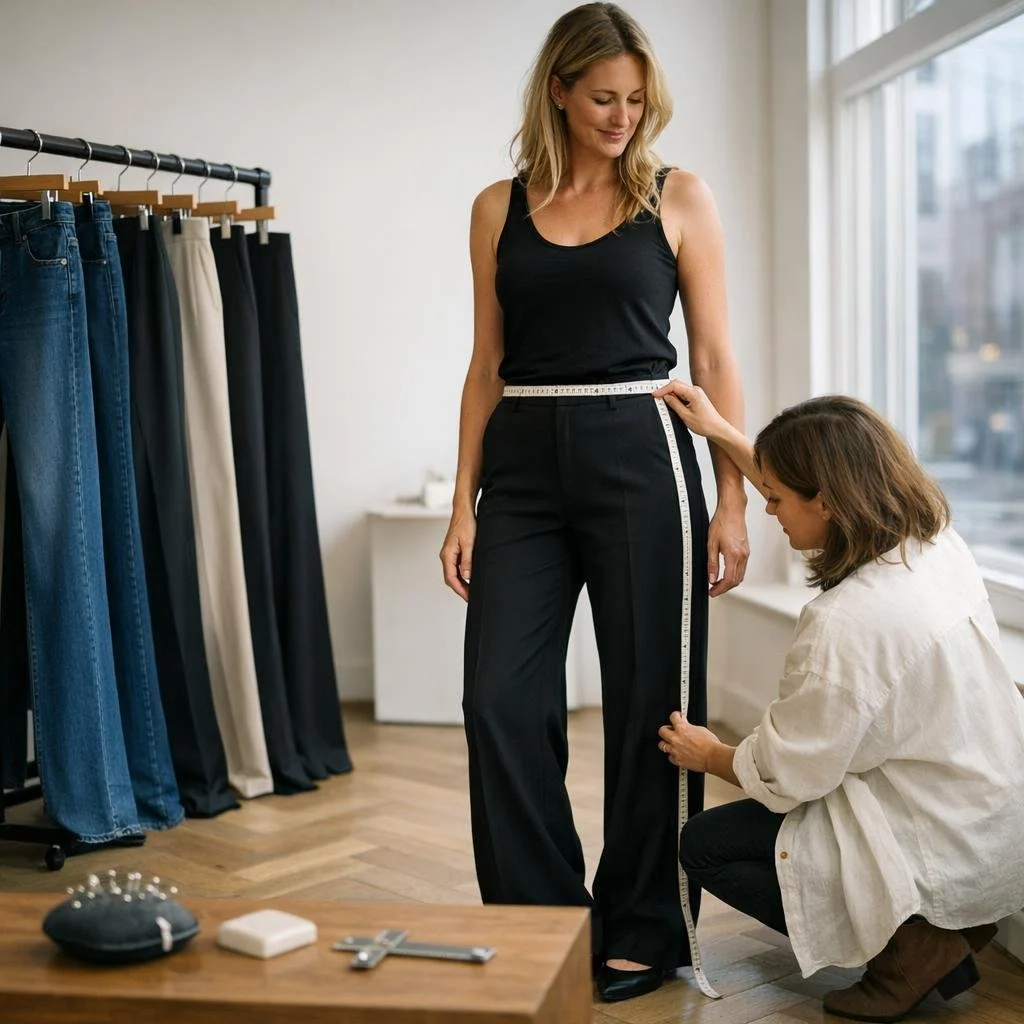
Absolutely. Clothing from Zara, H&M, or other accessible retailers can be altered successfully when the fabric and construction allow it.
But tailoring improves fit, not necessarily quality.
A tailor cannot strengthen deteriorating fabric, reverse extensive pilling, or easily correct every structural problem.
And if a garment needs changes to the shoulders, waist, sleeves, and length, you may be better off finding something that fits from the beginning.
The Clèco Three-Question Rule
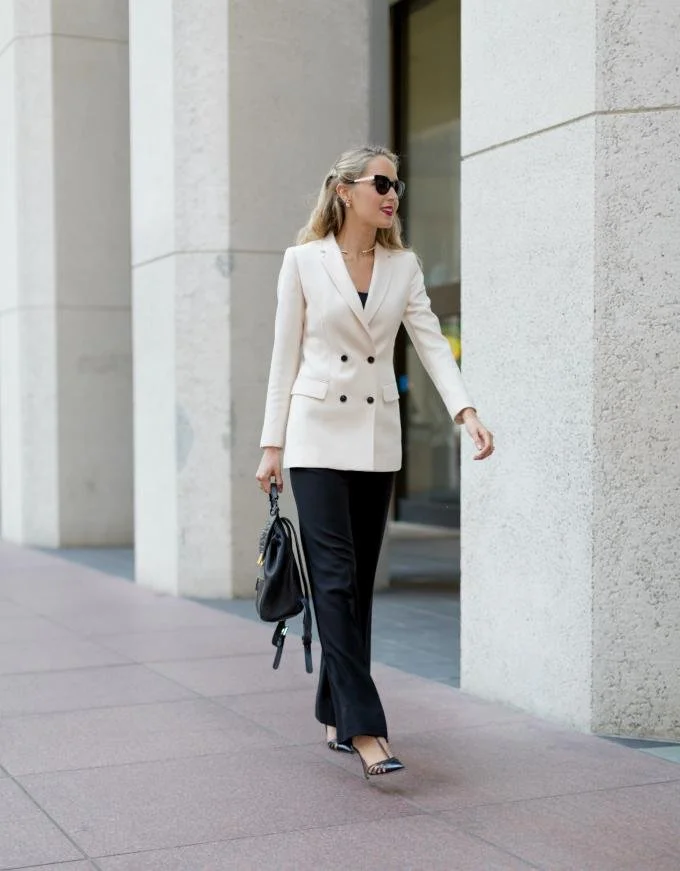
Before taking anything to a tailor, ask:
1. Is the fabric worth keeping? Look for durable material and secure construction.
2. Is the alteration straightforward? Hemming and modest adjustments are generally more economical than reconstruction.
3. Would I buy it at the final price? Add the purchase price and alteration cost, then consider how often you'll wear it.
If all three answers are yes, the garment is probably worth taking in for a quote.
The Takeaway
A considered wardrobe doesn't require every piece to be expensive. It requires knowing which pieces deserve your money.
Sometimes, spending $20 to improve something you already own is smarter than buying something new. Other times, walking away is the better investment.
Buy for the fabric. Tailor for the fit. Keep for the wear.
