The Fashion House That Finally Choose Creativity Over Cruelty, And the London Startup That Made It Possible
There is a moment in fashion, rare, real, worth paying attention to, when innovation and values arrive at the same time. When something beautiful appears that does not require you to look away from how it was made.
That moment happened on a Paris runway in September 2025. And the material that caused it doesn't even have a full commercial product yet.
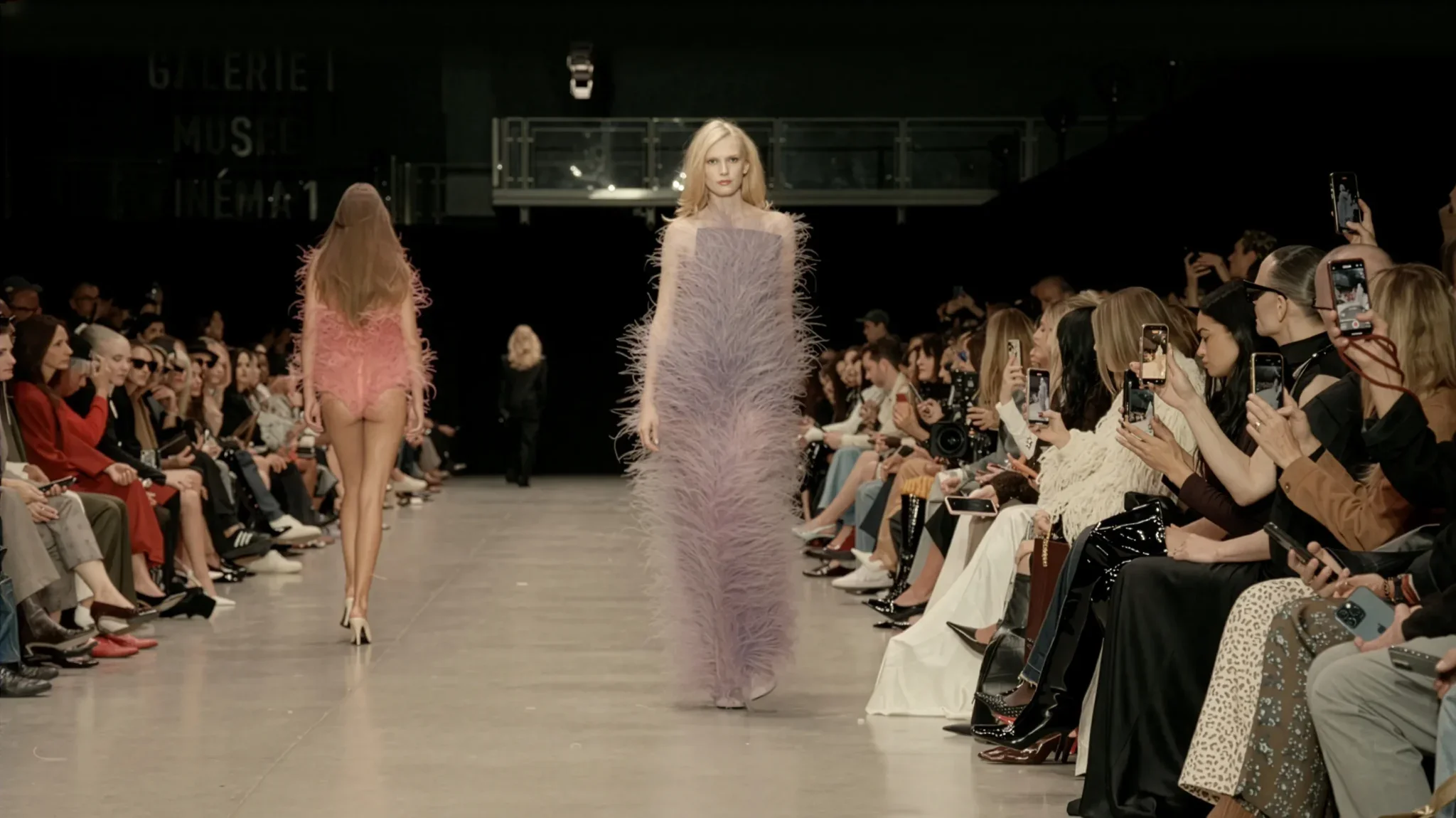
This is the story of Stella McCartney, a London startup called FEVVERS, and what happened when the world's most principled luxury designer found the collaborator she had been waiting for.
Fashion's Feather Problem
The global feather clothing market is worth $12.47 billion and growing. Behind that number is a supply chain most of the industry would prefer you didn't look at too closely. The most prized feathers in fashion — ostrich plumes especially — are obtained through live plucking or slaughter. Animal welfare organizations have documented the process. The conclusions are not ambiguous.
Consumer awareness is catching up to the reality. Over 70% of global consumers now prefer products with animal welfare certifications. Demand for ethically certified alternatives has grown 35% year on year. The market for a genuine feather alternative was not just ethical. It was inevitable.
What was missing was the innovation to match the intention.
Stella McCartney: 25 Years of Not Waiting
The Brand
Stella McCartney launched her label in London in 2001 with a founding commitment that has never softened: no leather, no fur, no feathers, no animal-derived materials — ever. Not as a capsule collection. Not as a sustainability line alongside a standard one. As the permanent foundation of everything the brand makes.
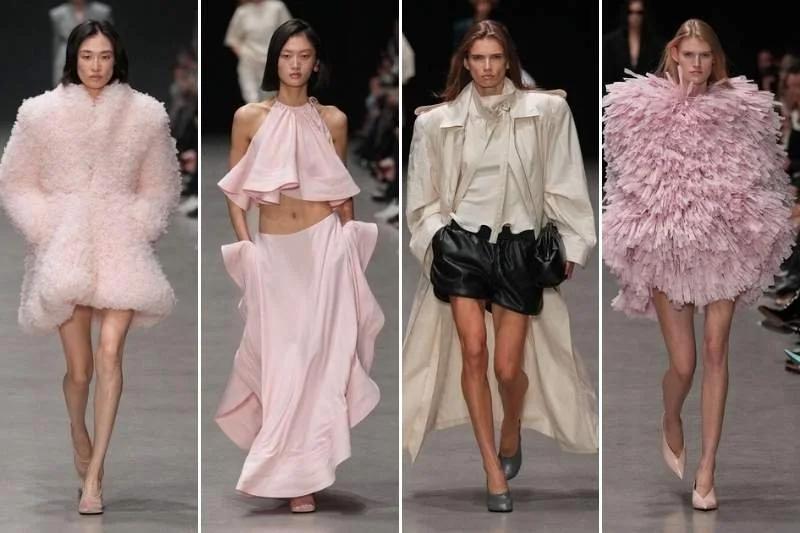
While most brands' sustainable efforts represent a fraction of their total output, McCartney has applied the same standard to 100% of her collections from day one — investing in mycelium leather, plant-based sequins, apple waste leather alternatives, and yeast fermentation knitwear along the way.
The Recognition
Her commitment has earned recognition at the highest levels. Her Winter 2025 collection used 96% sustainable materials. In January 2025, she repurchased LVMH's 49% minority stake in her house, returning to full independence. Two days after her Fall 2026 Paris show, French President Emmanuel Macron awarded her the Légion d'Honneur — France's highest civilian distinction — for her contributions to fashion, sustainability, and animal welfare. TIME named her a 2026 Earth Award honoree. King Charles III named her an ambassador of his Sustainable Markets Initiative.
These are not fashion accolades. They are the recognitions of someone who spent 25 years proving an industry wrong.
What Is FEVVERS?
The Company
FEVVERS is a materials innovation company based in London, England, co-founded by Nicola Woollon and James West. Their singular focus: develop a plant-based, vegan, cruelty-free alternative to feathers that delivers the same aesthetic — lightness, movement, drama, that unmistakable couture quality — without any animal involvement whatsoever.
The founders are clear that FEVVERS is not an imitation of feathers in the traditional sense. It is "not an imitation — but a new aesthetic altogether." Naturally dyed, plant-derived, and cruelty-free at every stage of production. Light, layered, full of movement — achieving its effect through innovation rather than replication.
Where It Stands
FEVVERS is currently at proof-of-concept stage and is not yet commercially available. The team is deep in development — refining strength, flexibility, and finish — and actively seeking creative directors, scientific collaborators, and ethical investors. Full details at fevvers.com.
The Summer 2026 Collection: Where It All Came Together
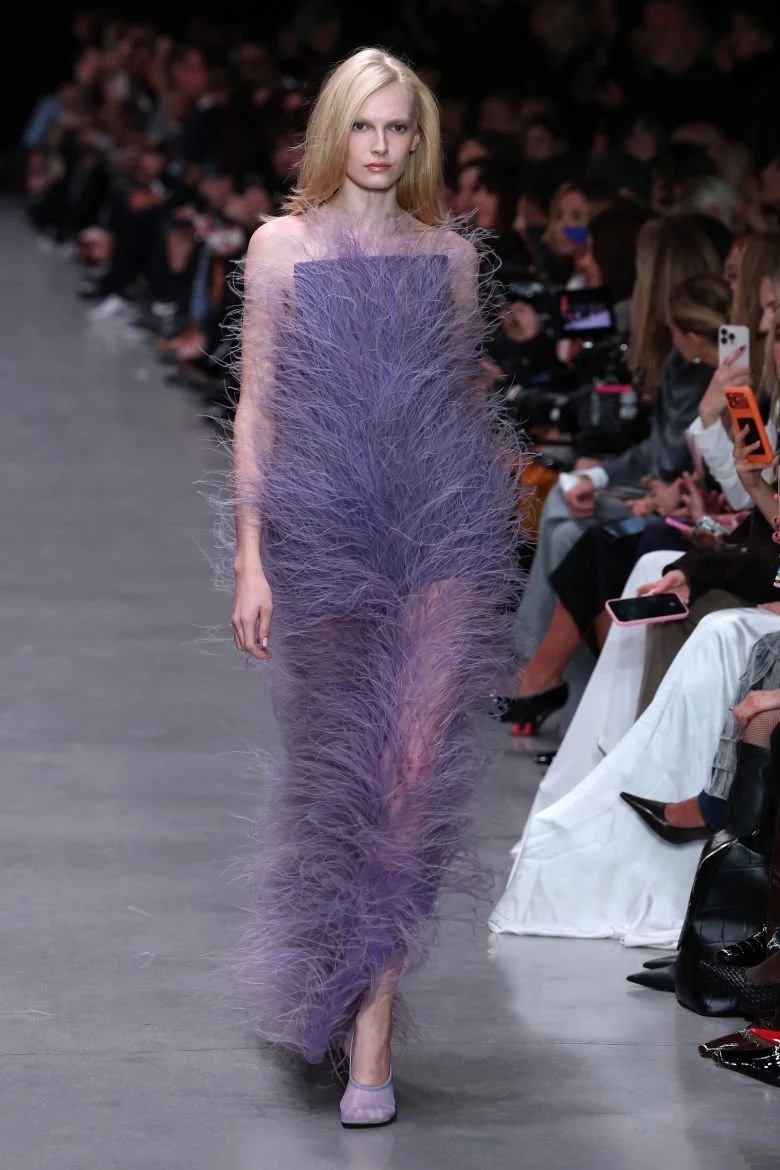
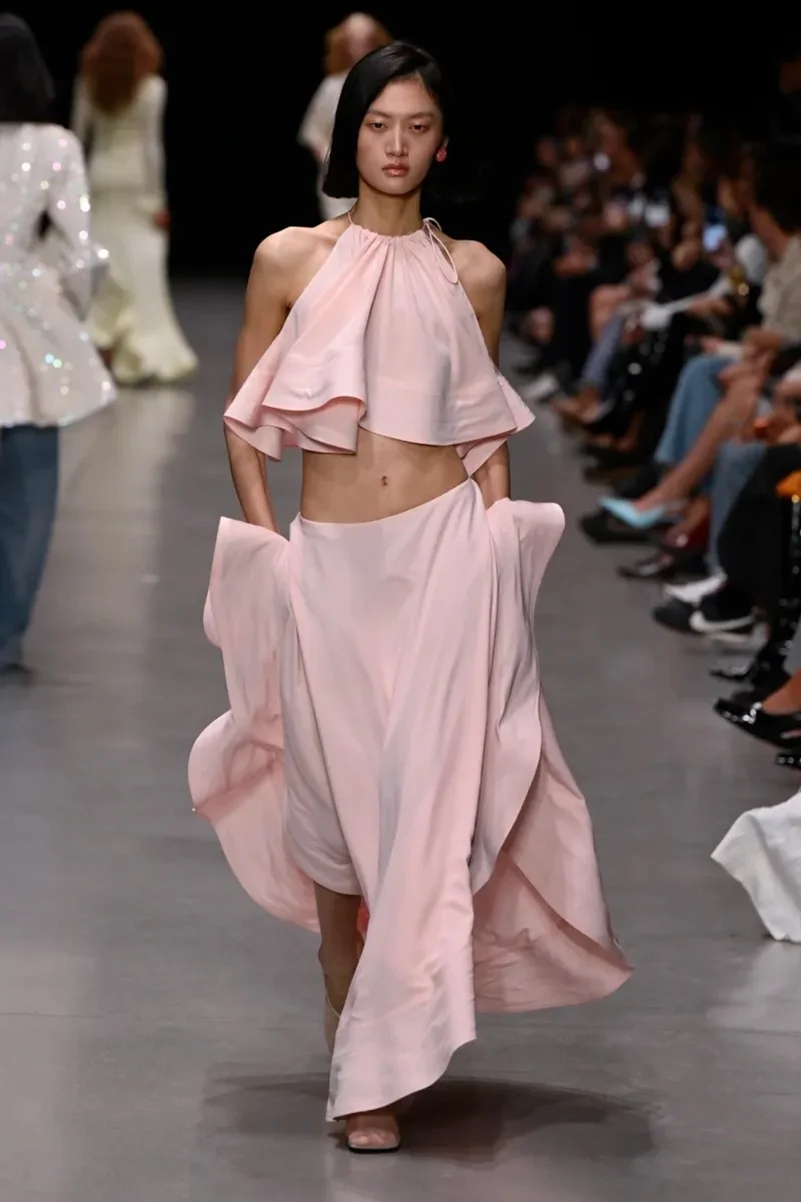
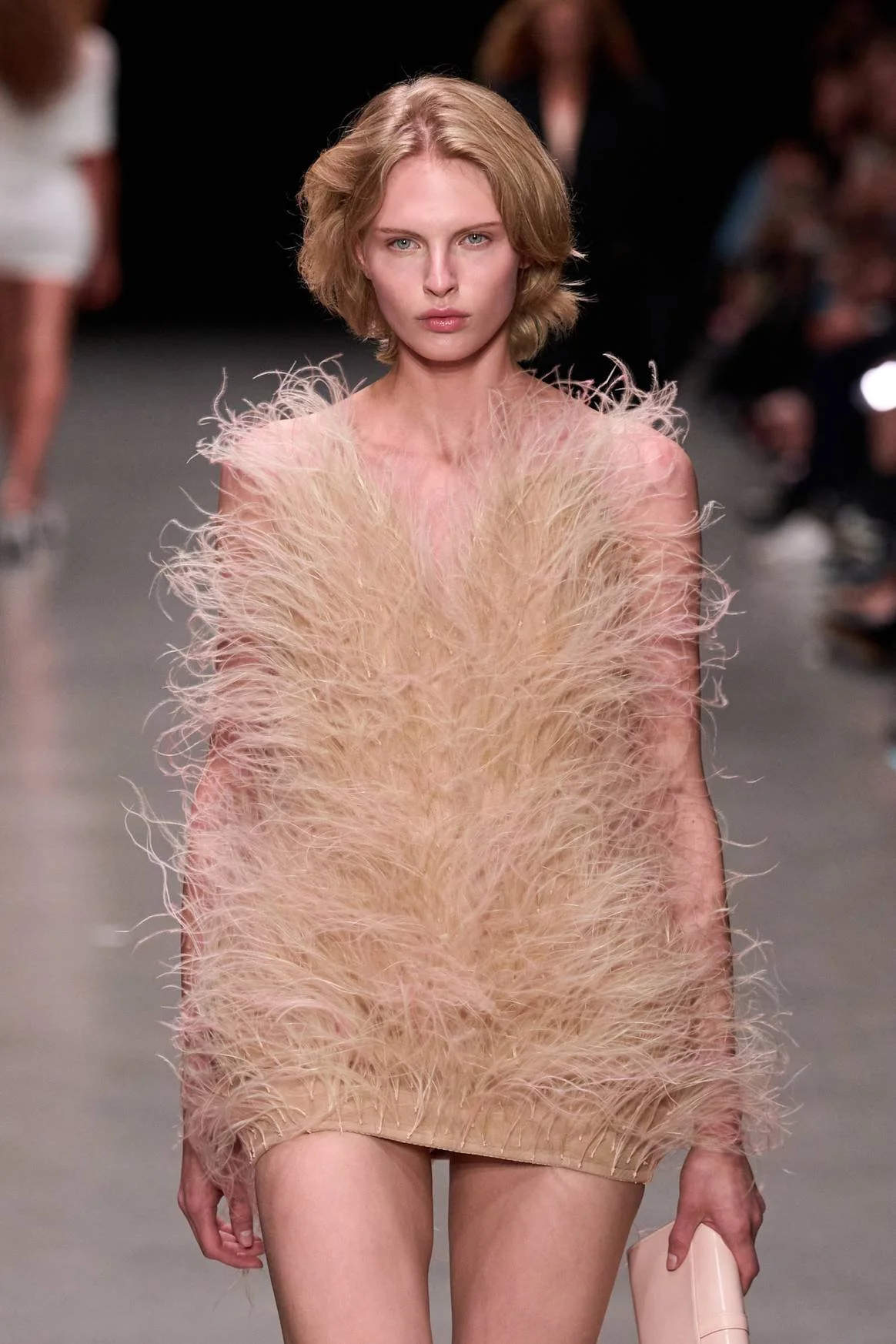
This is the collection that changed everything. At Stella McCartney's Spring/Summer 2026 show at Paris Fashion Week in September 2025, FEVVERS made its first public appearance — on one of the most photographed stages in global fashion.
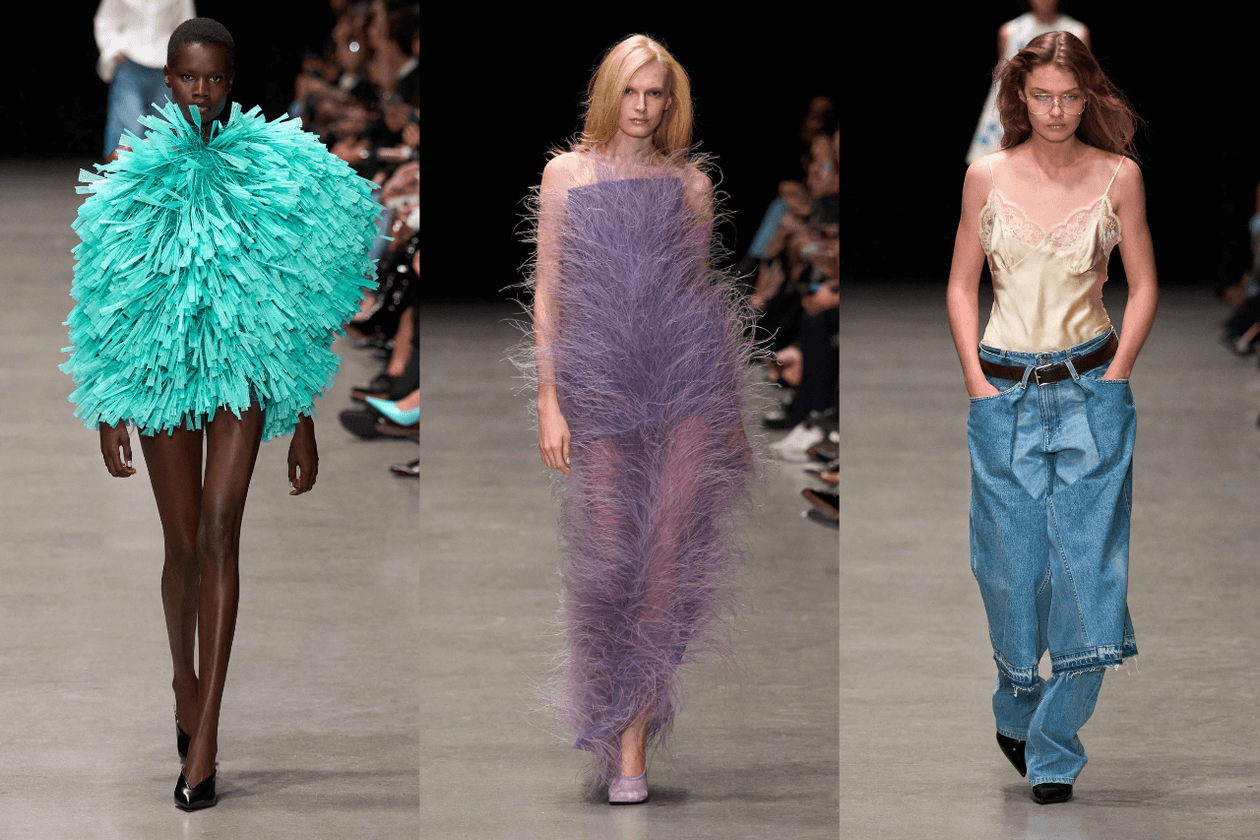
Corseted gowns and bodices came alive in soft, ethereal pastels — pink, lavender, ivory — each strand of FEVVERS animating the silhouette in the way feathers have always animated couture. The collection moved like something alive. The cameras could not stop.
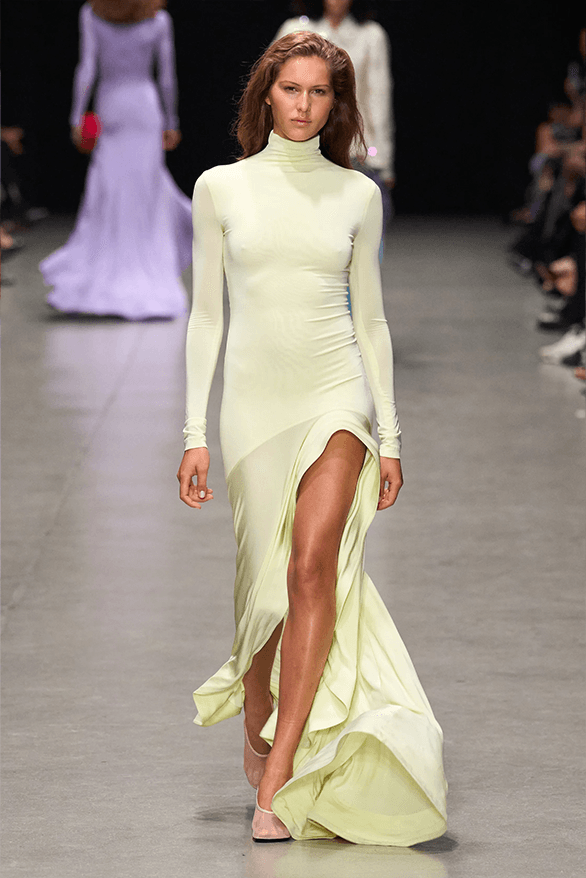
The collection was McCartney's most explicit proof yet that clean design does not mean quiet design. The FEVVERS pieces were among the most dramatic and most photographed of the entire Paris season — not because of what they said about sustainability, but because of how extraordinary they looked. The message landed because the beauty was undeniable first.
McCartney's own words carried 25 years of conviction behind them:
"Every season, we're told that birds' suffering is the price of fashion. I refuse to believe that. The innovation is just insanely beautiful, and we have created some of the most striking couture pieces I have ever seen. It's not only the world's first plant-based feather alternative, but it's also proof that brands who continue to use feathers are choosing cruelty over creativity."
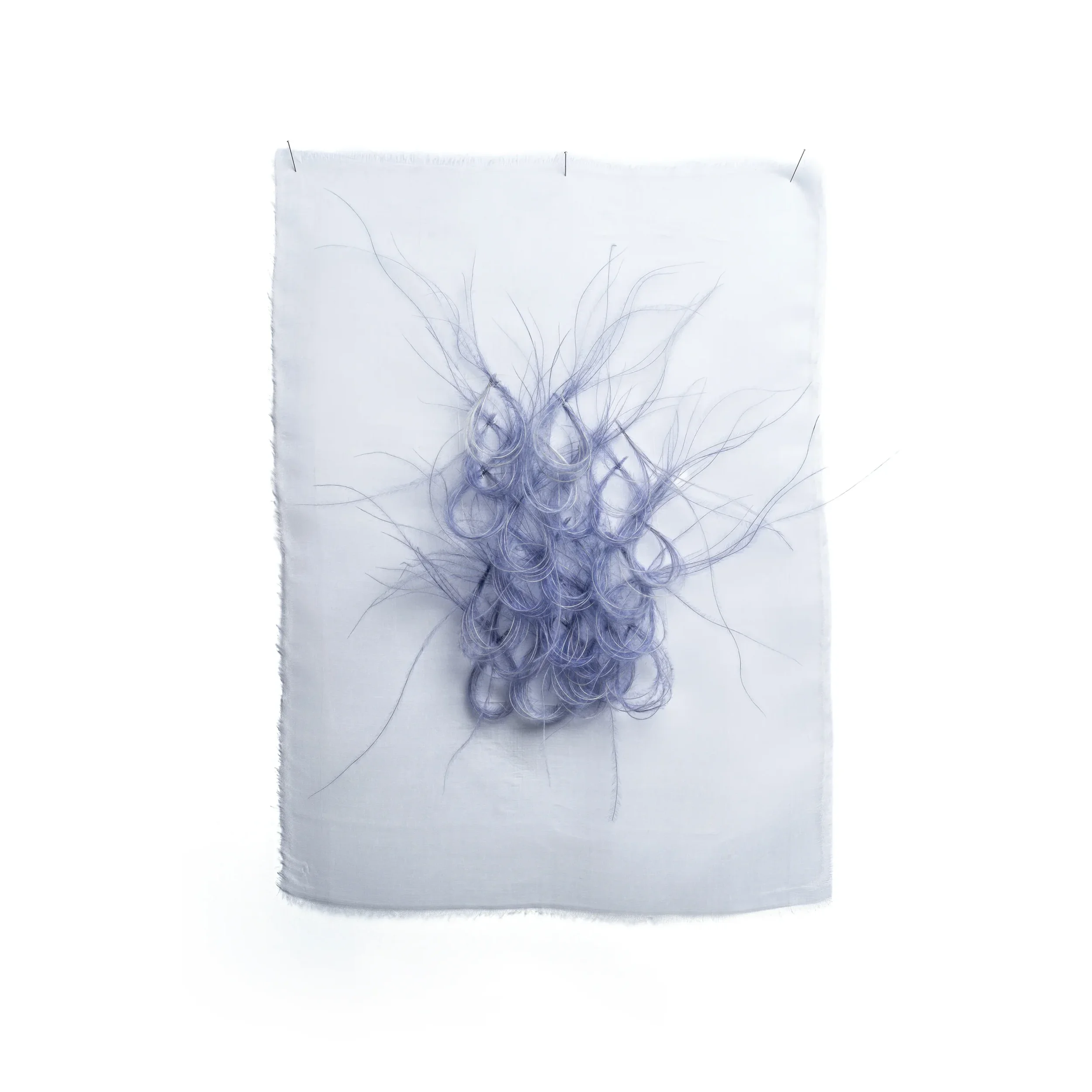
The industry response was immediate. According to co-founder James West: "It's put us on the map in a way that we couldn't have ever imagined. Nearly every leading name in fashion brands has been in touch."
For a startup still in development, that is the kind of signal that transforms a proof of concept into a category.
The Clean Living Takeaway
This story follows a recognizable pattern. An industry says a harmful practice is the price of something beautiful. Someone refuses to accept that, invests in the science, and finds a better way. Then the better way becomes the standard. It happened with clean beauty. It happened with non-toxic living. And now, on a Paris runway dressed in pink and lavender and ivory, it is happening in fashion too.
The regulatory environment is already moving in the same direction — NYFW banned animal fur from its official schedule beginning September 2026. Copenhagen Fashion Week banned feathers entirely. The question is no longer whether the industry will change. It is who will lead it.
Stella McCartney has been leading it for 25 years. FEVVERS just gave her the most beautiful proof she has ever had.
FEVVERS is a London-based materials innovation company co-founded by Nicola Woollon and James West. Learn more at fevvers.com or contact hello@fevvers.com.
Stella McCartney is a luxury fashion house founded in 2001, built on a permanent commitment to cruelty-free, leather-free, and sustainable design.

Frequently Asked Questions
What is FEVVERS? FEVVERS is the world's first plant-based, vegan alternative to feathers, developed by London-based Fevvers Ltd, co-founded by Nicola Woollon and James West. It is cruelty-free, naturally dyed, and plant-derived — designed to deliver the lightness and movement of feathers without harming animals.
Where did FEVVERS debut? FEVVERS debuted at Stella McCartney's Spring/Summer 2026 collection at Paris Fashion Week in September 2025, appearing in pink, lavender, and ivory on corseted gowns and bodices.
Is FEVVERS available to buy? Not yet. FEVVERS is still in development and is not commercially available. The Paris appearance was a proof of concept. Learn more at fevvers.com.
What makes Stella McCartney a clean fashion brand? Stella McCartney has used no leather, fur, or feathers since founding in 2001. Her Winter 2025 collection used 96% sustainable materials. She received the 2026 TIME Earth Award and France's Légion d'Honneur for her contributions to sustainable fashion.
Why are feathers considered cruel in fashion? Feathers — particularly ostrich plumes — are typically obtained through live plucking or by killing birds for their plumage. Over 70% of global consumers now prefer animal welfare-certified products. Copenhagen Fashion Week and NYFW have both moved to ban animal-derived materials from their official schedules.
