Cortisol Face Is Real — And Your Skincare Routine Can't Fix It Alone
You're using the right products. You're drinking your water. So why does your skin still look like it's exhausted?

There is a particular kind of skin frustration that no one talks about honestly. Not the kind that comes from neglect — you know that kind, and you know the fix. This is the other kind. The kind that happens when you are doing everything right. You have the serum. You have the SPF. You've cut back on sugar, you're getting your steps in, you even started using the silk pillowcase. And still — something is off. Your skin looks tired in a way that doesn't respond to products. Puffy in the morning, dull by afternoon. Less like you, somehow. More like a version of you that's been running too hard for too long.
That is not a skincare problem. That is a cortisol problem. And the beauty industry has been very slow to say so out loud.
What Cortisol Actually Does to Your Skin
Cortisol is your body's primary stress hormone. In short bursts, it's useful — it helps you respond to pressure, regulate your energy, and stay alert when you need to be. The problem is that most of us are no longer experiencing stress in short bursts. We're experiencing it as a permanent background condition. Low-grade, unrelenting, and invisible enough that we've stopped noticing it's there.
When cortisol stays elevated over time, it begins doing real, measurable damage to your skin. It activates enzymes that break down collagen and elastin — the proteins responsible for keeping your skin firm and supple. It disrupts your skin barrier, making it harder for your skin to retain moisture and protect itself. It increases oil production, which means breakouts. It drives inflammation, which means redness, dullness, and uneven texture. And it affects fluid balance in your tissues, which is why you wake up puffy in places that don't respond to eye cream.
This is what dermatologists are now calling cortisol face — not a medical diagnosis, but a real, visible pattern of skin changes driven by chronic stress. And it's spreading rapidly as a conversation because millions of women are recognizing themselves in the description.
The Part That's Harder to Hear
Here's what the skincare industry doesn't want you to know: no serum, no matter how expensive, can out-perform a chronically elevated stress response.
Your skin is not a separate system. It is directly connected to your nervous system, hormones, sleep quality, gut health, and emotional state. The skin and the brain actually develop from the same embryonic tissue, which is why a stressful week can trigger a breakout before the week is even over, and why grief can leave your complexion looking gray and flat for months. Your skin is not malfunctioning. It is accurately reporting what's happening inside.
This doesn't mean your skincare routine is pointless. It means that skincare alone was never the whole answer — and the brands selling you the whole answer knew that.
What Actually Helps
The good news is that cortisol face is responsive. When you address the cause, not just the symptoms, skin genuinely changes. Faster than you'd expect.
Sleep is not optional. This is the single highest-leverage thing you can do for your skin right now. Cortisol follows a daily rhythm; it should be highest in the morning and lowest at night. Chronic sleep disruption keeps it elevated around the clock, when the real damage accumulates. Eight hours is not a luxury. For your skin, it is infrastructure.
Regulate before you caffeinate. Reaching for coffee first thing in the morning spikes cortisol when it's already at its natural daily peak. Even a 20-minute delay — a walk outside, breakfast, some water, a few minutes of quiet — changes the hormonal pattern of your entire day. This one shift costs nothing.
Movement that lowers cortisol, not raises it. High-intensity exercise every day is not always the answer. For women dealing with chronic stress, intense daily workouts can actually keep cortisol elevated. Walking, yoga, Pilates, and swimming — moderate, consistent movement supports cortisol regulation rather than compounding it.
Feed your skin barrier from the inside. Omega-3 fatty acids, found in fatty fish, walnuts, and flaxseed, directly support skin barrier integrity. Antioxidant-rich foods — berries, leafy greens, green tea — combat the oxidative damage that stress creates at the cellular level. Protein at every meal stabilizes blood sugar, which stabilizes cortisol. This is not a diet. It is chemistry.
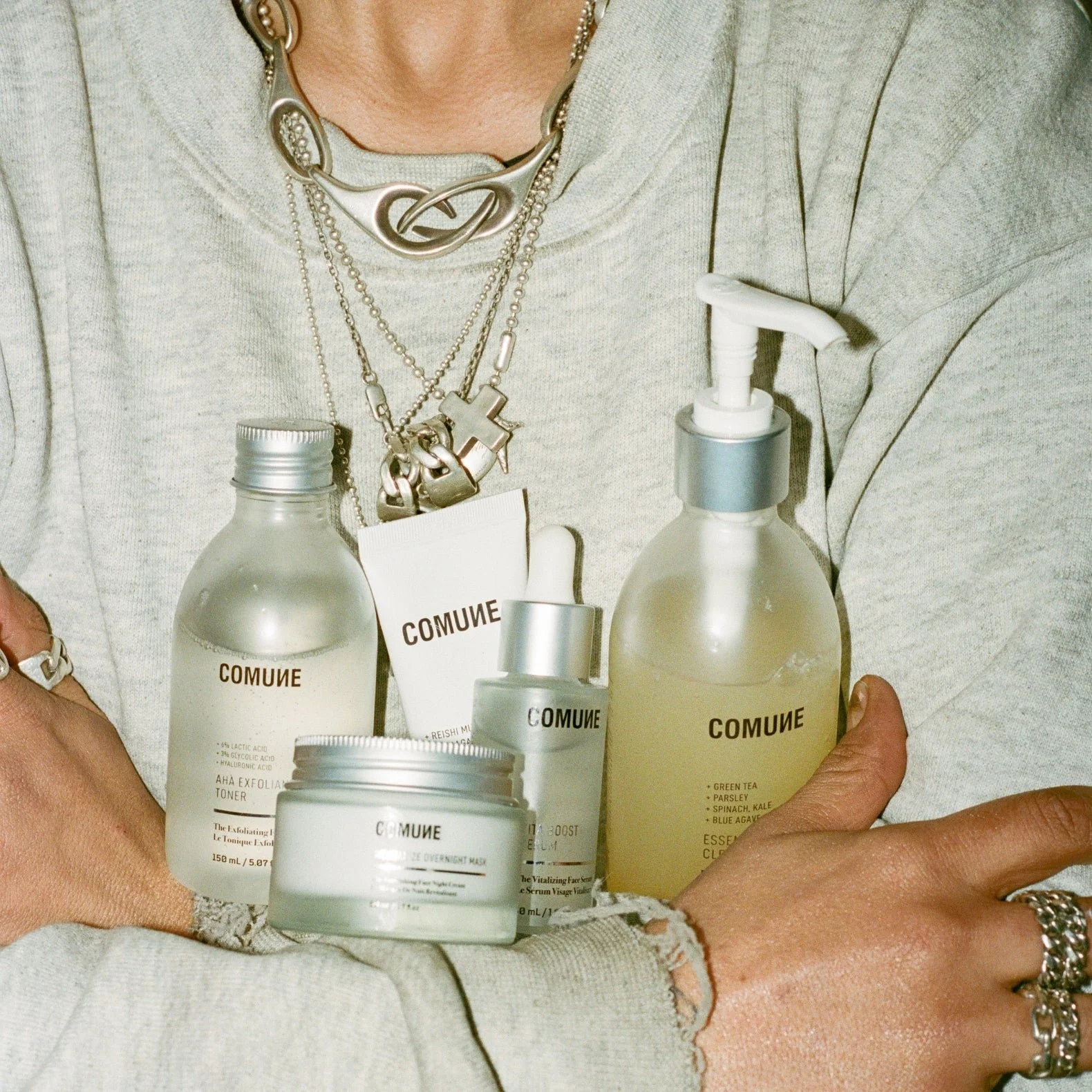
Adapt your skincare to support, not perform. When your skin is stressed, it needs barrier repair, not stimulation. This means backing off on actives during a difficult season — less retinol, less exfoliation — and leaning into ceramides, peptides, hyaluronic acid, and niacinamide. Give your skin permission to recover.
The Bigger Picture
Cortisol face is not a vanity issue. It is a signal. Your skin is telling you something your schedule won't admit: that the pace is unsustainable, that the recovery isn't happening, that something needs to change before you can topically treat your way out of it.
The most effective skincare routine in 2026 starts before you open a single bottle. It starts with sleep. With boundaries. With the slow morning instead of the urgent one. With the walk instead of the scroll. With treating your nervous system as the organ it is — the one your skin is directly downstream from.
You have been looking for the answer in the right place. You were just looking at the wrong layer.
The Cléco Edit — What's Actually Helping
Products that work with your cortisol, not around it.
For stress from the inside
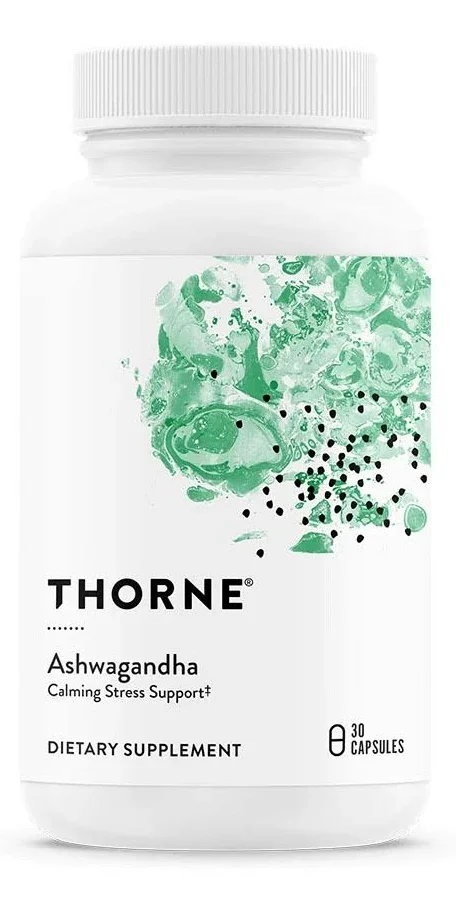
Ashwagandha — the most well-researched adaptogen for cortisol regulation. Look for a KSM-66, Sensoril extract, or similar standardized extracts — these are the forms with the strongest clinical evidence. Take it consistently for at least four weeks before assessing results.
Magnesium Glycinate — magnesium is depleted by chronic stress, and most people are already deficient. The glycinate form is the gentlest on digestion and crosses the blood-brain barrier, supporting both sleep quality and nervous system regulation. Take it in the evening.
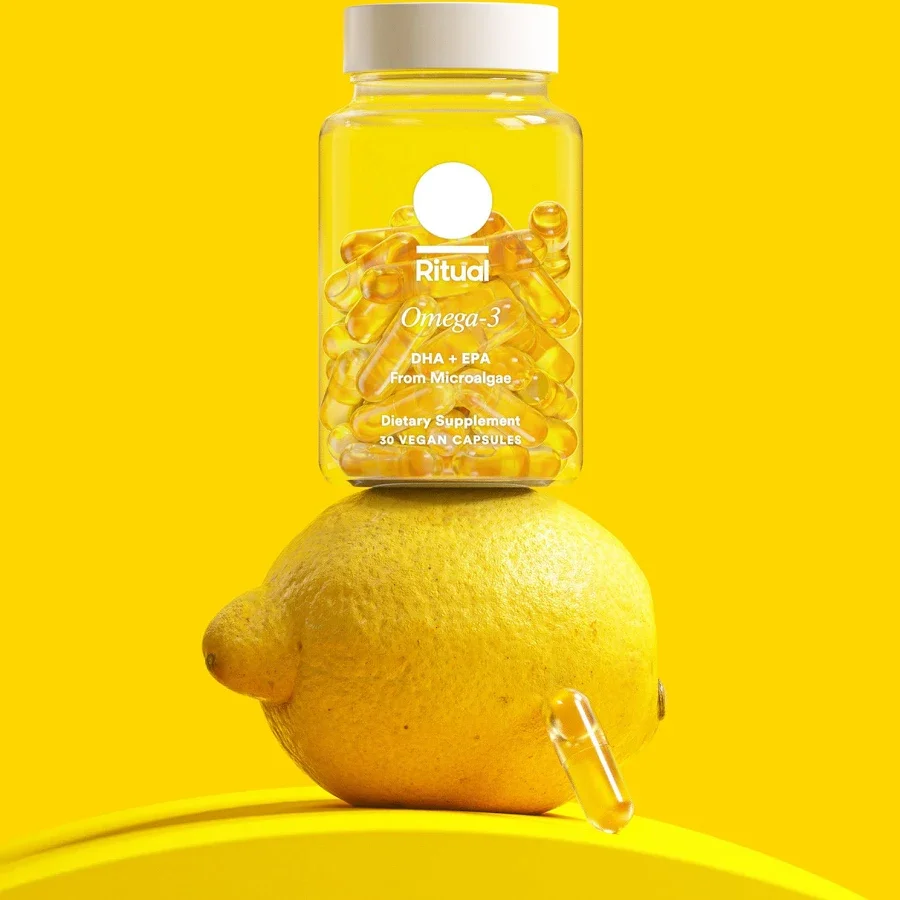
Omega-3 supplement — if your diet isn't consistently rich in fatty fish, an omega-3 supplement is one of the most direct investments you can make in your skin barrier. Look for a high-EPA formula from a clean, third-party tested source.
For the skin barrier itself
A ceramide-forward moisturizer — when cortisol is high, your barrier is compromised. Ceramides are the lipids your skin uses to seal itself. Reach for these before you reach for actives.
Niacinamide serum — anti-inflammatory, barrier-supporting, and one of the few actives that works well even when skin is reactive and stressed. A 5-10% formula is all you need.
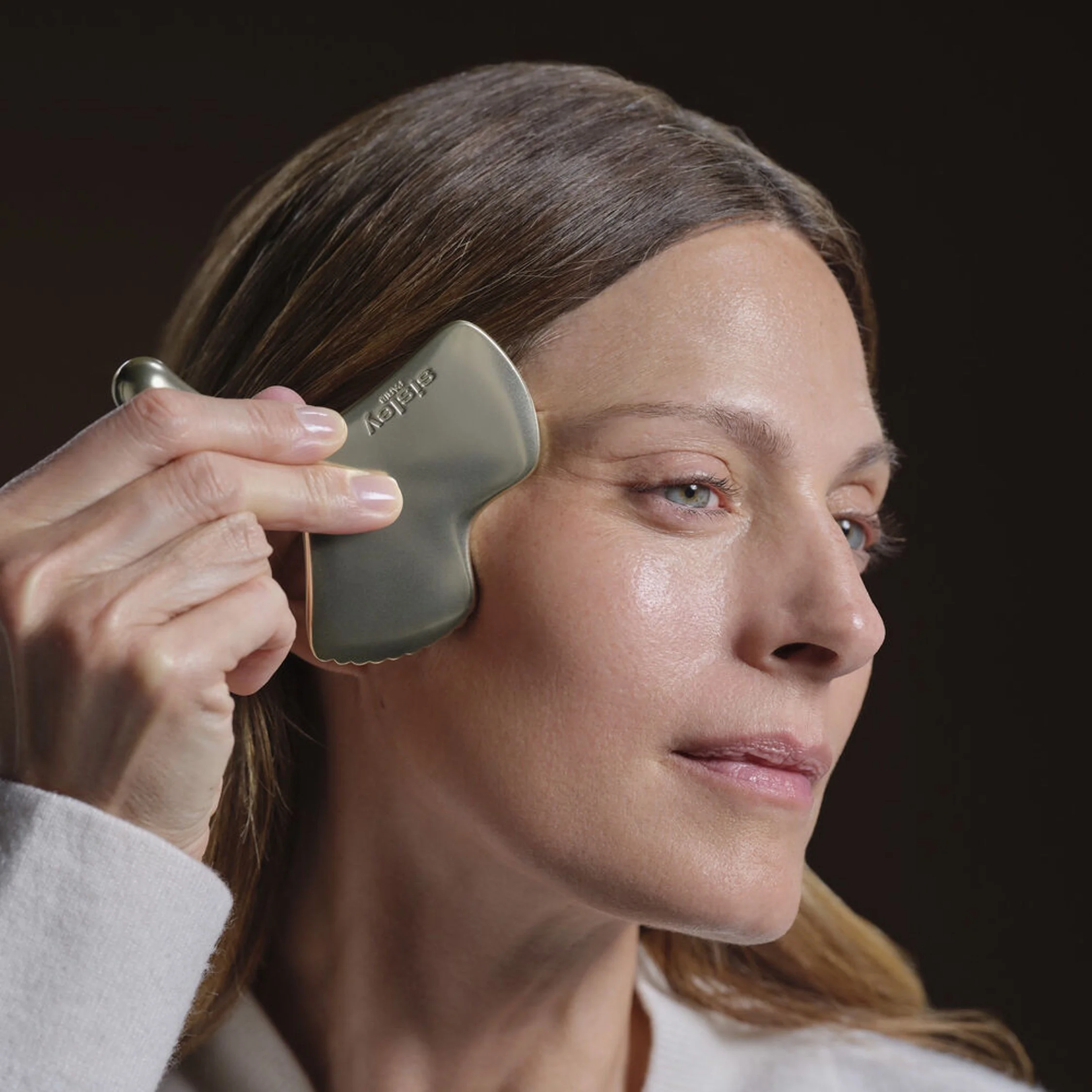
Facial gua sha — not a trend, not a luxury. Used consistently in the morning, gua sha improves lymphatic drainage, reduces stress-induced puffiness, and — crucially — the two minutes of intentional, slow touch is itself a cortisol-lowering practice. The ritual matters as much as the tool.
Cléco is the authority on clean, non-toxic living for better health. All product picks are independently chosen. We do not earn from links or purchases.
