Everyone Wants Lower Cortisol. Most People Don't Know What Cortisol Actually Does.
TikTok wants you to lower it. Oura wants you to understand your stress. Wellness brands want to sell you something for it. But cortisol isn't a toxin—and getting rid of it was never the goal.
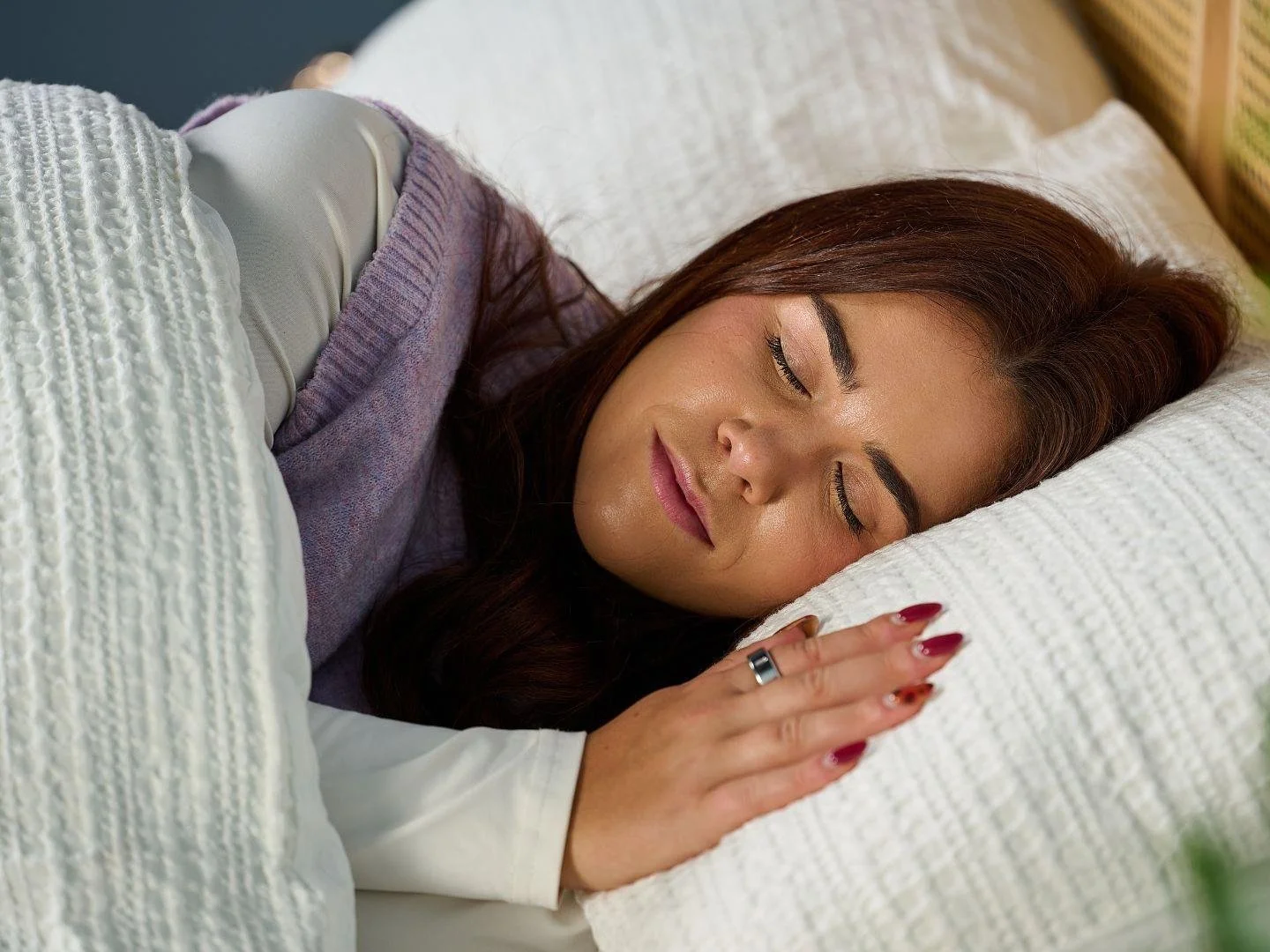
“Lower your cortisol” has become one of wellness culture’s favorite instructions.
There are cortisol mocktails. Cortisol supplements. Morning routines designed around cortisol. Influencers blaming it for everything from a puffy face to stubborn belly fat.
The implication is remarkably consistent:
Cortisol is high. High is bad. Lower it.
Except that isn't really how cortisol works.
You Actually Need Cortisol
Cortisol is a hormone produced by the adrenal glands, and its job extends far beyond making you feel stressed.

It helps regulate blood pressure, metabolism, inflammation and blood sugar. It also helps your body respond when something requires additional energy or attention.
And cortisol isn't supposed to remain low all day.
It follows a daily rhythm.
Levels generally rise toward the early morning, helping prepare the body to wake and function, and decline toward nighttime. Stress can temporarily raise cortisol too—which is part of a normal biological response, not automatically evidence that something is wrong.
So the goal isn't low cortisol.
It's appropriate cortisol regulation.
Your “Cortisol Face” May Not Be a Cortisol Problem
This is where social media has made things messy.
Search “cortisol face” and you'll find videos attributing facial puffiness, acne, weight gain, fatigue and poor sleep to elevated cortisol.
Chronically excessive cortisol can produce significant physical changes. Cushing syndrome, for example, can cause facial rounding, fat accumulation around the trunk and neck, easier bruising, muscle weakness and other symptoms.
But that's a medical condition—not the same thing as waking up slightly puffy after bad sleep, alcohol, a salty dinner or a stressful week.
A symptom can have many causes.
A TikTok checklist isn't a hormone test.
And Your Wearable Isn't Measuring Cortisol
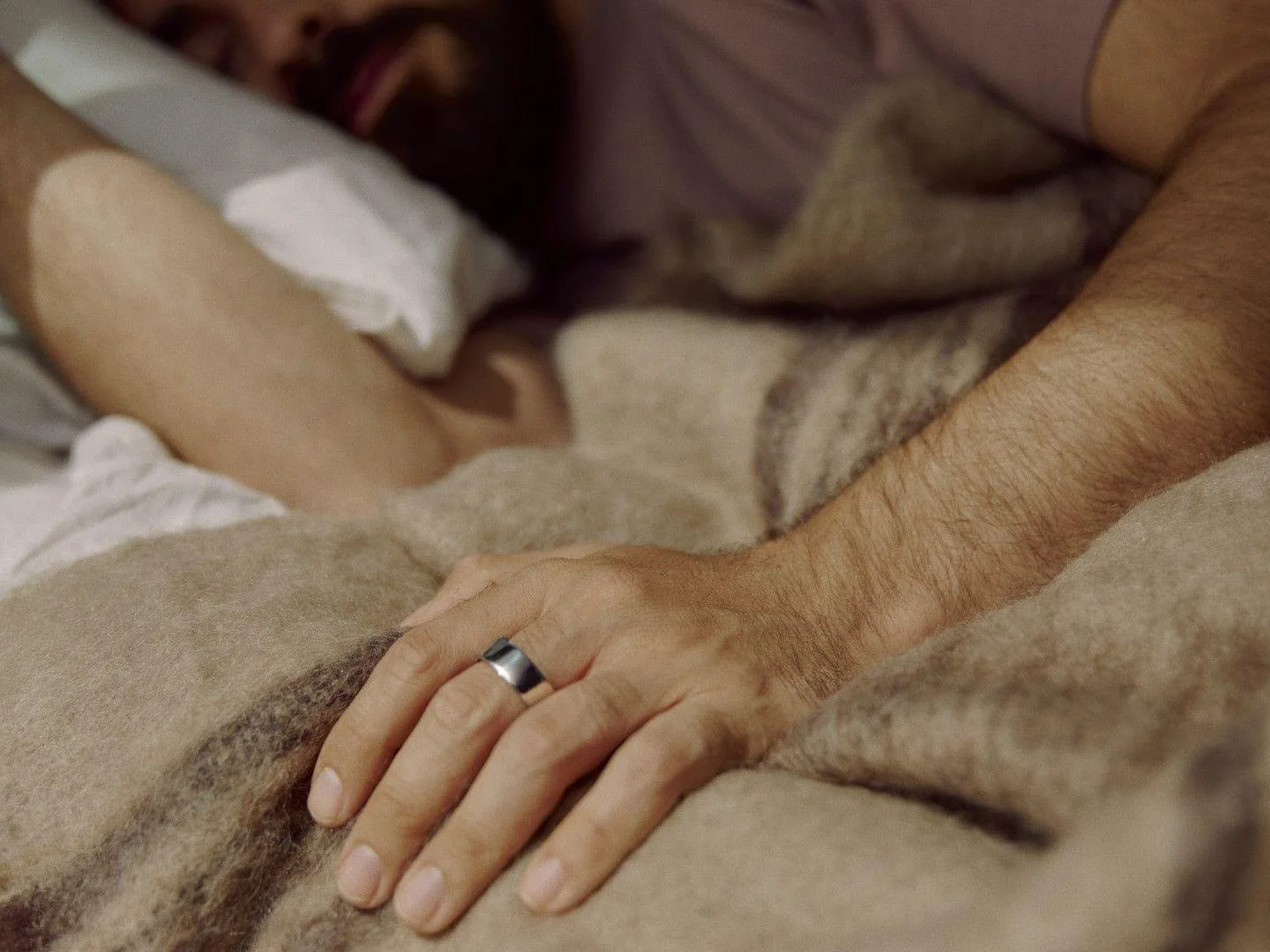
This distinction is worth remembering.
Devices like Oura can provide information about physiological stress using signals such as heart rate, heart-rate variability, temperature and movement.
That's useful.
But a stress score is not a cortisol measurement.
Wearables can help you notice patterns—perhaps your body isn't recovering well after several nights of poor sleep—but they shouldn't be interpreted as a blood test happening on your finger.
That distinction will become increasingly important as wellness technology gives us more numbers about ourselves.
So What Actually Helps?
Ironically, the least glamorous advice remains some of the most useful.

Consistent sleep.
Regular movement.
Adequate nutrition.
Time outside.
Social connection.
Periods of actual recovery.
Reducing chronic stress where you realistically can.
None promises to “flush cortisol” from your body. That's precisely the point.
You aren't trying to eliminate a hormone your body needs. You're creating conditions that allow your stress-response systems to function normally.
And if you genuinely suspect abnormal cortisol levels—particularly because of persistent or significant symptoms—that's a conversation for a clinician, who can determine whether testing is appropriate.
The Clèco Check
The next time something promises to lower cortisol, ask three questions:
How do they know mine is high?
Are they talking about normal everyday stress—or a clinically abnormal hormone level?
Is the product actually affecting cortisol, or simply helping me relax?
Because those aren't the same thing.
A bath might make you feel calmer. A walk might help you decompress. A wearable might show that you're recovering better.
All can be valuable without turning cortisol into the villain.
Perhaps that's the correction wellness culture needs most:
Your body doesn't need less cortisol. It needs cortisol at the right time, in the right amount, for the right reasons.
