Longevity Is Not the New Anti-Aging. It's a Completely Different Conversation.
The anti-aging industry has been selling women a war on time. Longevity asks a different question entirely — and the answer changes everything about how she lives, what she buys, and what she actually owes her body.

There is a word that has quietly replaced "anti-aging" in the vocabulary of the most informed women alive right now. It shows up in the supplements they take, the practitioners they seek, and the questions they are learning to ask their doctors. The word is longevity. And while the beauty and wellness industries have been quick to adopt the language, most of what is sold under its banner is the same thing that has always been sold, just renamed.
Understanding the difference between anti-aging and longevity is not a semantic exercise. It is a shift in philosophy that changes every decision: what to put on the body, what to put in it, how to move, how to sleep, how to manage the chronic low-grade inflammation that researchers now recognize as one of the primary drivers of how quickly, and how well, a person ages.
Anti-aging asks: how do I look younger? Longevity asks: how do I function better, for longer? The distinction is not cosmetic. It is everything.
The Industry Built on the Fear of Decline
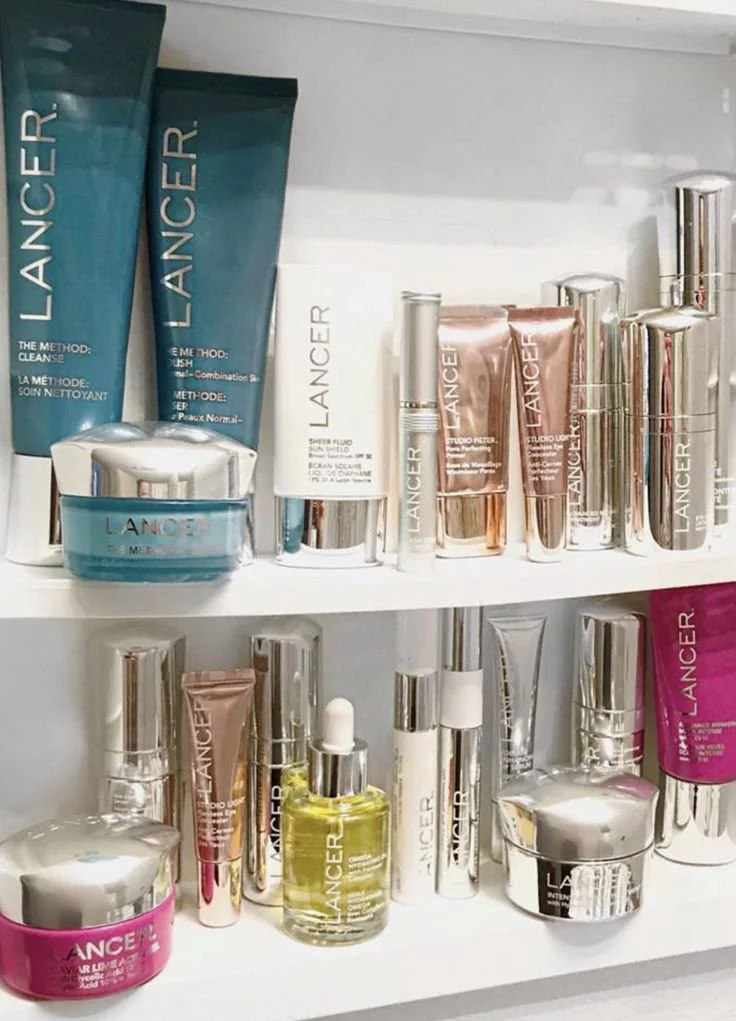
The global anti-aging market was valued at approximately $77 billion in 2025, with projections indicating it will exceed $149 billion by 2035. That figure represents one of the most sustained commercial investments in a single human fear: the fear of looking older. The products it produces — creams, serums, injectables, procedures — are largely designed to address the visible surface of aging while leaving its underlying mechanisms entirely untouched.
This is not an indictment of every product in that market. Retinoids have clinical evidence behind them. SPF is non-negotiable. Peptides have earned their place in the research. But the framework that sells them — the language of "reversal," "repair," "turning back the clock" — trains women to relate to their bodies as problems to be solved, appearances to be managed, declines to be delayed.
The global anti-aging market is projected to reach $149 billion by 2035, driven primarily by the belief that aging is something to fight. Longevity science asks what it means to age well instead. (Precedence Research, 2026)
The longevity conversation begins where that framework ends. Not with how the skin looks, but with why it is aging the way it is. Not with which product to add, but with what the body actually needs to function optimally over decades. It is a medical, nutritional, and lifestyle conversation as much as a beauty one, and for women navigating hormonal transitions, gut health, chronic stress, and the relentless pressure to appear a certain way, it is a far more honest one.
What Longevity Actually Means — and What It Does Not
Longevity, in the context of health and wellness, refers to the practice of extending not just lifespan but healthspan — the number of years a person spends in full function, free from chronic disease, with a high quality of life. Where anti-aging focuses on appearance, longevity focuses on the biological systems that determine how a body ages: inflammation, cellular repair, hormonal balance, gut microbiome health, sleep quality, and metabolic function.
Researchers have identified a set of biological mechanisms, now called the hallmarks of aging, that govern this process. Originally proposed in 2013 and expanded in 2023 to include chronic inflammation and gut dysbiosis, these hallmarks represent the upstream causes of what eventually manifests on the skin's surface. Addressing th’. Addressing them requires more than a topical intervention.
This is not fringe science. It is the direction that preventive medicine, functional medicine, and longevity research are moving simultaneously. A 2025 study published in Nature Medicine, analyzing blood proteins from nearly 45,000 people, found that individuals with biologically young immune systems had a 56 percent lower mortality risk over a fifteen-year period, with researchers pointing to the control of chronic inflammation as the likely mechanism.
The Question That Has Not Been Asked Before
The most important reframe longevity offers is not about what to buy. It is about what to ask. Anti-aging presents a set of solutions. Longevity presents a set of questions. What is driving the inflammation in this body? How is the gut affecting the skin? What does the hormonal stage this woman is in mean for the choices she makes right now? These are the questions that functional medicine practitioners, integrative health doctors, and longevity researchers are increasingly treating as the foundation of good care.
There are also notable questions that most annual check-ups do not ask, and that most beauty counters are not equipped to answer.
The Four Pillars of a Longevity Practice
The women building genuine longevity practices are not necessarily doing more. In many cases, they are doing less, fewer products, fewer interventions, fewer things marketed as solutions. What they are doing is more intentional, more connected to the body's actual systems, and more informed by research on the mechanisms of aging.
The practice tends to organize around four areas. Not as a rigid protocol, but as a connected framework. Each area influences the others. Changing one changes all of them.
Inflammation — The Thread That Runs Through Everything
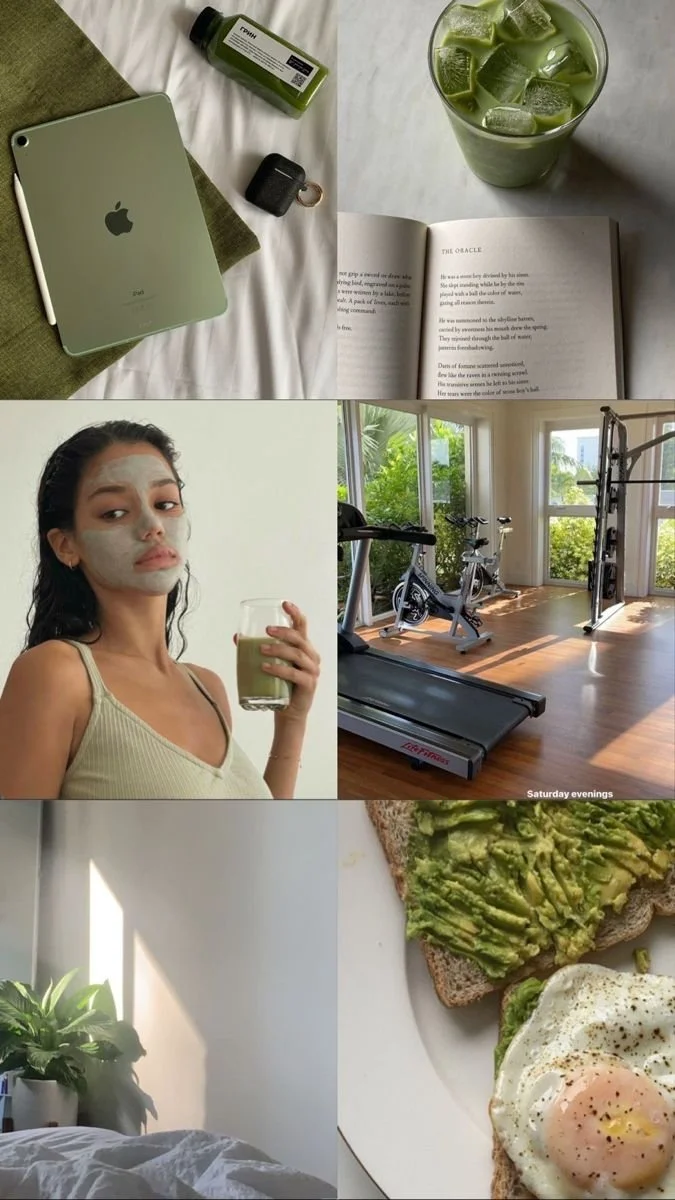
Chronic low-grade inflammation is now understood to be implicated in nearly every major age-related condition: cardiovascular disease, type 2 diabetes, Alzheimer's disease, certain cancers, and the acceleration of skin aging. Scientists have coined the term "inflammaging" to describe the relationship between chronic inflammation and the aging process itself. It is not a side effect of getting older. For many people, it is the driver.
Inflammation is also one of the most modifiable variables in the longevity equation. What a person eats, what they put on their skin, what their clothing is made of, how well they sleep, and how their nervous system responds to stress — all of it has a measurable effect on inflammatory markers. This is the through-line that connects beauty, fashion, food, and wellness into a single conversation. It is why a woman who switches to clean skincare, investigates her supplement stack, and then starts reading fabric labels is not doing three separate things. She is doing one.
Chronic inflammation is now recognized as a hallmark of aging, a primary biological mechanism driving age-related disease, rather than merely a symptom of it. (Frontiers in Aging, 2024)
Food — The Longevity Protocol That Predates the Industry
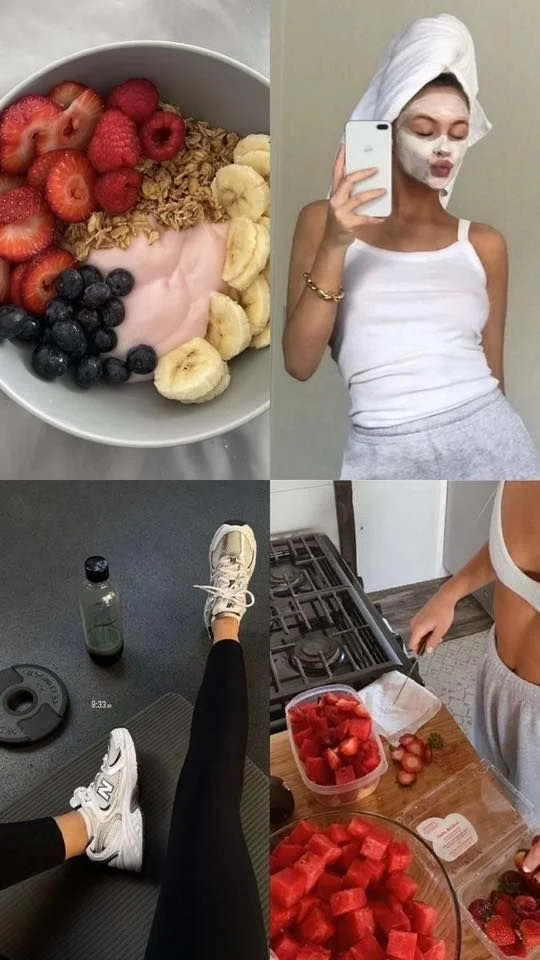
Long before longevity became a market, it was a practice embedded in the food traditions of cultures that consistently produced the longest-lived, healthiest populations. The Mediterranean diet. Traditional Okinawan eating. The fermented-food traditions of Korean cuisine. The herb and root protocols of Ayurvedic and Traditional Chinese Medicine. These are not trends discovered by Western wellness. They are practices refined over centuries that align almost perfectly with what the science of longevity now recommends: anti-inflammatory foods, diverse fiber sources for gut microbiome health, minimal processed ingredients, and an absence of the chronic metabolic stress caused by refined sugar and seed oils.
The question a longevity-informed woman asks about her breakfast is not "is this low-calorie?" It is "what does this do to my inflammatory load, my gut, and my blood sugar over the next four hours?" The answers are often the same — but the framework behind the question is completely different.
Sleep — Where the Body Does Its Actual Work
No supplement stack, skincare routine, or longevity protocol is effective without adequate sleep. This is not wellness advice. It is a biological fact. During sleep, the body clears metabolic waste from the brain, repairs cellular damage, regulates cortisol and other hormonal systems, and performs immune maintenance, helping keep chronic inflammation in check. A 2024 study found that the aging process accelerates significantly around age 44 and again at 60 — periods that coincide, for many women, with significant hormonal transitions and the sleep disruptions they bring.
Sleep quality is not a lifestyle preference. It is a longevity variable.
Movement — Not for the Aesthetic, for the Function
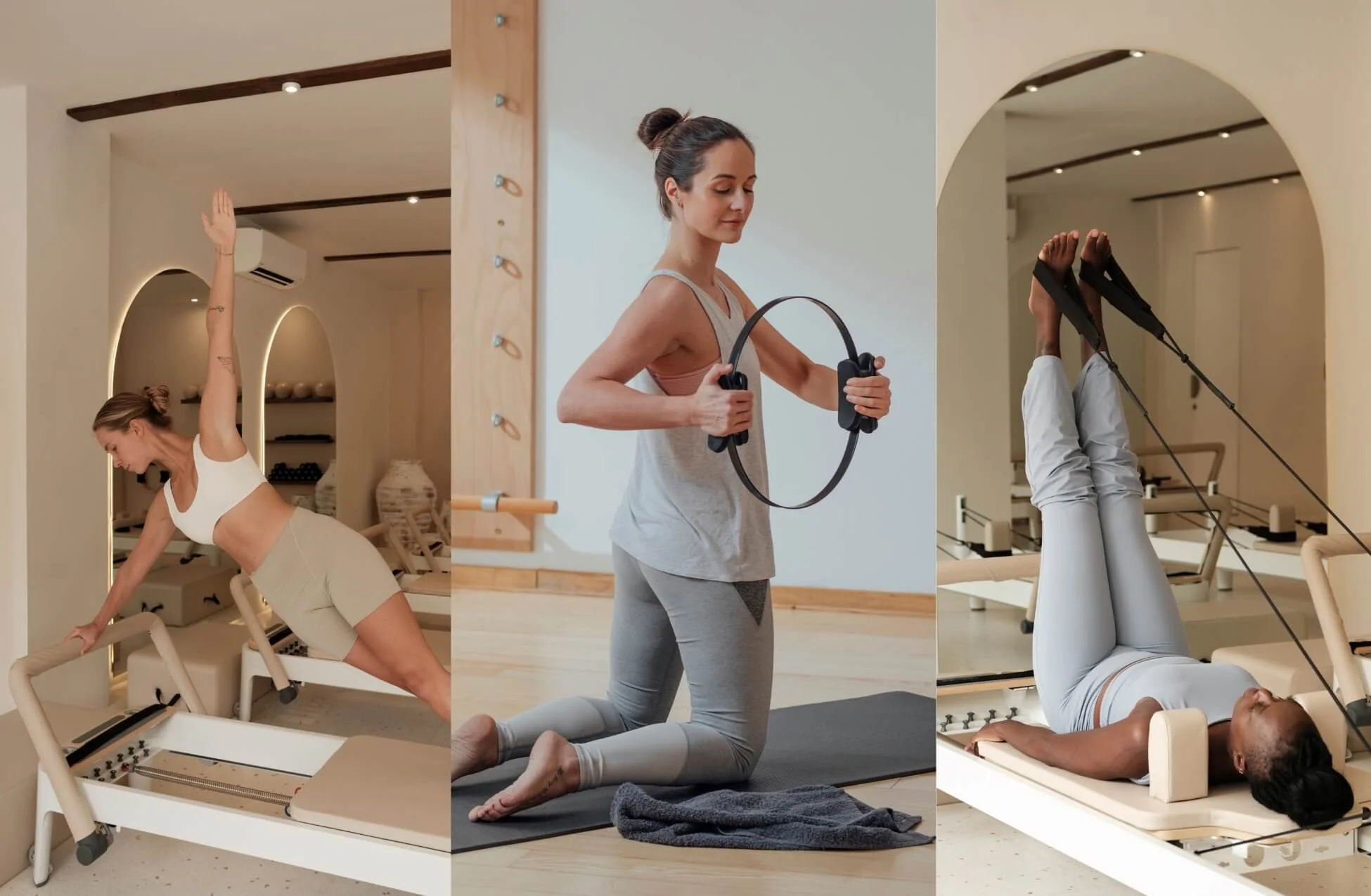
The research on exercise and longevity is consistent and clear: regular movement significantly extends healthspan. The mechanism is not primarily aesthetic. It is inflammatory. Exercise reduces circulating inflammatory markers, supports mitochondrial health, improves insulin sensitivity, and maintains muscle mass, all of which become increasingly critical to metabolic function with age. The goal is not to look like she works out. The goal is to function better for longer.
Longevity and the Life Already Loved
The most common misunderstanding about longevity — the one that makes women file it alongside other wellness categories they admire but do not fully enter — is that it requires sacrifice. That living with intention toward long-term health means giving up the things that make life beautiful. The clothes she loves. The beauty rituals she has built. The food that feels like pleasure and not a prescription.
This is the gap that a longevity-informed perspective exists to close. The truth is that intentional living and beautiful living are not in opposition. The woman who switches from synthetic-blend clothing to natural fibers is not giving up fashion. She is practicing it with more information. The woman who replaces her conventional fragrance with a clean alternative is not sacrificing luxury. She is redefining what luxury means when she understands what synthetic fragrance does to her endocrine system.
In Chicago, this shift is already visible in the spaces where the most intentional women live. The functional wellness cafés in Wicker Park serve adaptogenic drinks that have been used in traditional medicine for centuries. The farmers' markets at Lincoln Park, where the longevity protocol looks like a Saturday morning ritual rather than a medical intervention. The boutiques on Armitage, where the question of fabric content is becoming as natural as the question of cut.
The longevity practice is not a departure from the life she loves. It is the most intelligent version.
Making the Shift — Where to Begin
The women navigating this shift most effectively are not the ones who overhaul everything at once. They begin by understanding the mechanisms — inflammation, hormonal health, the gut-skin axis — and then let that understanding guide choices across each area of their lives, one at a time.
A longevity practice does not have a single entry point. For some women, it begins with food. For others, it begins with skincare labels or with a conversation with a functional medicine practitioner who asks questions their regular doctor never has. For others, it still begins with a fabric. With a supplement. With a sleep routine rebuilt around quality rather than duration.
What it requires, in every case, is the willingness to replace the question "how do I look younger?" with "how do I live better, longer?" That shift in question is the beginning of a completely different relationship with the body, one that is not about fighting time, but about understanding it.
The anti-aging industry will continue to grow. The products will continue to improve. And some of them will earn a place in an intelligent woman's routine. But the framework underneath the routine — the philosophy that decides which products make the cut, which practices deserve investment, and which traditions carry real wisdom — that is the longevity conversation. And it is one that the most informed women alive right now are already having.
