The Lactose: Digestive Performance
Nutrition has evolved beyond following trends; it now focuses on biological precision. As we optimize our lives, it's essential to evaluate what we consume. The "Lactose-Free" movement has transitioned from the clinical fringes to the center of the lifestyle industry. We are moving past marketing labels to understand the true impact of lactose on our overall health. In our quest for a high-performance lifestyle, we often forget the most basic aspect of our nutrition: how our bodies process the foods and beverages we consume. In recent discussions about dairy, the focus has shifted from whether we should consume it to how we can make the most of it.
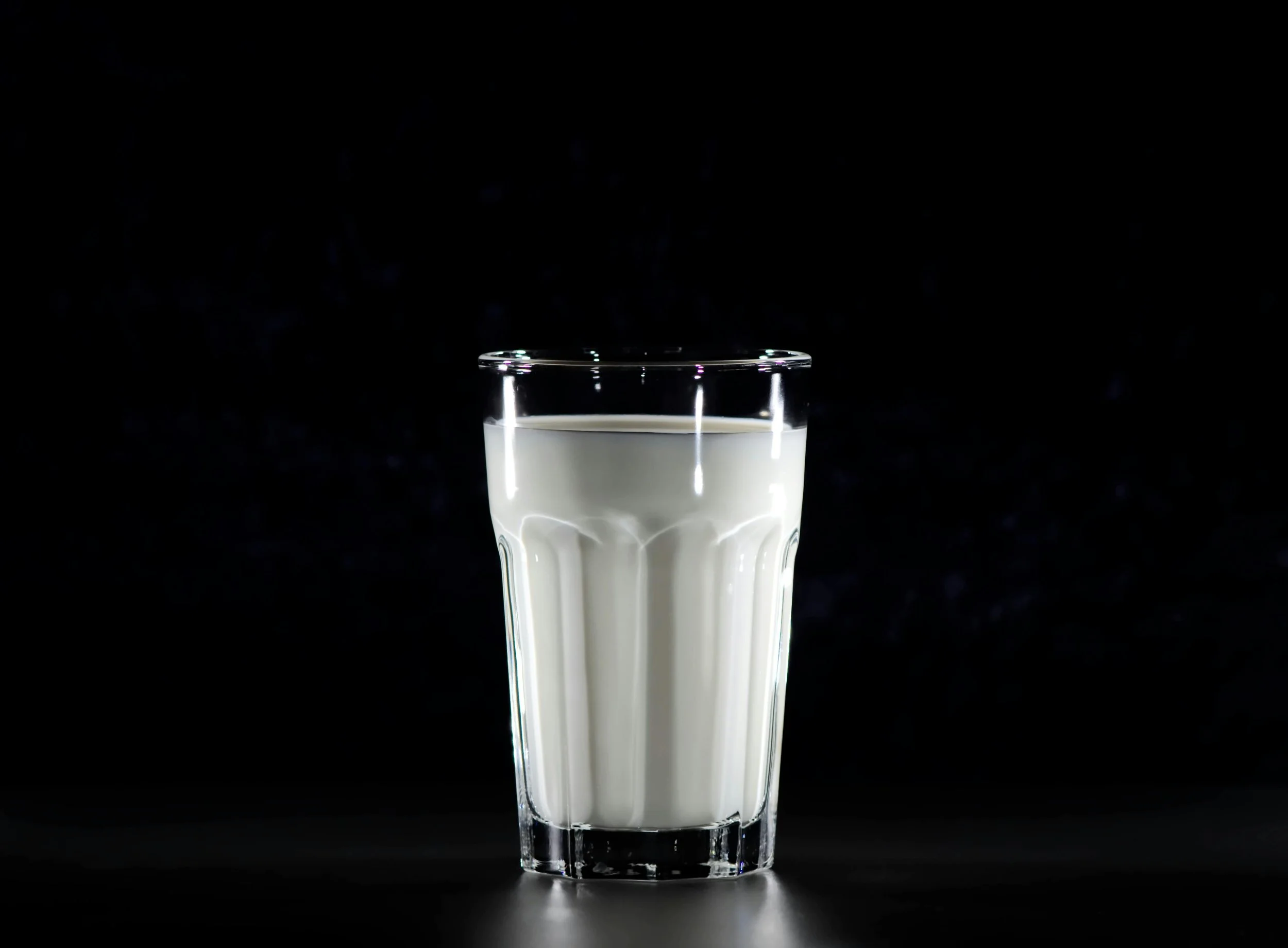
The Biological Mechanics
To understand lactose-free dairy, we first need to examine the chemistry of milk. Lactose is a complex sugar (disaccharide) that is naturally found in mammalian milk. For the body to utilize this sugar, it requires a specific enzyme called lactase, which is produced in the small intestine. Lactase breaks down lactose into simpler sugars: glucose and galactose.
For most of the global population, lactase production declines after childhood. When undigested lactose reaches the colon, it ferments, leading to systemic inflammation, bloating, and digestive discomfort. This is not just a minor issue; it disrupts the body's equilibrium.

The Technology of Pre-Digestion
Lactose-free milk is not a synthetic substitute; it is 100% real cow's milk that has undergone a process called "pre-digestion." During its production, the lactase enzyme is added directly to the milk. This enzyme breaks down the complex sugars into simpler, more absorbable forms before the milk even reaches your glass.
This process also explains why lactose-free milk often tastes slightly sweeter. No sugar has been added; rather, your taste buds are reacting to the simpler glucose and galactose molecules that were previously locked in the complex lactose chain.

Why It Matters for Your Routine
Choosing lactose-free options promotes your overall well-being. By avoiding the inflammatory response linked to lactose intolerance, you can regain your energy and improve the clarity of your skin. When your digestive system functions smoothly, both your cognitive and physical performance reach their maximum potential.

Whether you're focusing on the nutrient density of real dairy or aiming to reduce silent inflammation, understanding how your body processes these foods allows you to create a diet that supports your individual needs.
