You Need Protein to Lose Weight — Here's Why Low Protein Keeps You Inflamed and Bloated
If your reflection feels heavy and your energy remains stagnant despite maintaining a 'clean diet', it may be time to evaluate the structural foundation of your nutrition. Weight loss has often been marketed as a matter of deprivation, but the biological reality focuses on a different key player: Protein.
When your protein intake falls short of your body's physiological needs, the result is not only a slower metabolism but also a noticeable state of inflammatory stress. Weight loss is often treated as a simple game of numbers; however, the body operates on a more complex chemical and balance-based logic. When we reduce calories without adequately prioritizing protein intake, we can inadvertently trigger a state of biological stress. The result isn't just a lack of progress; it is a visible, persistent puffiness that obscures our true shape.
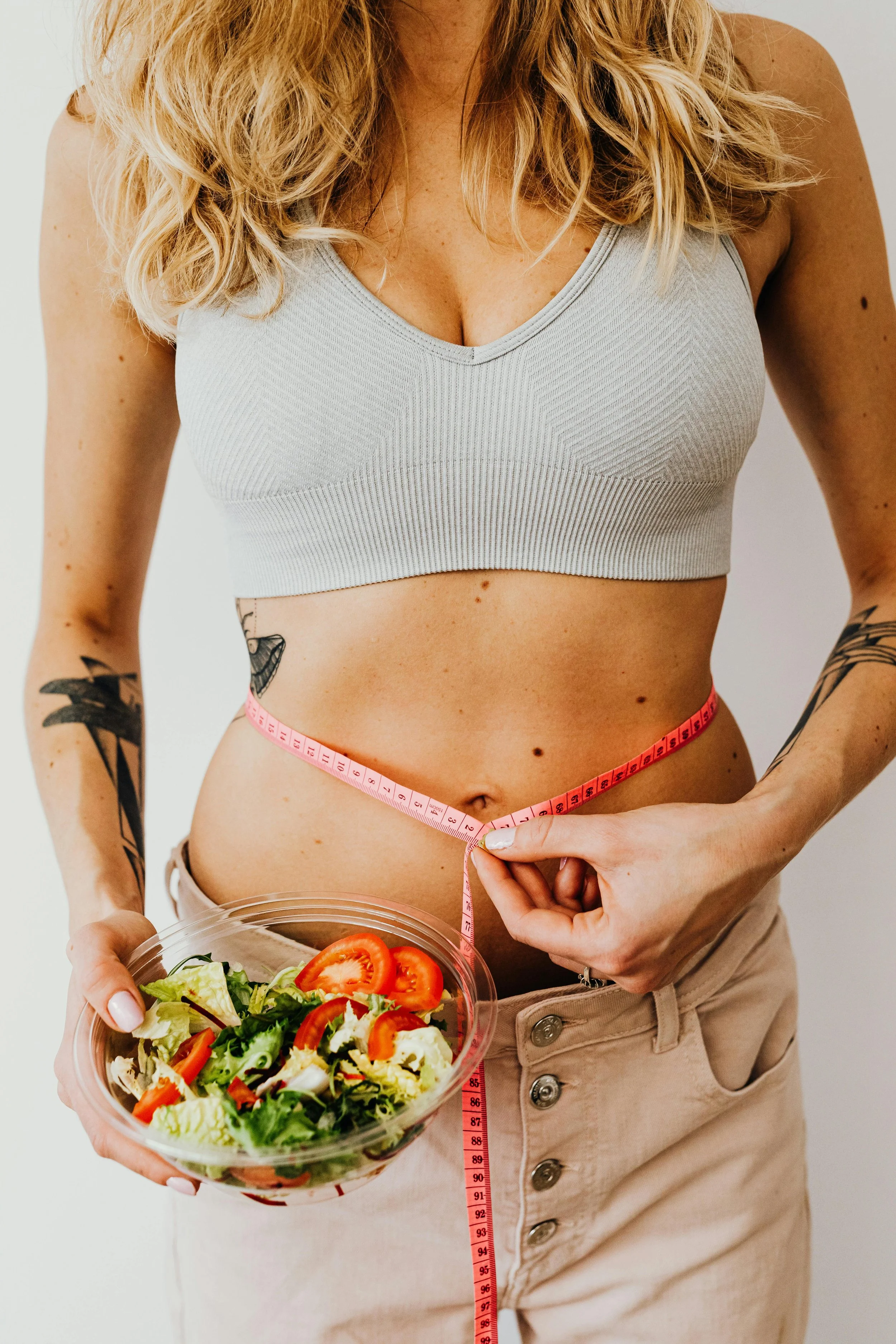
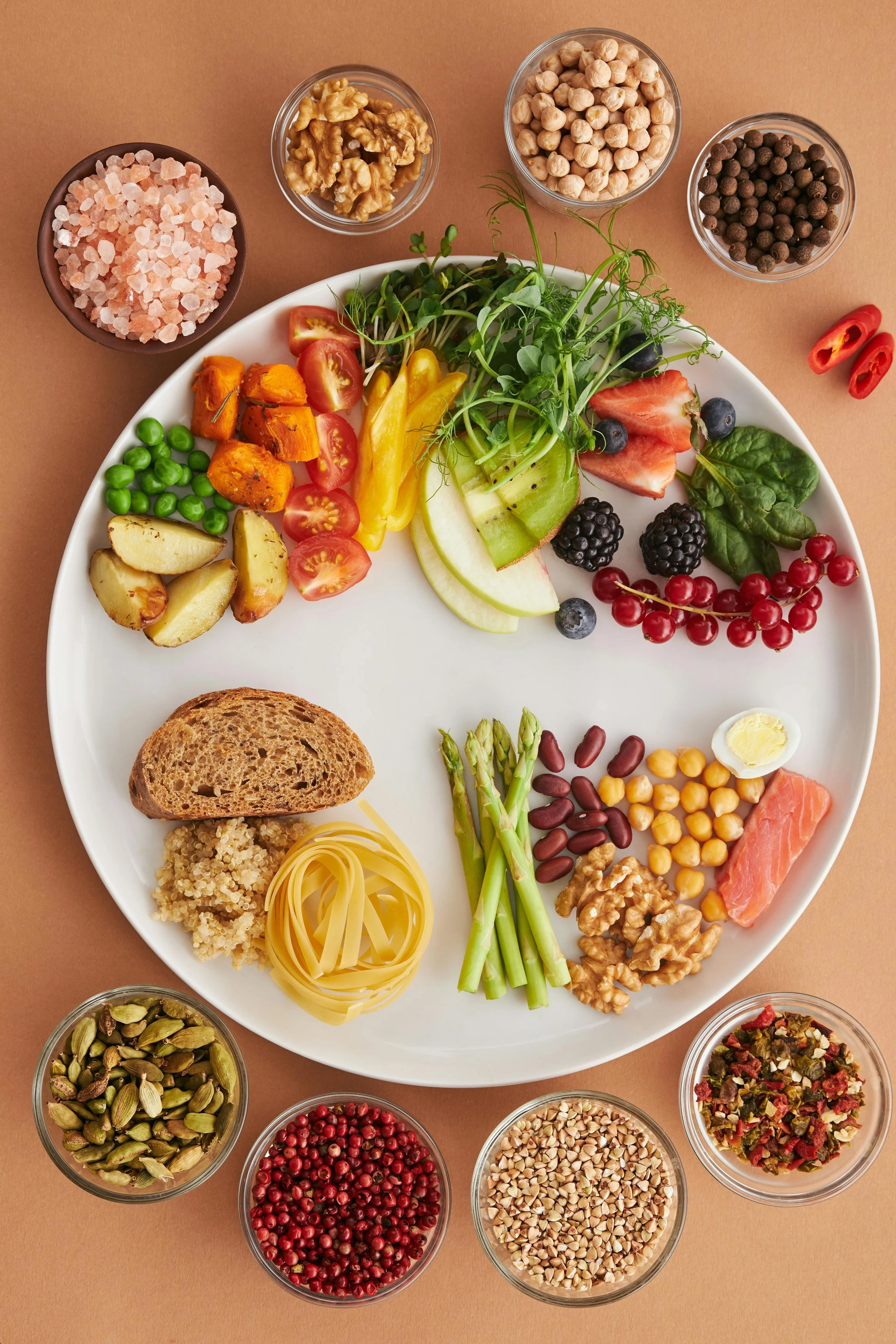
Sometimes, persistent puffiness isn't caused by what you're eating but by what you're missing. When your protein intake is low, your body has difficulty maintaining fluid balance. Instead of remaining in your bloodstream, water begins to accumulate in your tissues, leading to a 'soft' layer of inflammation that can make you feel heavier than you actually are. This subtle, frustrating bloating cannot be resolved with cardio because it is not a fat issue but a structural one.
There is a significant difference between getting smaller and getting leaner. If you cut calories but ignore protein, your body may start to consume its own muscle for energy. While you might see a decrease in the number on the scale, you will lose muscle tone and the metabolic energy necessary for long-term fitness. To look sharp and feel light, it's important to maintain your strength.
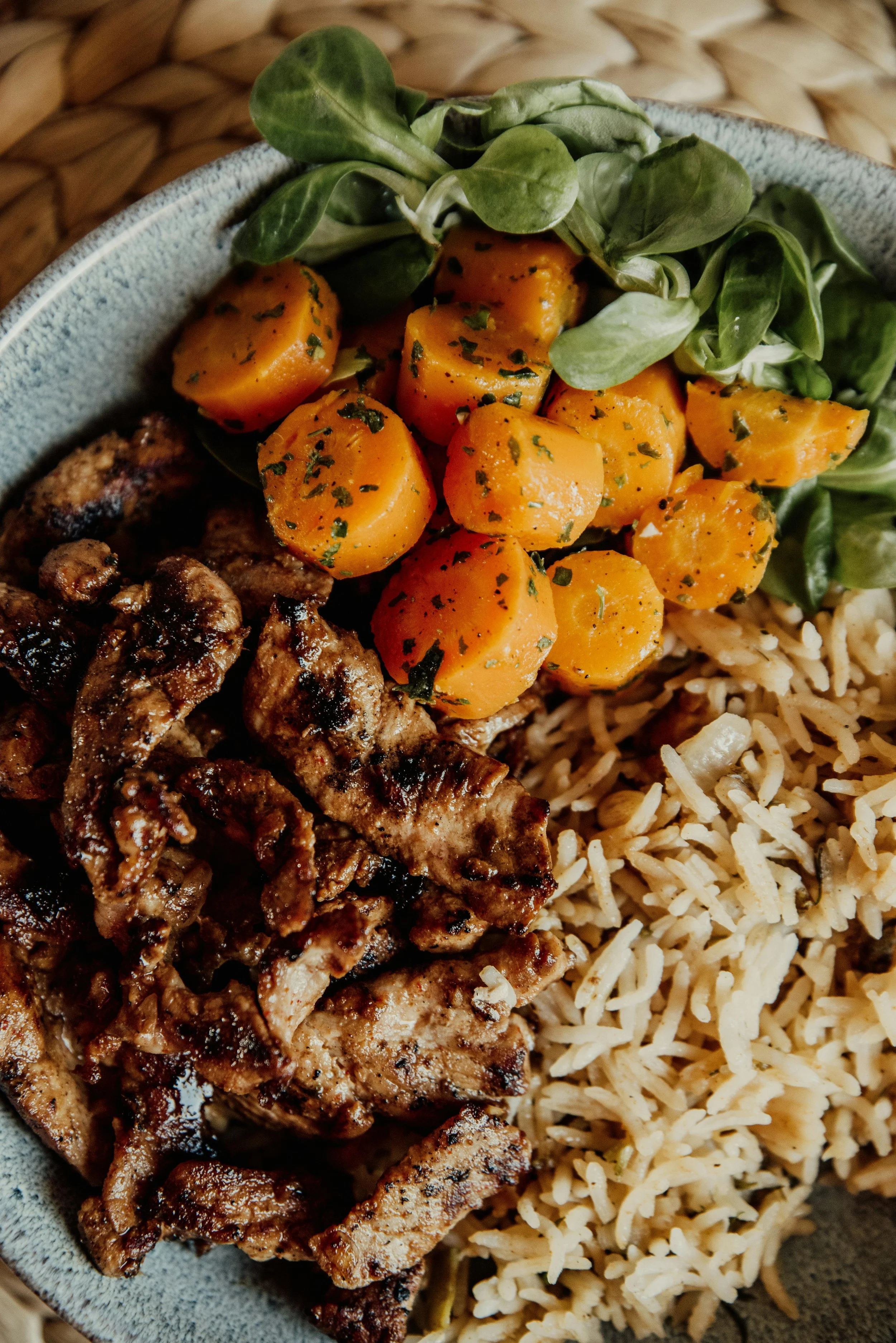
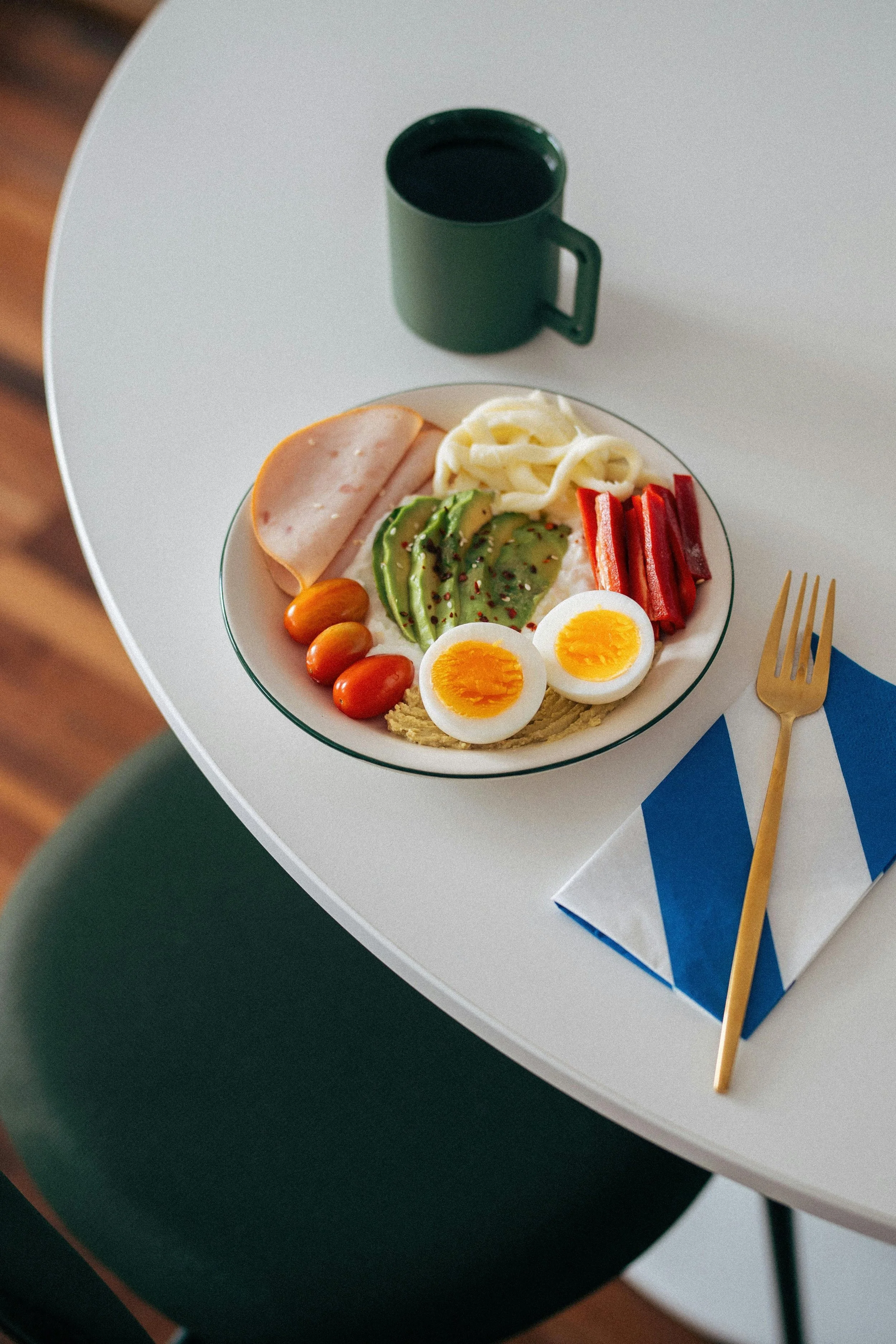
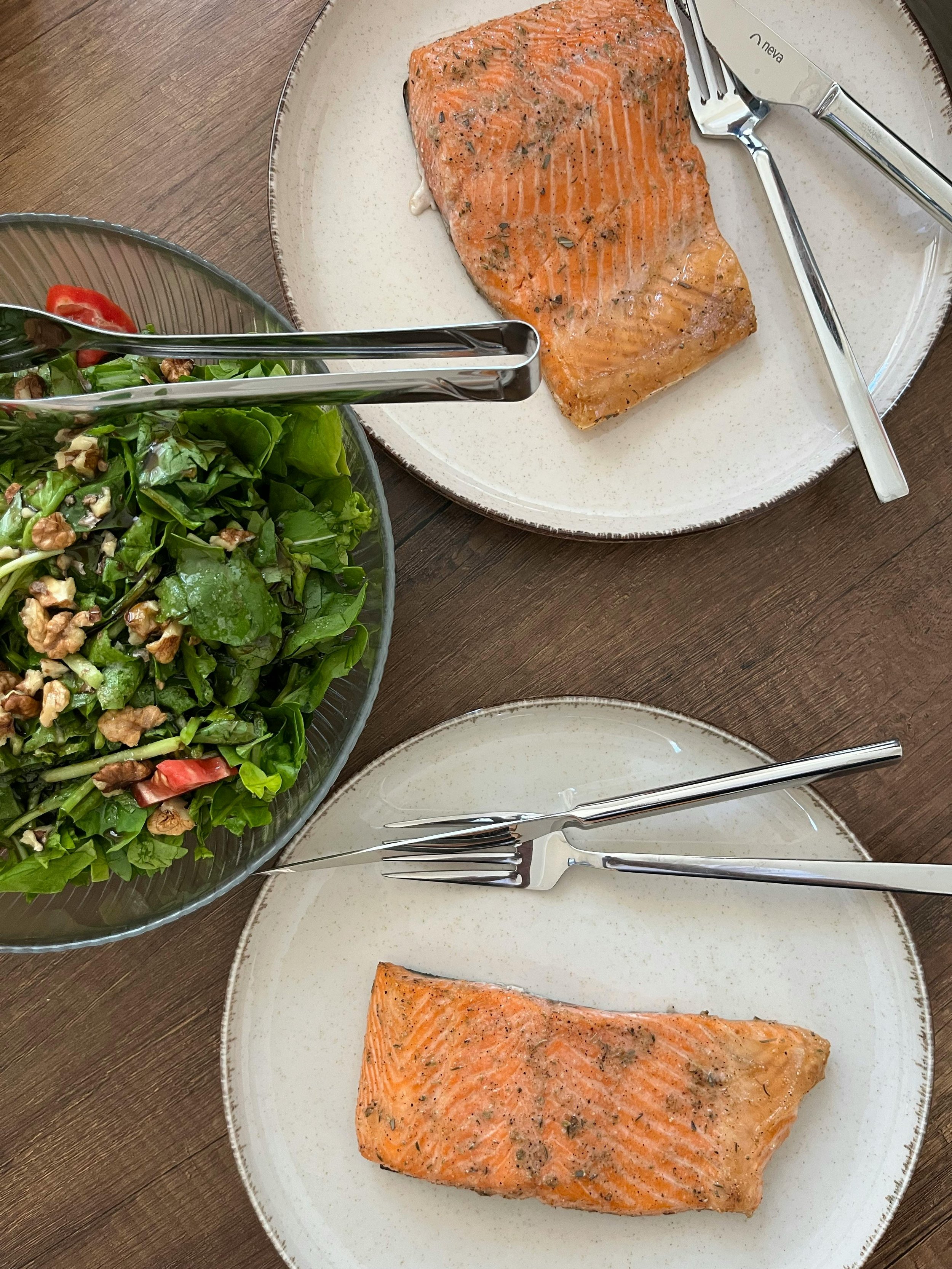
Consuming enough protein ensures that when you lose weight, you're losing fat rather than the muscle that supports your metabolism—prioritizing protein in your meals signals to your nervous system that it's time to relax. This helps reduce the constant feeling of hunger and decreases inflammation, which can contribute to a swollen appearance and discomfort.
The Protein Reference:
Chicken or Turkey Breast: Lean, high-density protein for maximum efficiency.
Wild-Caught Salmon & Tuna: Rich in Omega-3s to actively reduce systemic inflammation.
Eggs & Egg Whites: The biological gold standard for amino acid absorption.
Lean Grass-Fed Beef: High-quality protein paired with essential iron and B12.
Lactose-Free Greek Yogurt: A powerful, bloat-free source of concentrated protein.
Low-Fat Cottage Cheese: Sustained-release protein for long-term satiety.
Quinoa: A complete plant-based protein containing all essential amino acids.
Lentils & Chickpeas: Fiber-rich legumes that support gut health and stability.
Hemp Seeds: A clean, nutrient-dense addition to any meal or smoothie.
Tempeh: Fermented and gut-friendly plant protein with high bioavailability.
Pumpkin Seeds & Almonds: Essential minerals paired with plant-derived protein.
