How to Make Your Home Feel More Expensive Without a Full Renovation
A home does not need a full remodel to feel elevated. With a few thoughtful updates, you can create a space that looks polished, layered, and more luxurious without tearing down walls or replacing everything you own.
Luxury in home design often comes from restraint, texture, and consistency rather than a high budget. Small changes like better lighting, better styling, and fewer visual distractions can make a room feel instantly more expensive. The goal is to make your space look intentional, not crowded.
Why a Home Feels Expensive
A space usually feels expensive when it looks calm, cohesive, and well edited. That means clean lines, good lighting, quality materials, and decor that feels chosen rather than collected at random. Even budget-friendly rooms can look elevated when they follow the same visual language throughout the home.
10 Easy Upgrades
1. Upgrade your lighting
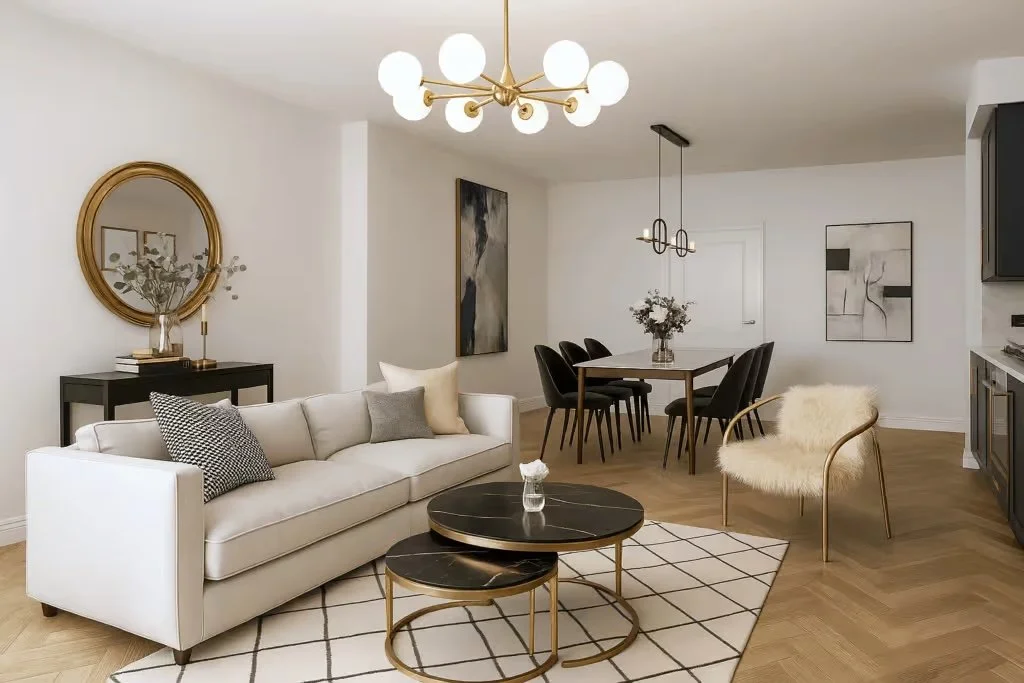
Lighting has a huge effect on how a room feels. Swap harsh overhead bulbs for warmer light, and add table lamps, floor lamps, or sconces to create a softer and more layered look.
2. Use oversized art
Large-scale artwork makes a room feel more deliberate and designer-inspired. A single oversized piece often looks more luxurious than several small frames scattered across a wall.
3. Keep the color palette simple
Neutral tones, soft whites, warm beiges, muted grays, and earthy shades tend to make spaces feel calmer and more refined. A limited palette helps the room look cohesive and more high-end.
4. Add texture
Texture adds depth and richness even when the color scheme is simple. Mix materials like linen, wood, stone, ceramic, wool, and metal to make the room feel layered and more expensive.
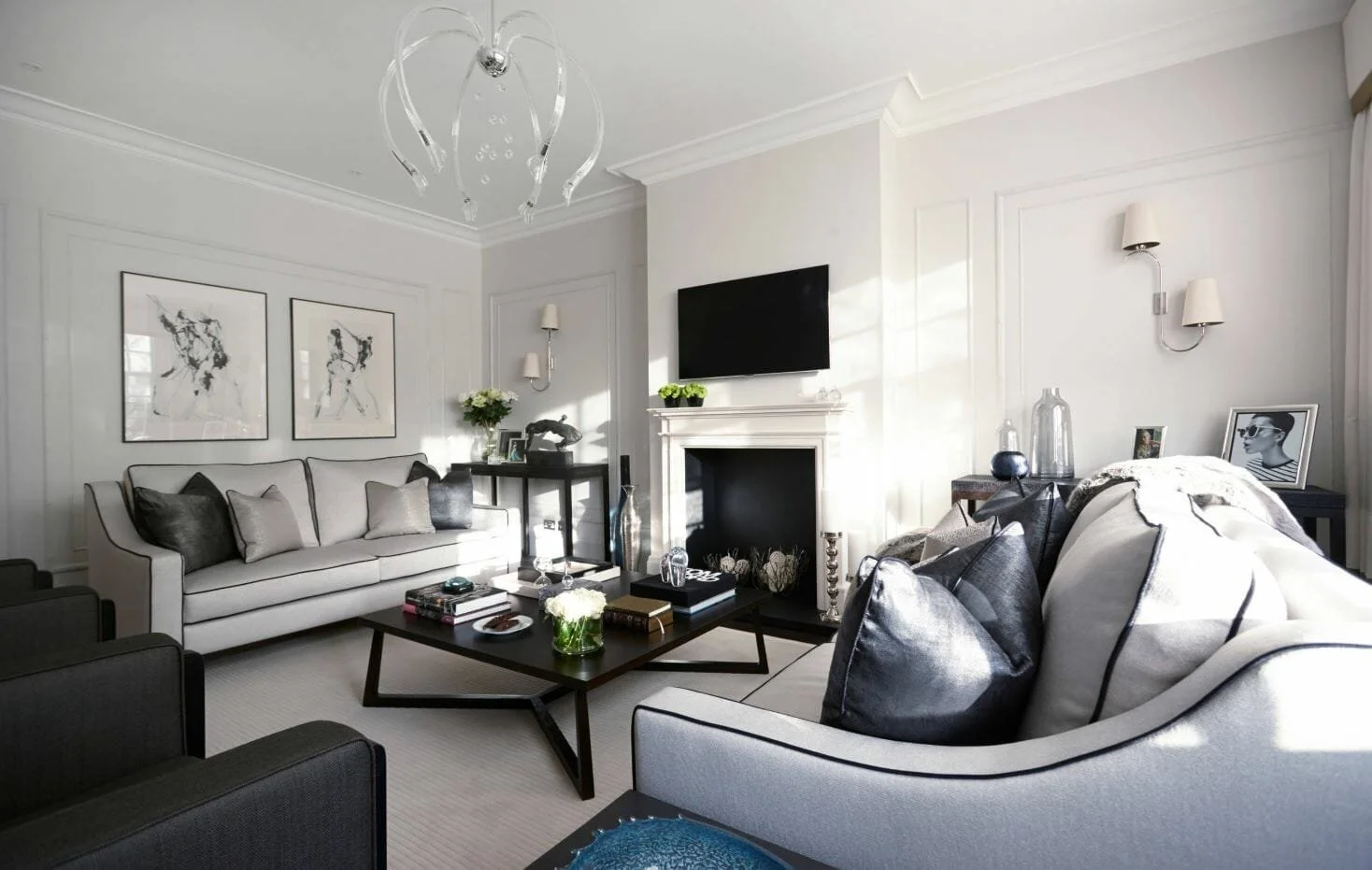
5. Declutter visible surfaces
Clutter makes even a beautiful room feel unfinished. Clear off counters, coffee tables, and shelves, then style them with only a few intentional items.
6. Replace cheap hardware
Small details matter. Upgrading cabinet pulls, drawer handles, and faucets can make kitchens and bathrooms feel much more polished without a full renovation.
7. Add well-chosen mirrors
Mirrors help reflect light and make rooms feel larger and brighter. Choose frames with a clean, substantial look so they feel like design pieces rather than afterthoughts.
8. Bring in quality textiles
Pillows, curtains, bedding, and throws have a big visual impact. Crisp bedding, heavier drapes, and textured cushions can make a room feel more luxurious right away.
9. Choose fewer, better decor pieces
A curated room always feels more expensive than one filled with too many small objects. Edit your shelves and tabletops so each piece has space to breathe.
10. Style with natural materials
Wood, marble, brass, ceramic, glass, and linen tend to feel more elevated than plastic or overly shiny finishes. You do not need real luxury pricing on every item, but prioritizing natural-looking materials creates the right effect.
Room-by-room ideas
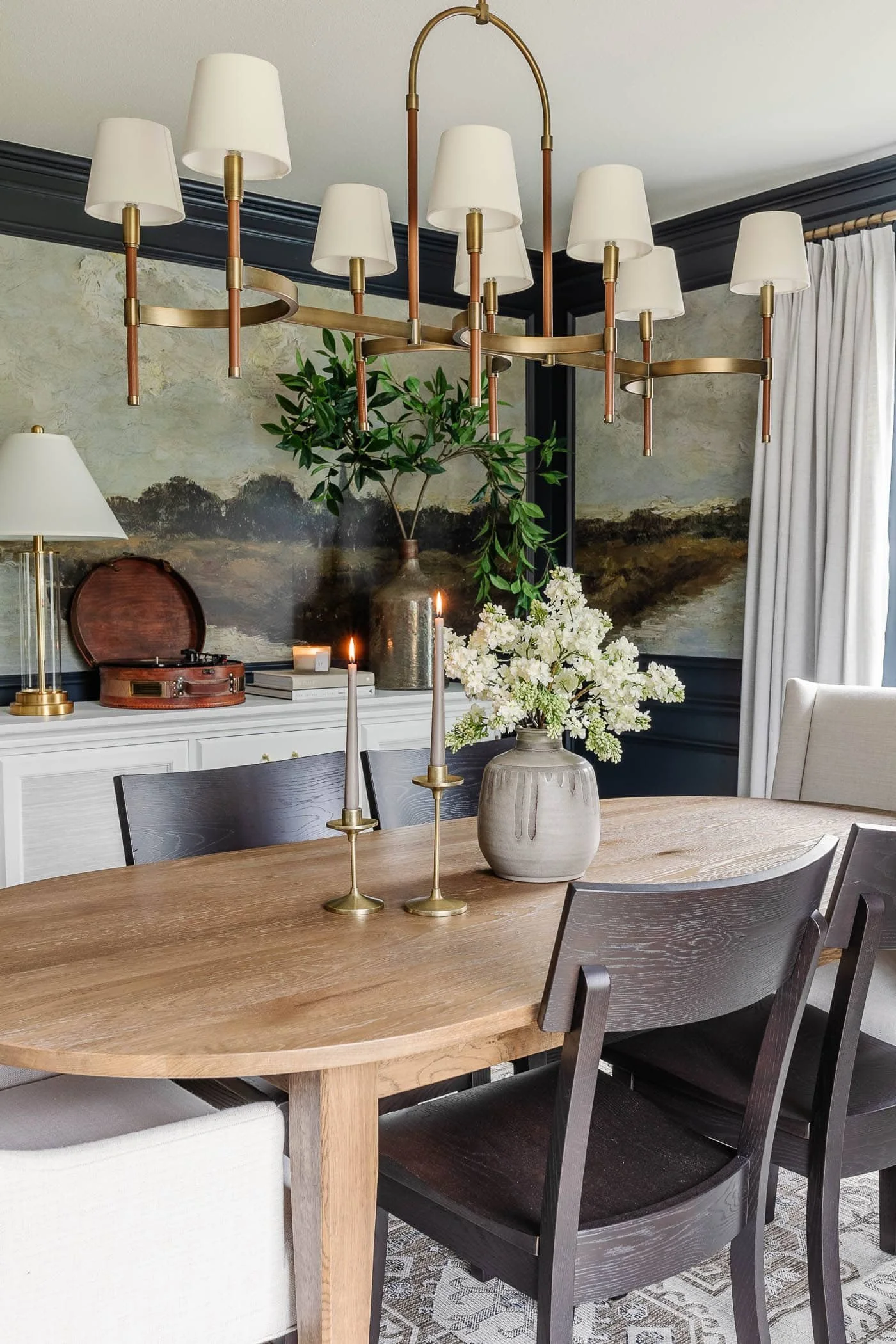
In the living room, start with lighting, a large rug, and one statement art piece. In the bedroom, focus on crisp bedding, matching bedside lamps, and simple styling on the nightstands. In the kitchen, hardware, counter styling, and one or two quality accent pieces can make a big difference.
What to avoid
Avoid filling every surface with small decor, since that usually makes a room feel busier rather than better. Try not to mix too many styles, colors, or finishes in one room if your goal is a calm and expensive look. Overly trendy decor can also make a room feel dated faster than timeless pieces.
You do not need a renovation to make your home feel more expensive. Focus on lighting, texture, editing, and a more consistent visual story, and your home will feel calmer and more elevated almost immediately.
