Your Skincare Doesn’t Just Sit on Your Skin. What Does the Research Actually Say?
Endocrine-disrupting chemicals have become a growing concern in beauty and personal care. But finding a potentially hormone-active chemical in a product is not the same as proving that the product is harmful. Here’s how to understand the difference.
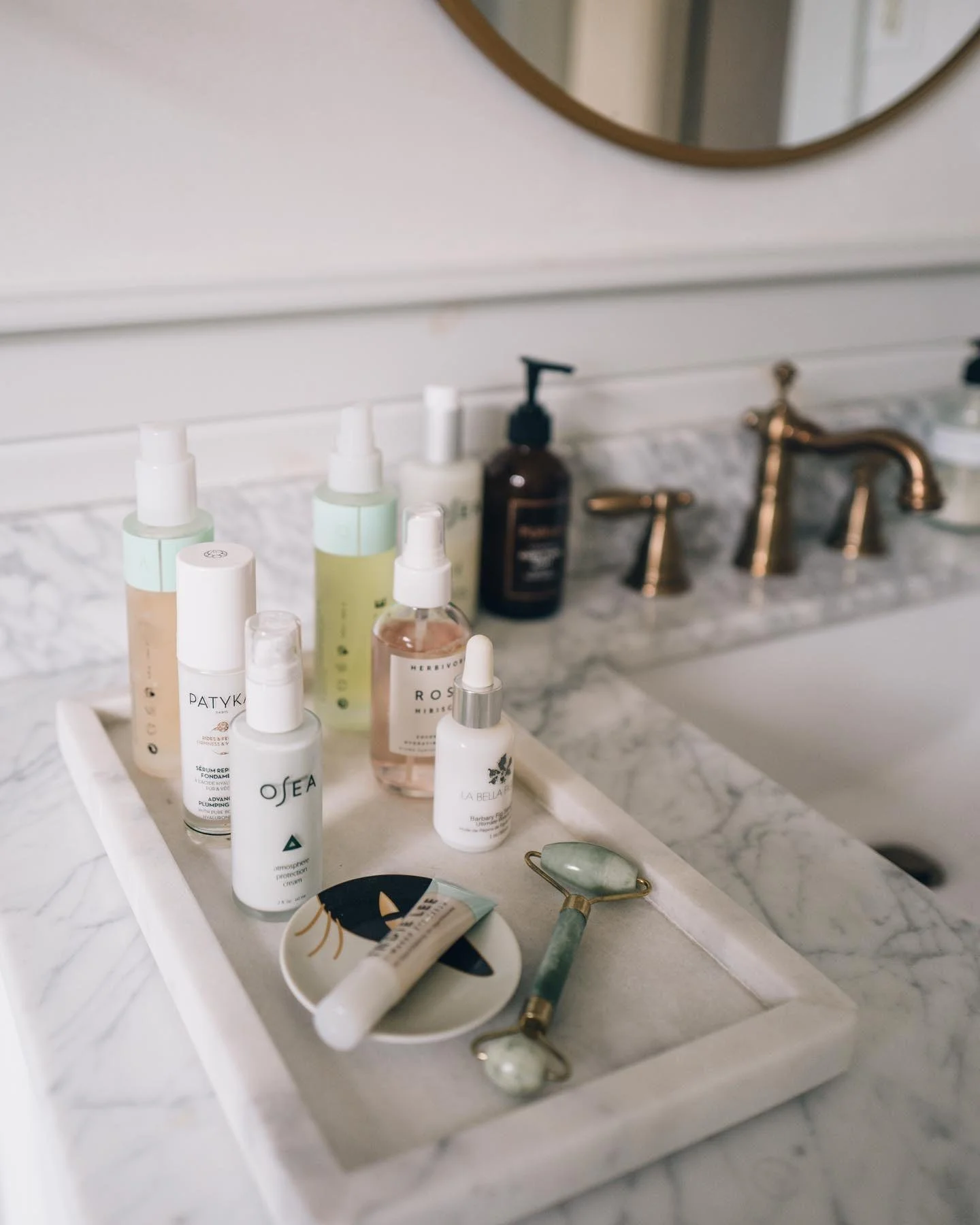
Your moisturizer, body lotion, shampoo, perfume, and makeup are products you may use every day—sometimes more than once a day. That repeated exposure has made personal care an important part of a much larger scientific conversation: how the chemicals we encounter in everyday life may interact with the endocrine system.
The endocrine system uses hormones to regulate functions throughout the body, including growth, metabolism, reproduction, and development. Certain substances are described as endocrine-disrupting chemicals, or EDCs, because they can interfere with hormone signaling under some conditions.
Research has investigated potential endocrine activity or reproductive health effects associated with chemicals or chemical classes found in consumer products, including certain phthalates, parabens, and phenolic compounds.
That can make for a frightening headline.
But the question consumers actually need answered is more complicated:
Does finding one of these chemicals in—or exposure associated with—a beauty product mean the product is harming you?
Not necessarily.
And understanding why is one of the most important distinctions in conversations about cosmetic safety.
Hazard Is Not the Same as Risk
A substance's ability to cause an effect under certain circumstances is not, by itself, a measure of the risk posed by every real-world use of that substance.
Exposure matters. Dose matters. Route matters. Frequency matters.
A finding from a laboratory experiment, for example, cannot automatically tell us what will happen when someone applies a finished cosmetic formulation to their skin at a much lower concentration.
Similarly, detecting a chemical or its metabolite in the human body tells researchers that exposure occurred. It does not, on its own, establish that the exposure caused a particular disease or health outcome.
This doesn't make the research irrelevant. Quite the opposite.
It means we have to ask better questions about it.
Why Are Researchers Looking at Personal-Care Products?
Beauty products are particularly interesting from an exposure perspective because many are used repeatedly and over long periods of time.
Think about a typical morning.
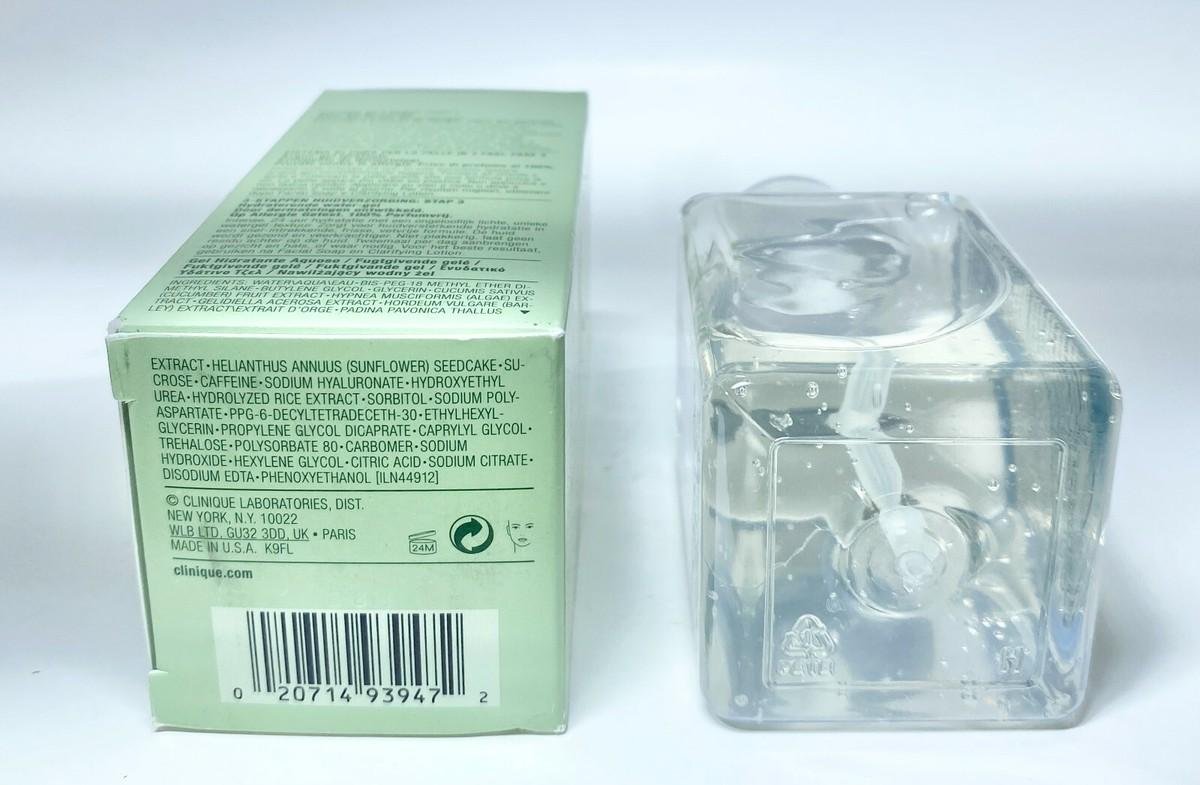
Cleanser. Serum. Moisturizer. Sunscreen. Foundation. Lip product. Deodorant. Body lotion. Hair products. Fragrance.
No individual product exists in isolation from everything else a person encounters during the day.
Researchers therefore aren't only interested in whether a particular chemical can interact with hormones. They're also interested in how much people are exposed to, where those exposures originate and what repeated or combined exposures could mean over time.
Some intervention studies have even examined whether changing the personal-care products people use can alter measured concentrations of certain chemical metabolites in the body.
Those findings can tell us something useful about exposure.
They still don't automatically tell us what that change means for an individual's long-term health.
That distinction is easy to lose once research reaches social media.
The Problem With the “Toxic Beauty” Conversation
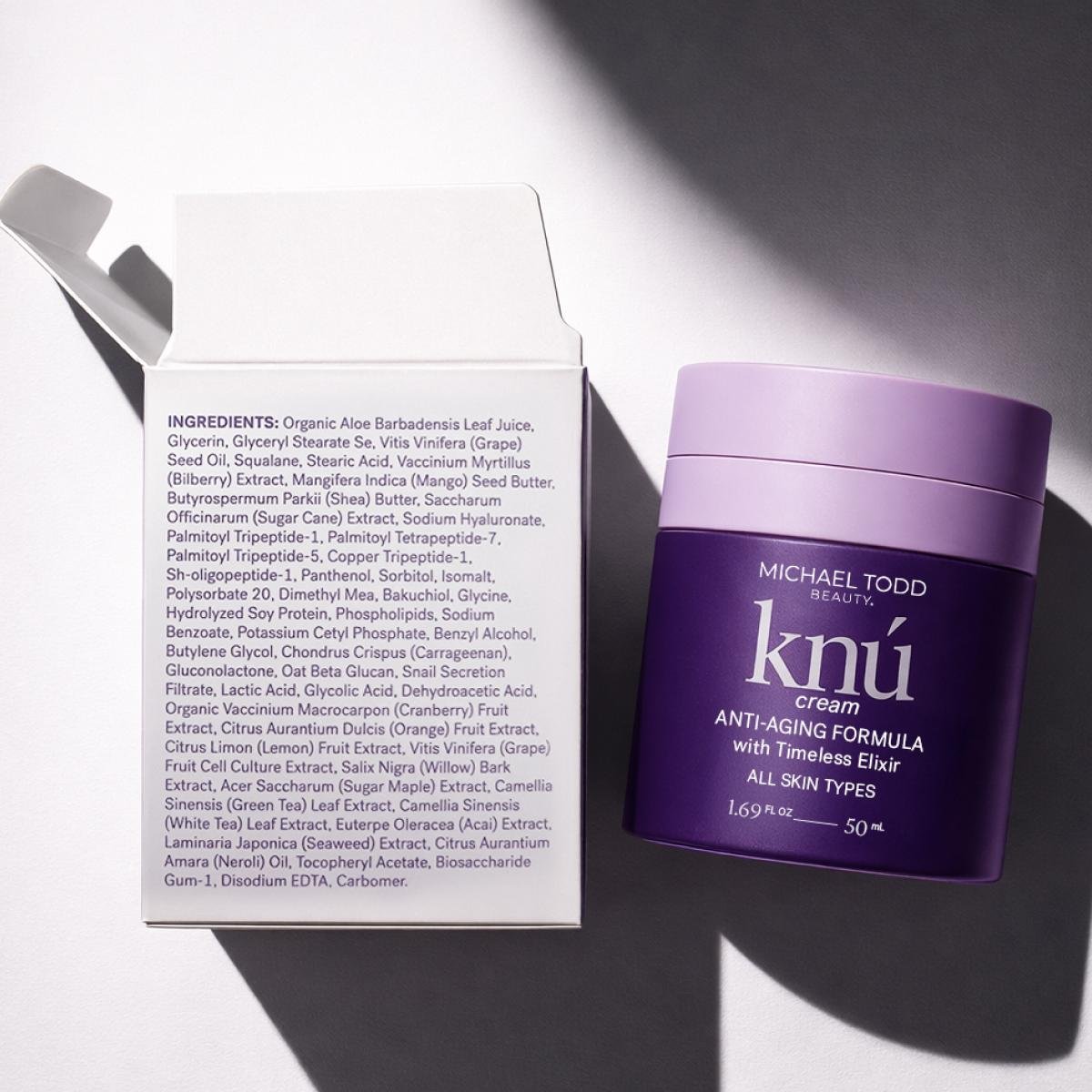
Beauty has developed a vocabulary that sounds scientific without always communicating much science.
Clean. Non-toxic. Chemical-free. Hormone-safe.
These terms can make shopping feel straightforward: one product is safe, another is dangerous.
Reality isn't that tidy.
Everything around us—including water—is made of chemicals. A naturally derived ingredient isn't automatically safer than a synthetic one. And the presence of an ingredient that has been studied for endocrine activity doesn't automatically establish that the finished product poses a meaningful health risk at its actual level and route of exposure.
On the other hand, dismissing consumer concern because an ingredient is legally permitted doesn't answer every scientific question either. Evidence evolves, exposure patterns change and regulators continue evaluating emerging data.
There is room between “everything is toxic” and “there is nothing worth thinking about.”
That's where useful information lives.
So, Should You Throw Away Your Products?
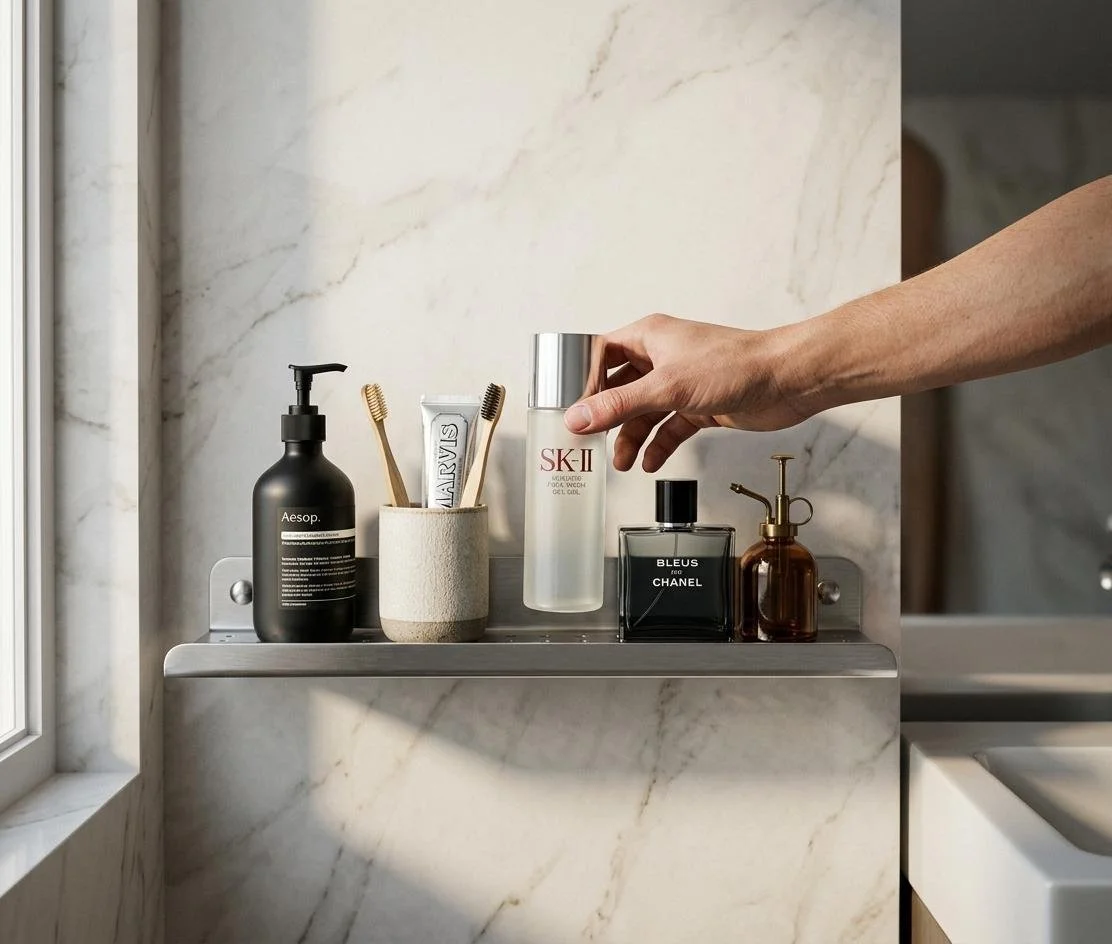
No evidence-based discussion of endocrine disruptors requires emptying your bathroom cabinet overnight.
Instead, start with information.
If you're concerned about a particular ingredient, ask:
What chemical are we actually talking about?
“Endocrine disruptors” describes a broad area of research, not one ingredient.
What does the study show?
Was the research conducted in cells, animals or humans? Did it measure exposure, hormone changes or an actual health outcome?
How much exposure was involved?
A chemical's effects can depend substantially on dose and route of exposure.
Does the evidence apply to the product I'm using?
Evidence about a chemical in one context isn't automatically evidence about every formulation containing it.
Those questions are less dramatic than an ingredient blacklist.
They're also far more useful.
Where Ingredient Transparency Matters
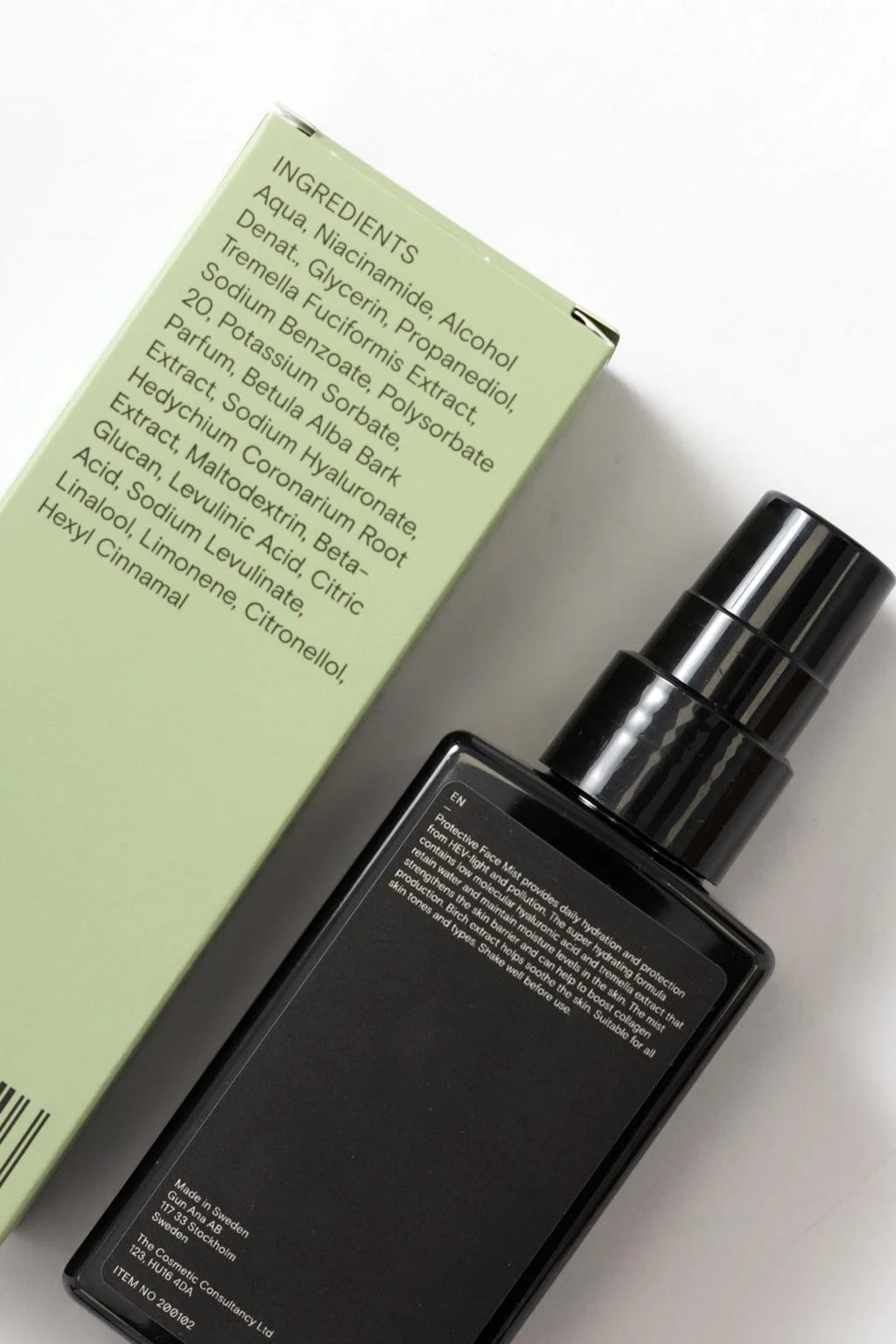
Consumers cannot evaluate information they aren't given.
That's why the conversation about endocrine disruptors also raises a broader issue for beauty: ingredient transparency.
Fragrance is a particularly important example. A fragrance formula can contain numerous individual materials while appearing on a cosmetic ingredient list under a collective term such as “fragrance” or “parfum,” subject to applicable labeling rules and protections for fragrance formulations.
That doesn't mean fragrance is inherently unsafe.
It does mean a consumer looking at a label may not always be able to identify every substance contributing to the scent.
For someone trying to avoid a particular ingredient—whether because of an allergy, sensitivity, pregnancy-related guidance or simply personal preference—that distinction matters.
Transparency doesn't determine whether a product is safe.
It gives people better information with which to make decisions.
A Better Way to Shop Beauty
You don't need a chemistry degree to buy moisturizer.
And consumers shouldn't be expected to independently conduct toxicological assessments in the beauty aisle.
But there are reasonable habits that make navigating claims easier.
Look for complete ingredient information when it is available. Be cautious when brands use fear-based language to market themselves against competitors. Treat “clean,” “natural” and “non-toxic” as claims that require context rather than guarantees of safety.
And when a viral post says a particular ingredient “disrupts your hormones,” look for the question that should come next:
At what exposure, according to what evidence, and what does that tell us about actual use?
That one question can change how you read an enormous amount of beauty information.
The Clèco Takeaway

The emerging research around endocrine-disrupting chemicals deserves attention.
It doesn't deserve panic.
There are legitimate scientific questions about environmental chemical exposure, personal-care products and reproductive health that researchers continue to investigate. But translating those questions into blanket declarations that an ingredient—or an entire beauty routine—is “toxic” can go beyond what the evidence actually establishes.
The more useful approach is informed caution: understand what is known, recognize what remains uncertain and demand enough transparency to make decisions that reflect your own priorities.
Because the goal shouldn't be to make you afraid of what's in your bathroom.
It should be to make it easier to understand what's there.
