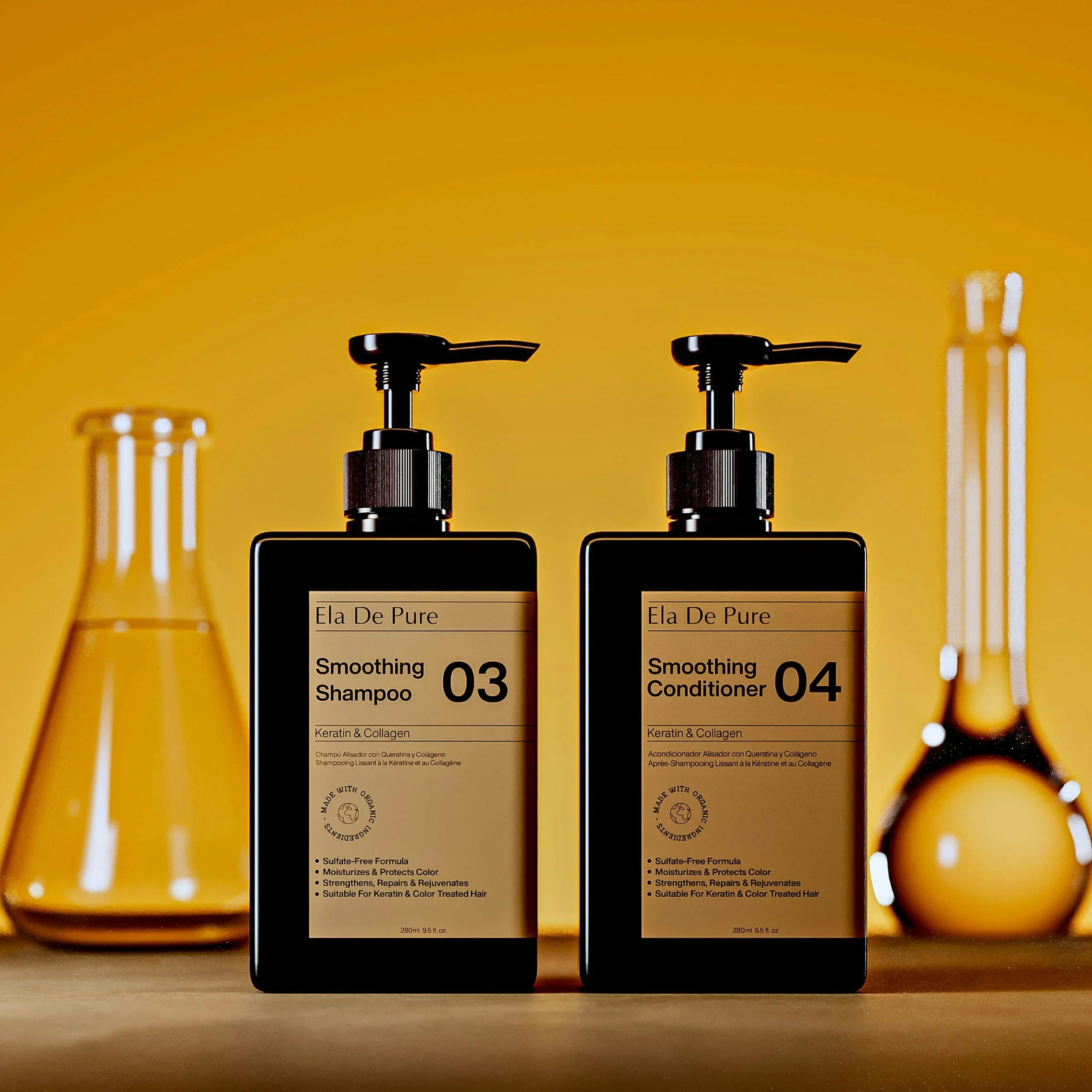
The price difference is obvious. The difference in performance isn't always.
By Clèco Editorial
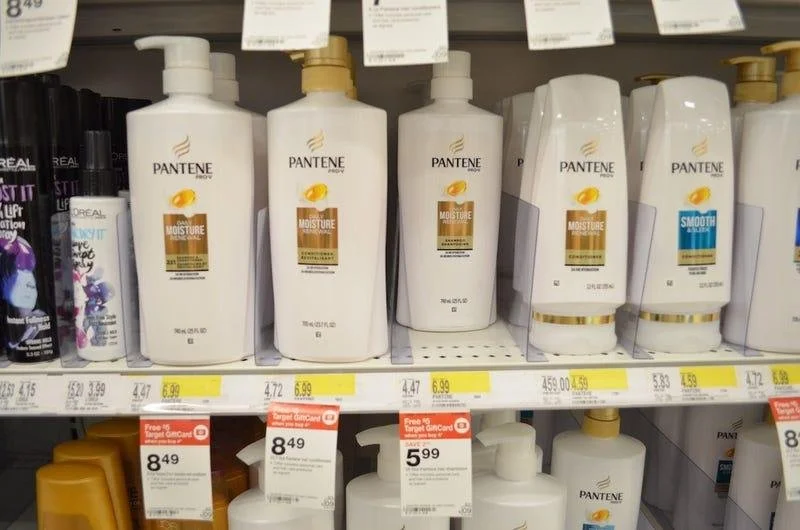
Walk into Sephora and a shampoo can cost $40. At Target, another bottle might cost $8. Both promise clean, soft, manageable hair. So what exactly are you paying for?
The short answer: Expensive shampoo isn't automatically better. Cleansing agents, conditioning ingredients, formulation and your hair's needs matter more than the price printed on the bottle.
What Actually Makes a Shampoo Work?
Most shampoos contain the same essential ingredient categories:
Ingredient categoryWhat it doesSurfactantsRemove oil, dirt and product buildupConditioning agentsReduce friction and improve manageabilityHumectantsHelp retain moistureFragranceProvide scent, not cleansing performancePreservativesHelp protect the formula from microbial contamination
A $40 shampoo and an $8 shampoo can use similar cleansing ingredients. Their concentrations, supporting ingredients and overall formulations may still differ substantially.
Does a Salon Shampoo Clean Better?
Not necessarily.
A shampoo's performance depends on how its ingredients work together, not simply whether it comes from a salon or a drugstore.
For example, a clarifying shampoo may remove heavy buildup effectively but leave dry hair feeling stripped. A gentler formula may suit frequent washing or a sensitive scalp.
Neither is universally better.
The Clèco distinction: A higher price may buy a different sensory experience, fragrance, packaging or specialized formulation. It does not guarantee better results for every hair type.
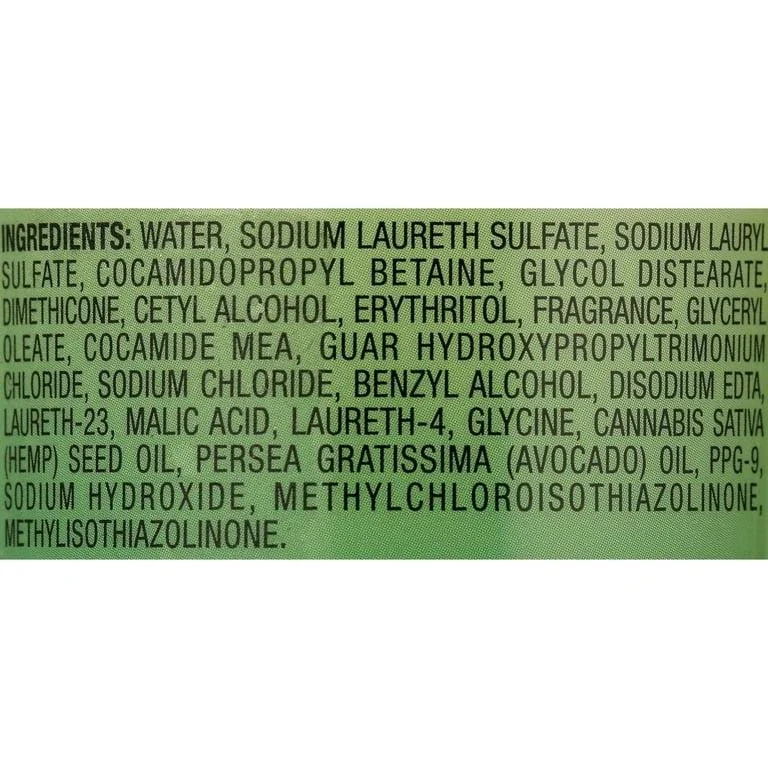
How to Read a Shampoo Label in 30 Seconds
Check the cleansing agents. Sodium laureth sulfate, sodium cocoyl isethionate and cocamidopropyl betaine are examples of ingredients used in cleansing systems.
Look for conditioning ingredients. Polyquaterniums, silicones and certain fatty ingredients can improve slip and manageability.
Consider fragrance. A heavily fragranced formula may not suit a sensitive scalp.
Compare the bottle size. A lower sticker price doesn't always mean a lower cost per wash.
What About Sulfates?
Sulfates aren't automatically bad.
They are effective cleansers, although some sulfate-containing formulas may feel too strong for certain hair types or washing routines. A sulfate-free shampoo can also be drying, depending on the complete formulation.
The Verdict
Buy shampoo for your scalp, hair condition and cleansing needs—not its prestige.
A well-formulated $8 shampoo may outperform a $40 alternative for one person, while someone else may benefit from a specialized salon formula.
Price isn't proof. Performance is the point.
The Questions Worth Asking
Is expensive shampoo worth it? Sometimes, particularly when a specialized formula delivers benefits you can actually notice.
Does salon shampoo last longer? Not necessarily. Compare how much product you use per wash.
What matters most on the label? The cleansing system, conditioning ingredients and suitability for your scalp and hair.
Continue Reading
Explore What “Clinically Proven” Actually Means, The Tiny Jar Symbol That Tells You When to Throw It Out, and Clèco's The Difference series.
