Prada Designed the Future of Skincare in 1999. The Industry Is Finally Catching Up.
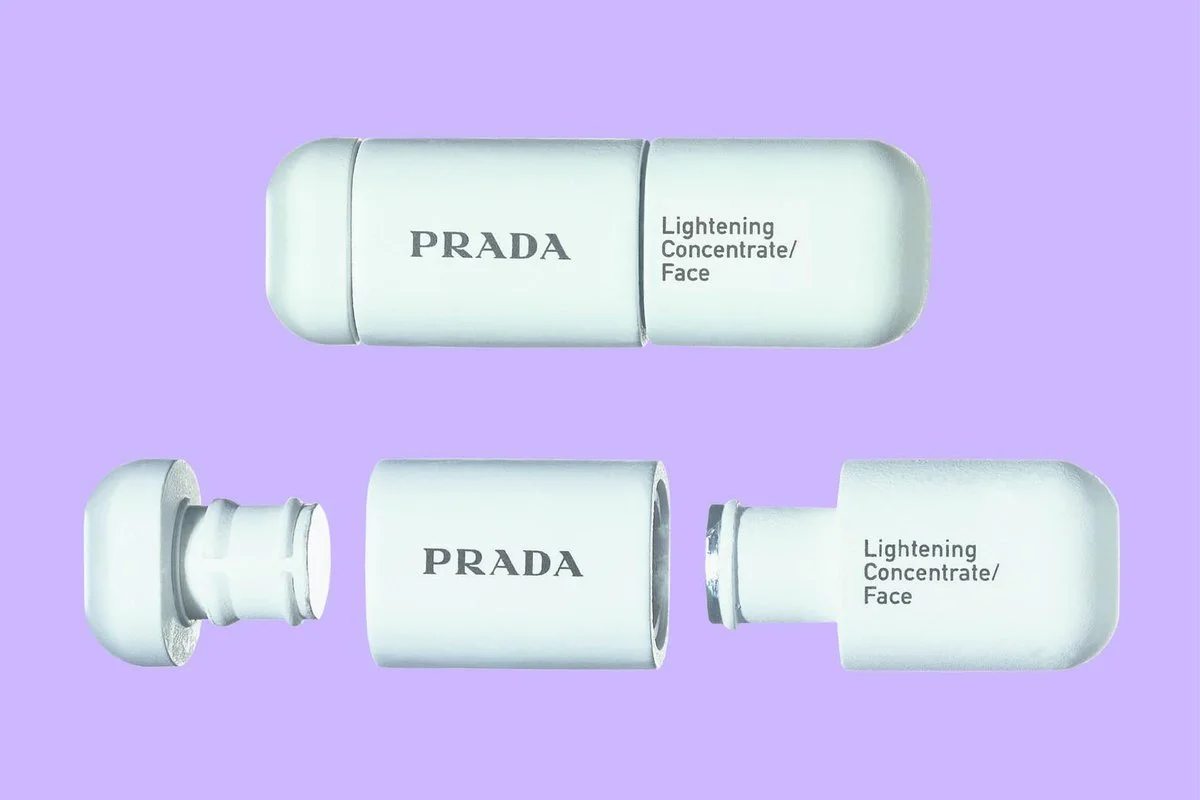
Prada's experimental skincare collection, designed by Karim Rashid around 2000, challenged traditional ideas of luxury packaging through sculptural forms, single-dose applications, and minimalist industrial design. The image is included for editorial commentary and historical reference.
Before refillable packaging became a sustainability strategy and before minimalist skincare dominated luxury shelves, Prada quietly introduced one of beauty's most radical ideas.
Around 1999–2000, Prada partnered with industrial designer Karim Rashid to create a skincare collection that looked less like cosmetics and more like the future. Instead of heavy glass jars and gold lids—the symbols of luxury at the time—the collection featured sculptural single-dose capsules, translucent materials, and an almost clinical simplicity.
It wasn't designed to look expensive.
It was designed to look intelligent.
More than two decades later, many of the biggest names in beauty are moving toward the same philosophy.
Luxury Is Becoming Less Decorative
For years, prestige skincare relied on visual cues that communicated value through weight, ornamentation, and excess. Thick glass, metallic finishes, oversized jars, and elaborate typography suggested that luxury had to be seen before it could be experienced.
Today's consumer is beginning to value something different.
Modern luxury increasingly communicates precision rather than decoration. Refillable systems, thoughtful ergonomics, reduced packaging, and functional design now signal innovation just as much as premium ingredients.
The product isn't competing for attention.
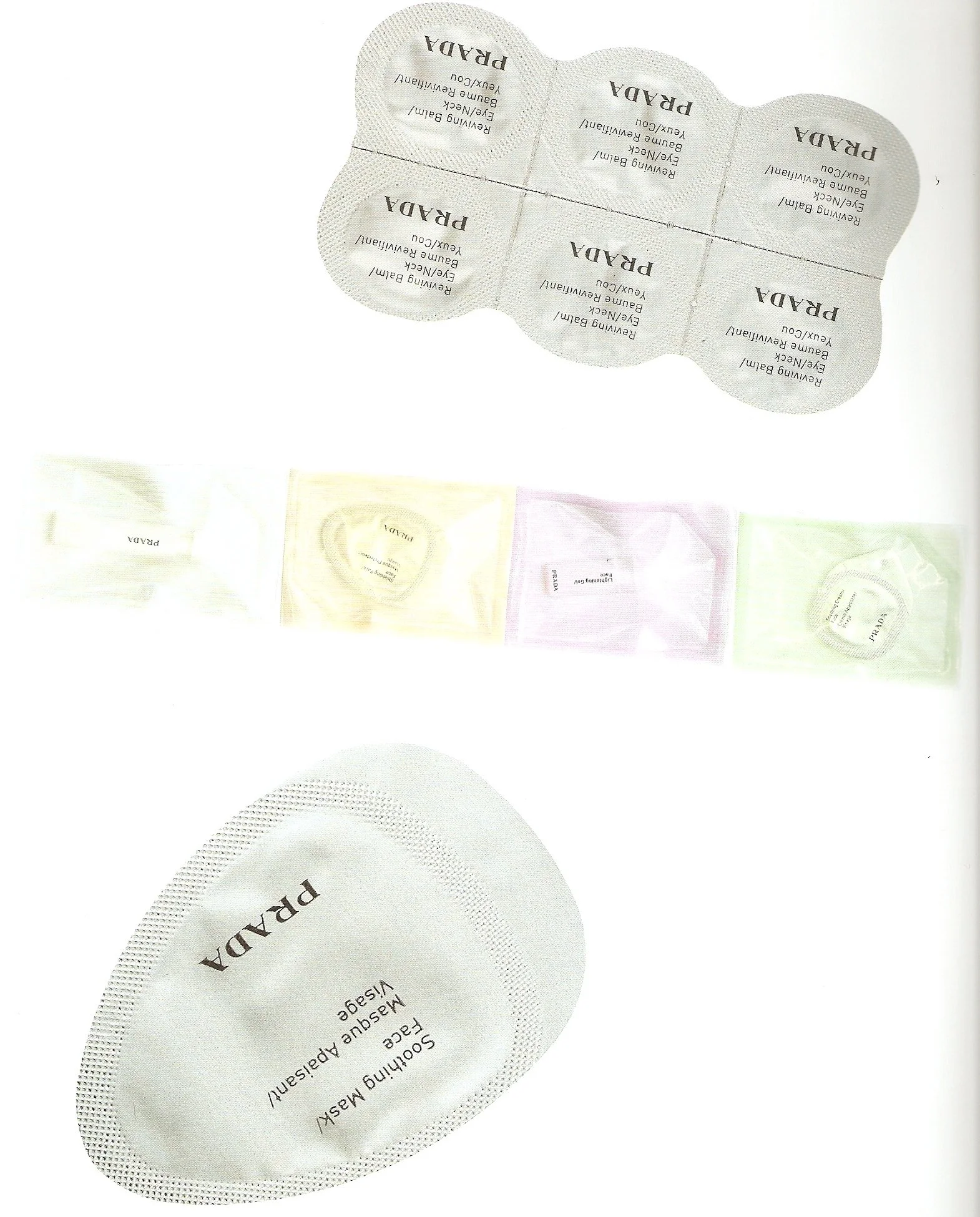
Prada's experimental skincare collection, designed by Karim Rashid around 2000, challenged traditional ideas of luxury packaging through sculptural forms, single-dose applications, and minimalist industrial design. The image is included for editorial commentary and historical reference.
It's earning trust.
Karim Rashid Saw This Shift Before Everyone Else
Karim Rashid has long believed that industrial design should improve everyday rituals instead of simply making objects attractive.
His work for Prada embraced soft organic forms, intuitive handling, and packaging that felt almost pharmaceutical in its precision. Every design choice reduced visual noise while making the experience of using the product more intentional.
Looking back, the collection feels remarkably contemporary—not because it followed trends, but because it anticipated how consumers would eventually think about beauty.
What It Means for Beauty Today
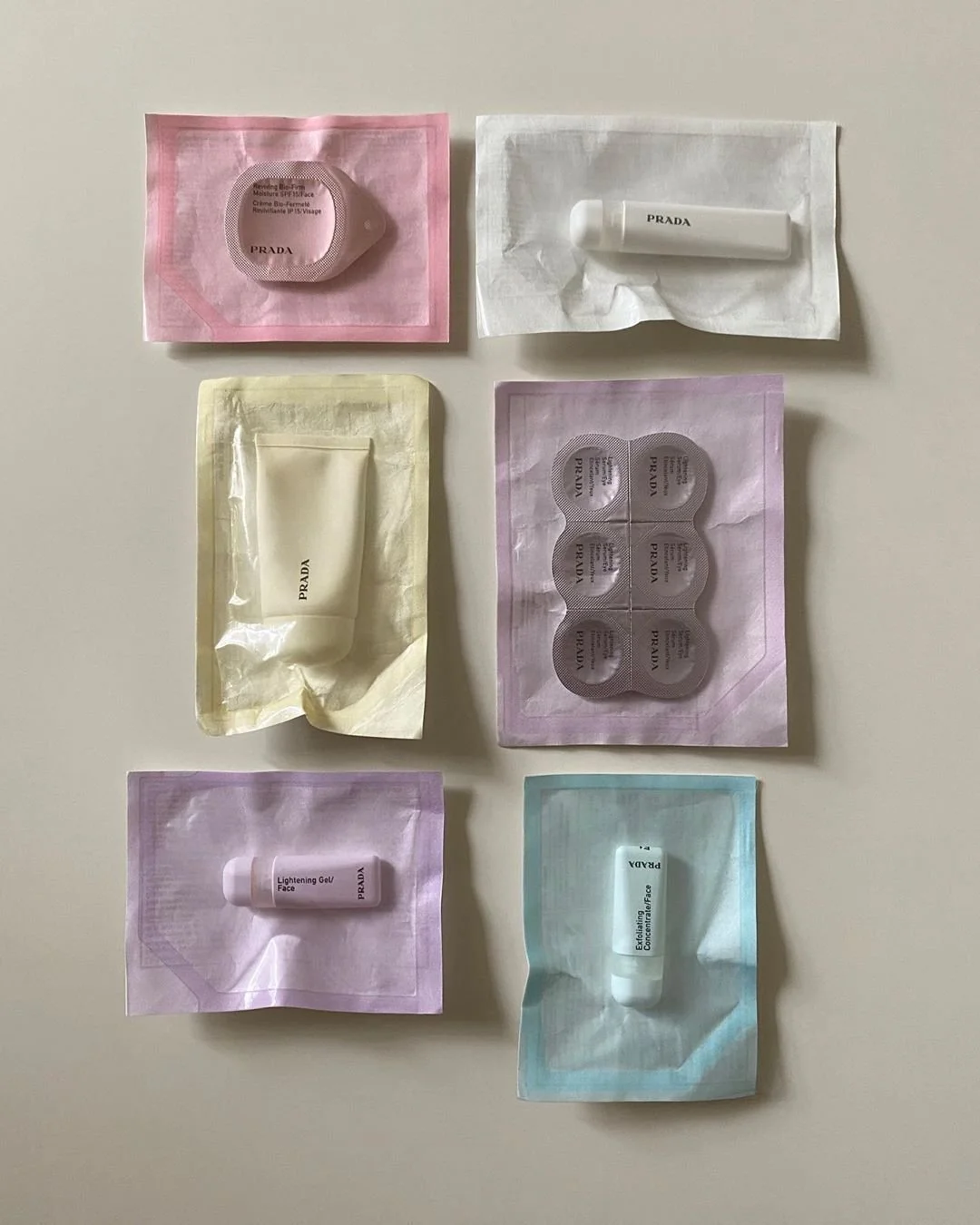
Prada's experimental skincare collection, designed by Karim Rashid around 2000, challenged traditional ideas of luxury packaging through sculptural forms, single-dose applications, and minimalist industrial design. The image is included for editorial commentary and historical reference.
As consumers become more ingredient-literate and sustainability-conscious, packaging is evolving from decoration into communication.
The most forward-thinking brands increasingly ask different questions:
Does this package reduce waste?
Is it intuitive to use?
Does it protect the formula?
Does every design decision have a purpose?
Luxury is no longer measured by how elaborate something appears.
It's measured by how intelligently it's designed.
The Clèco Insight
The Prada x Karim Rashid collaboration reminds us that truly influential design rarely looks fashionable in its own moment.
It often looks unfamiliar.
The brands shaping the next decade of beauty won't necessarily have the loudest packaging or the most complicated designs. They'll create products whose materials, functionality, and aesthetics work together so seamlessly that the design almost disappears.
That's when design stops being decoration—and becomes innovation.
Continue Reading: Why Every Luxury Brand Is Dressing Like It's 1999 Again
