The first sign may be a fuller brush. Then there are more strands on your sweater, in the shower, or caught between your fingers on wash day. It is tempting to blame the change in weather, especially when the timing feels familiar. Autumn shedding can happen, though the season alone cannot tell you why you are losing hair.

Hair follicles move through growth, rest, and shedding phases. In one study that followed 14 men for 18 months, the number of shed hairs peaked around August and September. A separate analysis of 823 women seeking care for hair loss found a seasonal pattern in resting hairs, with the highest proportion in summer. Those studies suggest that timing can play a role. They do not establish that everyone will shed more each autumn. pubmed.ncbi.nlm.nih.gov
What looks like sudden shedding may have started months earlier.
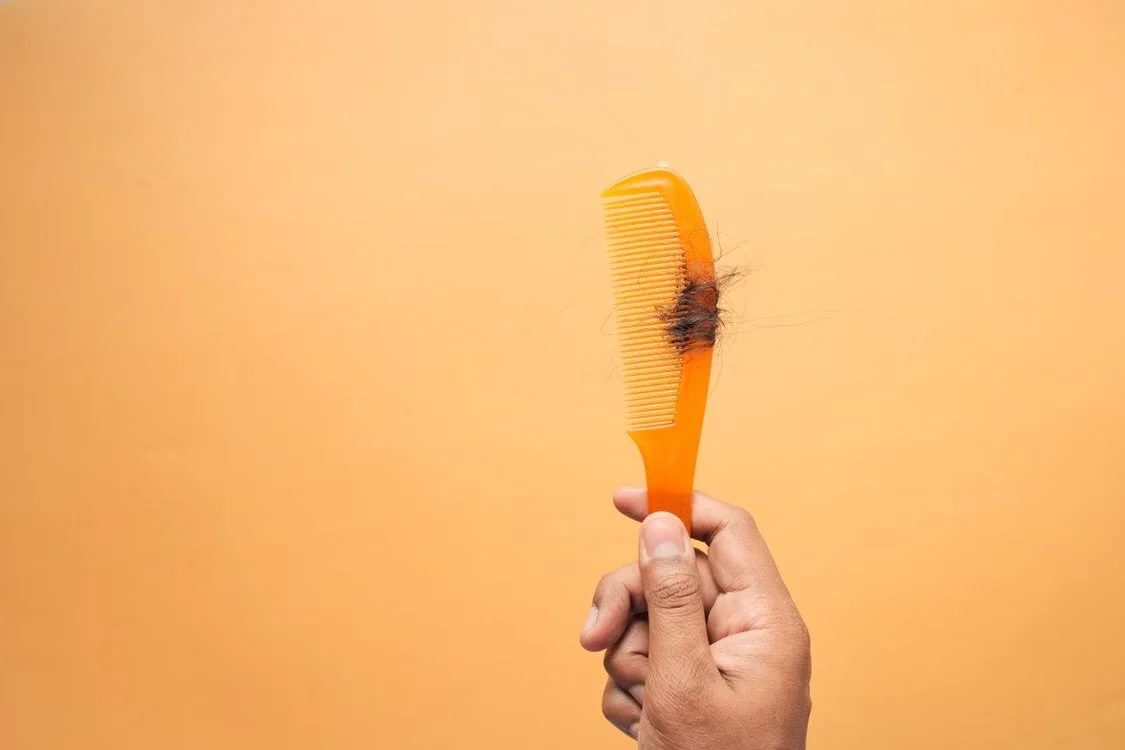
After an illness, surgery, major stress, childbirth, or substantial weight loss, more hairs can enter the resting phase. The extra shedding often becomes noticeable a few months later. A stressful summer, for example, may show up in your brush during autumn. aad.org
How often you handle your hair changes what you see, too. Normally, people shed roughly 50 to 100 hairs a day, with the amount visible at any one time depending partly on washing and combing routines. If you wear curls, coils, braids, or a style you leave undisturbed for several days, shed strands may stay caught in the hair until you detangle. A dramatic wash day can therefore represent several days of shedding collected at once. dermnetnz.org
The pattern matters more than one handful of hair. Are you seeing a fairly even increase across the scalp, or a widening part, a distinct patch, or thinning along the edges? Are the strands full length, or are many short pieces breaking off? Tight styles can contribute to traction hair loss, while hair damage can cause breakage. Iron or protein deficiency, thyroid disease, and some medications are among the other possible causes of hair loss. aad.org

If the amount concerns you, photograph your part and hairline in consistent lighting and note when the change began. Think back over the previous few months for illness, stress, weight changes, or changes in medication. A dermatologist can examine the scalp, distinguish shedding from other forms of hair loss, and decide whether further evaluation is needed. Autumn may explain the timing. Your pattern and history help explain the cause.
