Patrick McDowell Is Rethinking Luxury: What If Your Clothes Could Evolve With You?
The London designer is making a case for fashion that can be repaired, reimagined, and passed down rather than replaced.
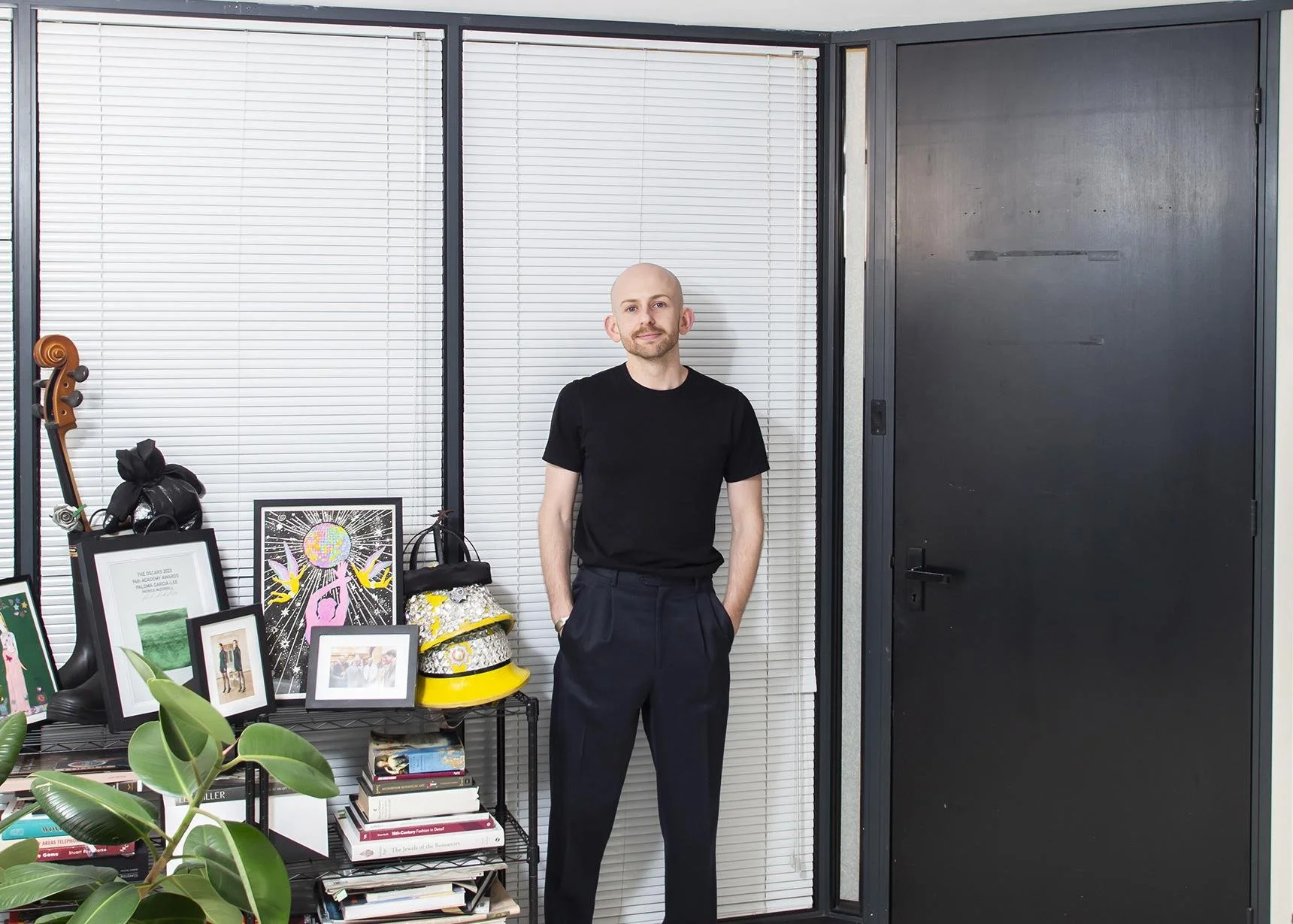
What if the dress you bought today could be redesigned ten years from now? Or the jacket you loved could be altered to fit someone you love?
For London-based designer Patrick McDowell, these possibilities are part of a different approach to luxury—one where the relationship between a brand and its customer doesn't end at checkout.
Fashion Designed for More Than One Lifetime
McDowell's circular fashion model considers what happens to a garment long after its first wear.
The brand offers repair, refitting, and redesign services, allowing customers to adapt pieces as their bodies, preferences, and circumstances change. Garments can even be adjusted for family members or loved ones who inherit them.
It's an approach that challenges one of fashion's most familiar habits: replacing something simply because it no longer fits our lives.
Instead, the garment evolves with its owner.
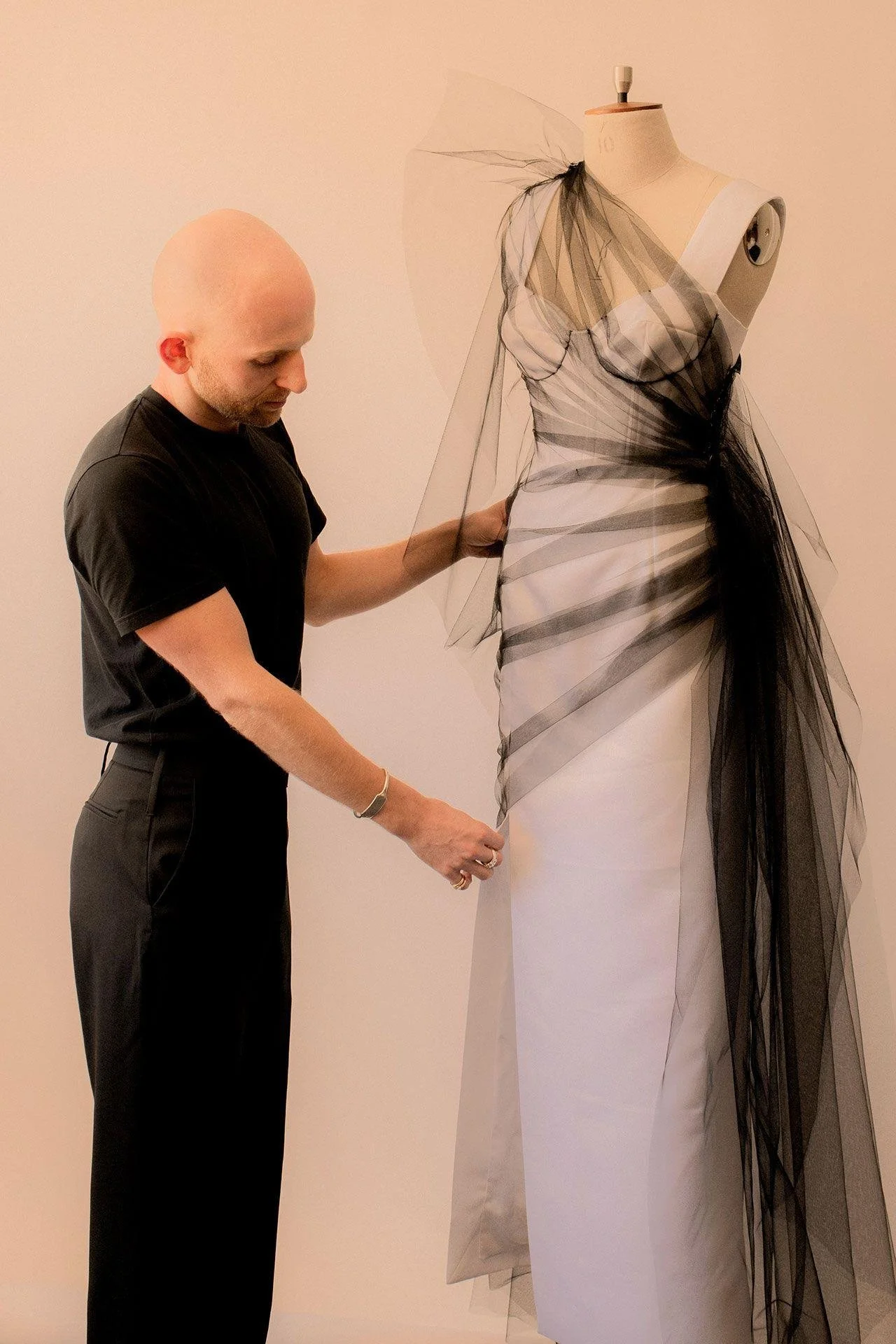
Giving Heirlooms a Second Life
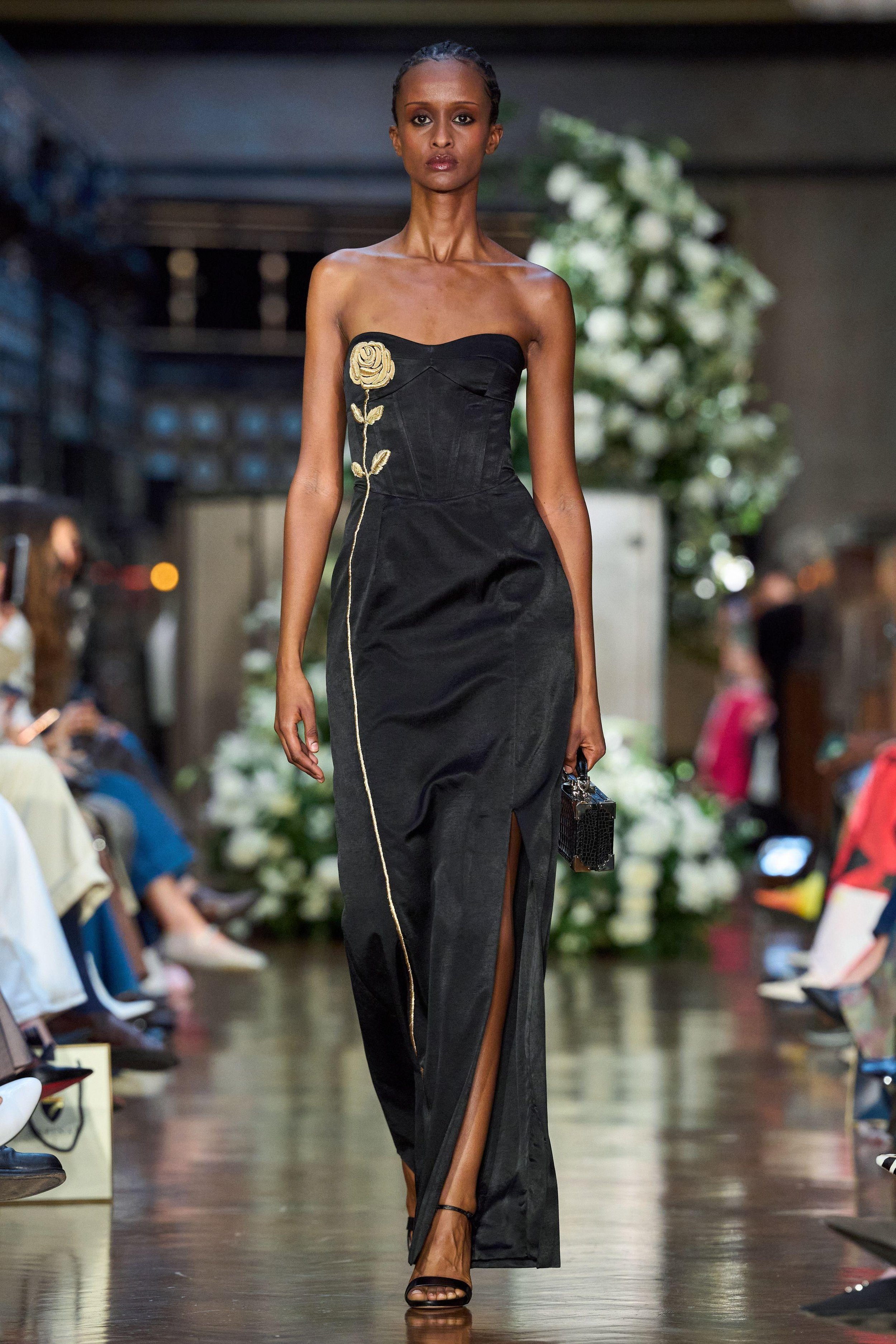
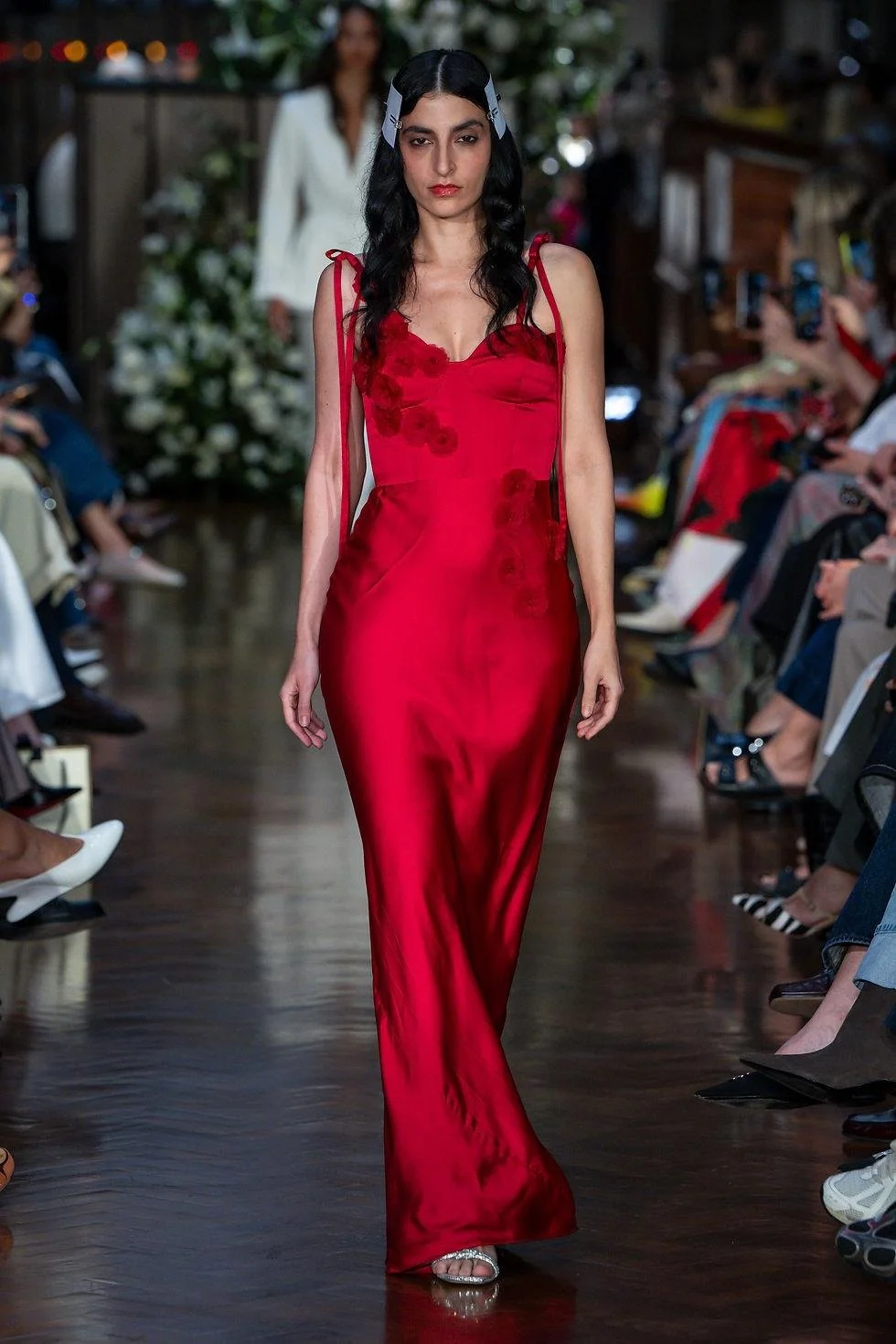
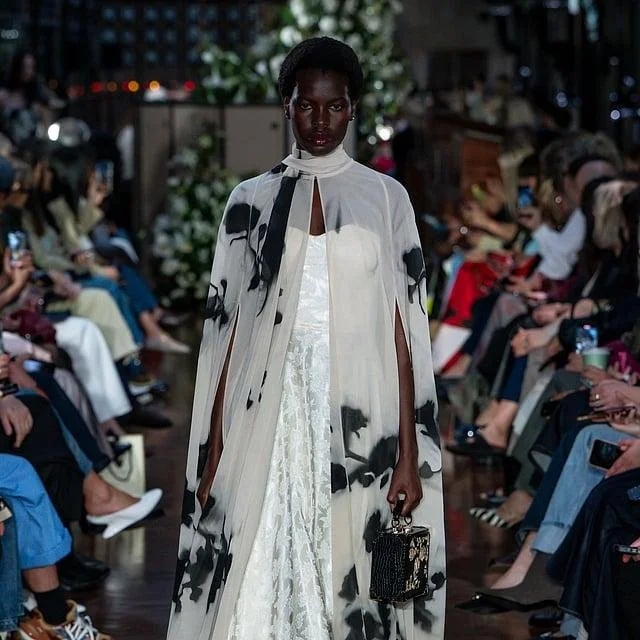
Through the brand's bespoke service, treasured family textiles can be transformed into contemporary designs.
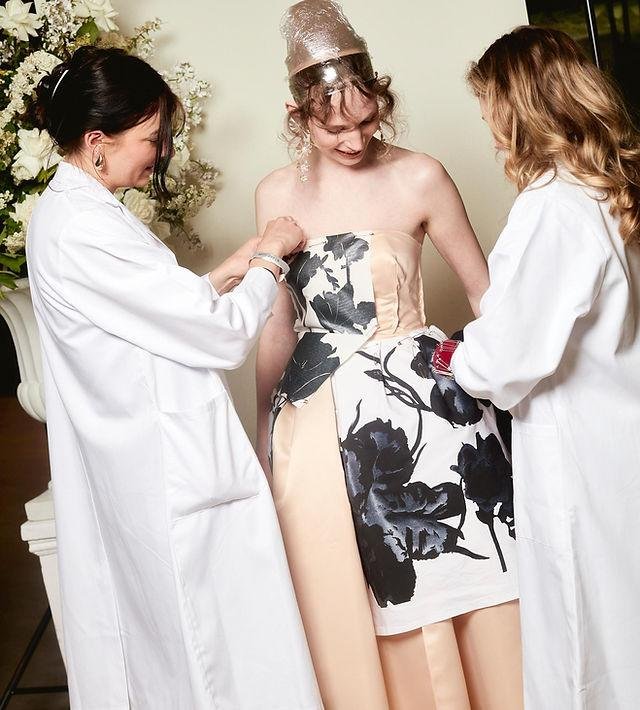
An inherited fabric doesn't have to remain folded away in storage. It can become something wearable again, preserving its sentimental value while giving it a new purpose.
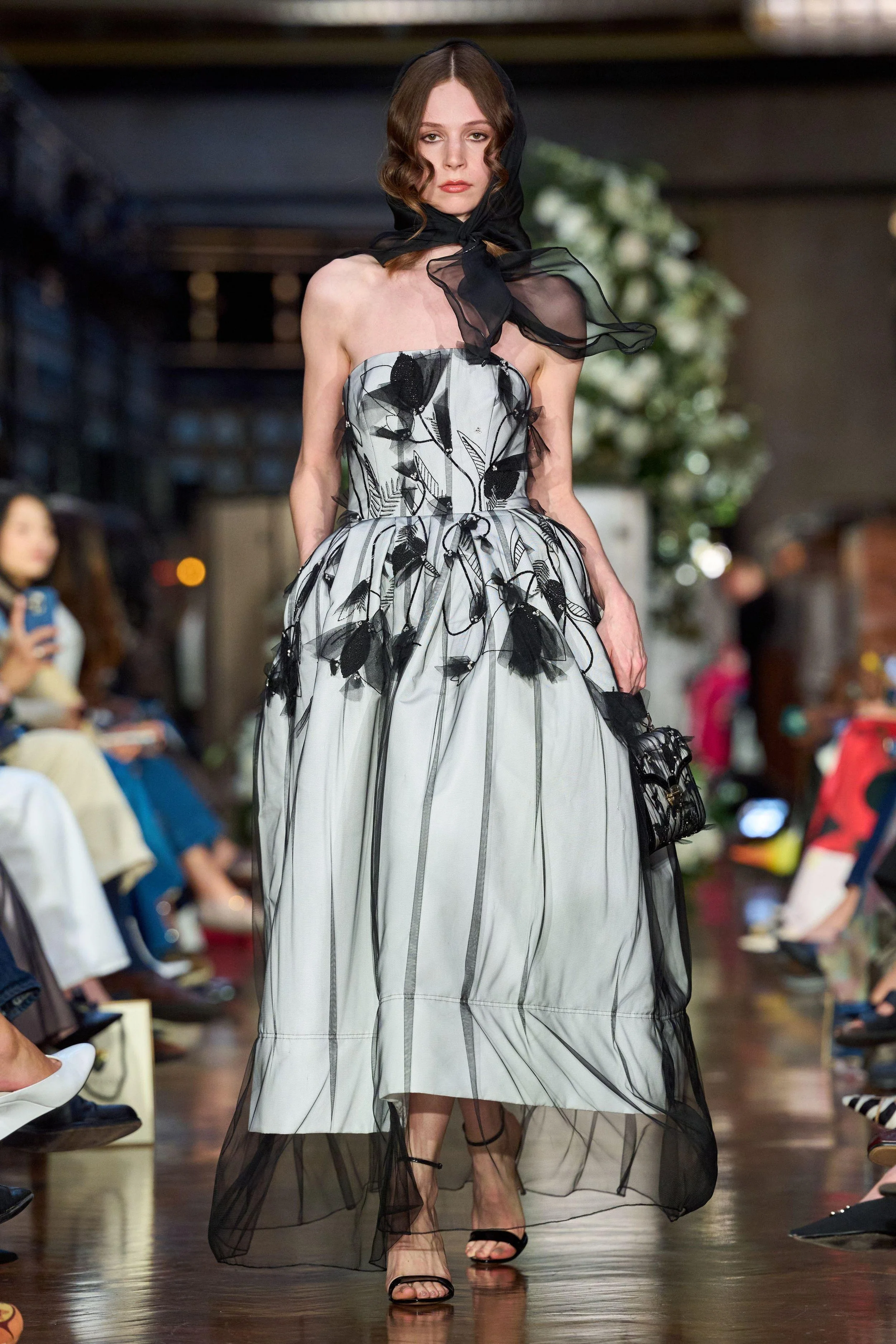
The approach reflects McDowell's commitment to craftsmanship and circularity, which earned the designer the Queen Elizabeth II Award for British Design in 2025.
It's also a reminder that sustainability in fashion isn't always about inventing new materials. Sometimes, it's about finding better ways to use what already exists.
Is This the Future of Luxury?
Luxury has traditionally been associated with exclusivity, craftsmanship, and beautiful materials. McDowell's approach introduces another consideration: what happens after the purchase?
A beautifully made garment is valuable. A beautifully made garment that can be repaired, refitted, and redesigned has the potential to remain useful for much longer.
Of course, bespoke services aren't accessible to everyone, and repair alone doesn't make a fashion business environmentally sustainable. But the underlying principle applies beyond luxury fashion.
A local tailor, a skilled alterations specialist, or a thoughtful redesign can extend the usefulness of clothing we already own.
The Clèco Takeaway
Before your next wardrobe investment, consider three questions:
Can it be repaired? Look for durable construction and materials that can withstand continued wear.
Can it be altered? Consider whether the garment could accommodate changes in fit or style.
Will I want to keep it? Choose pieces with enough versatility and personal value to remain relevant beyond a season.
McDowell's work offers a compelling way to reconsider what makes clothing worth investing in.
Perhaps the future of luxury isn't simply owning something beautiful.
It's owning something beautiful enough to keep—and having the means to keep it in use.
