By Clèco Editorial | Fashion | REFRΛME

The fashion industry rarely suffers from a shortage of new ideas, collections or brands. What it does suffer from is an abundance of waste. For Anne Turtaut, founder of SINTHS, that distinction became the starting point for an entirely different approach to fashion.
Turtaut began her career in fashion at a young age, launching her first brand, manufacturing in China and distributing internationally. Looking back, she describes that experience as an education in what she would eventually do differently.
After exploring interior design and communications, she returned to her first love with a renewed sense of purpose.
“Obviously, this world doesn't need another fashion brand,” she tells us during our REFRΛME conversation.
Instead of asking what was missing from consumers' wardrobes, Turtaut began asking what was missing from the industry itself.
Beyond the Sustainability Label
With SINTHS, Turtaut explores an approach to clothing that considers not only how a garment is made and worn, but what happens to it when it is no longer needed.
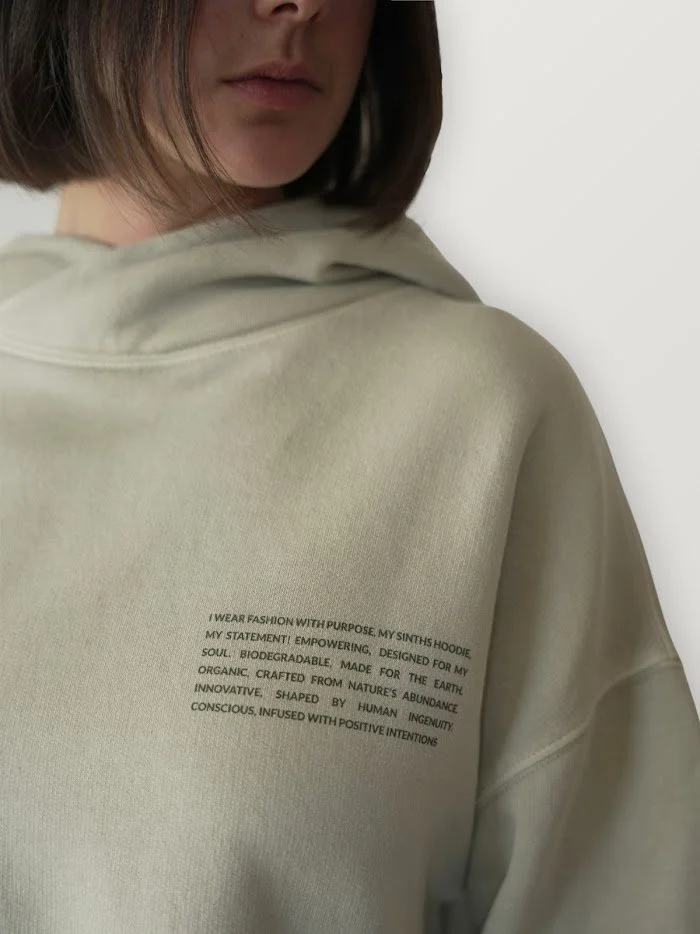
Biodegradability, material choices and the relationship between clothing and waste are central to her vision.
It is a perspective that challenges the increasingly familiar language of sustainable fashion. In an industry where environmental responsibility has become as much a marketing tool as a design consideration, SINTHS invites a more fundamental question: What responsibility does a designer have for what their creations leave behind?
Watch the conversation
In this episode of REFRΛME, Anne Turtaut discusses the realities of building a more environmentally conscious fashion brand, the limitations of conventional production and why the industry needs more than sustainability certificates to create meaningful change.
From Ego to Eco
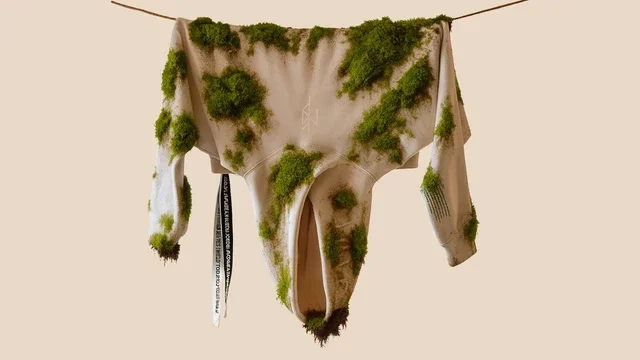
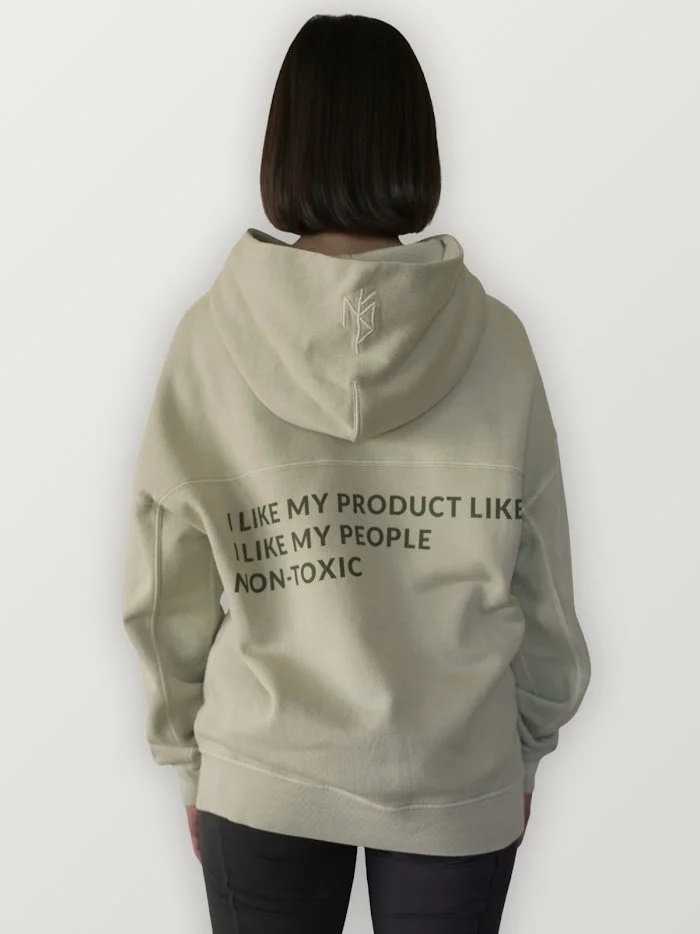
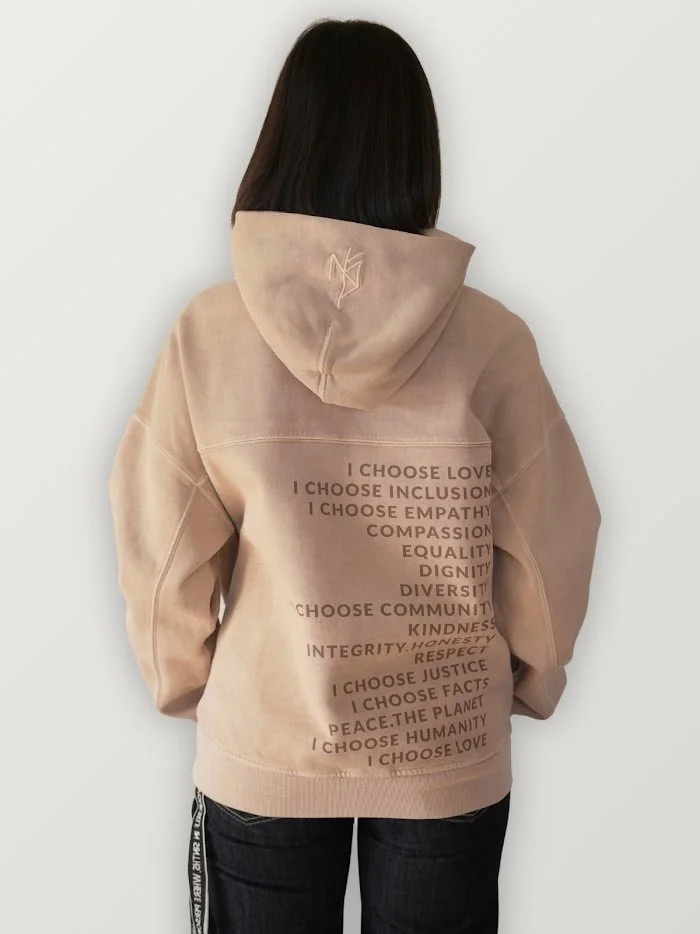
For Turtaut, clothing is also a medium for communication. Beyond its aesthetic appeal, a garment can carry a message, provoke thought and create an emotional connection with the person wearing it.
Her philosophy reflects a movement away from individual recognition and toward collective responsibility — a shift she describes as moving “from ego to eco.”
That ambition does not make the entrepreneurial journey any easier. Building a brand that questions established systems requires persistence, experimentation and a willingness to work against industry conventions.
Her advice to those pursuing a similar path is simple: “Don't give up.”
Rethinking What Fashion Leaves Behind
Perhaps the most compelling aspect of Turtaut's story is not that she returned to fashion, but that she returned willing to question the very industry she loved.
At a time when sustainability is increasingly used to sell more products, her approach asks us to consider whether progress might instead be measured by what we leave behind.
The future of fashion may not depend on how much more we can create, but on how thoughtfully we choose to create it.