Who decided a capsule wardrobe had to mean camel coats, cream sweaters, and fifty shades of oatmeal? A considered winter wardrobe can be colorful, expressive, and still remarkably easy to wear.
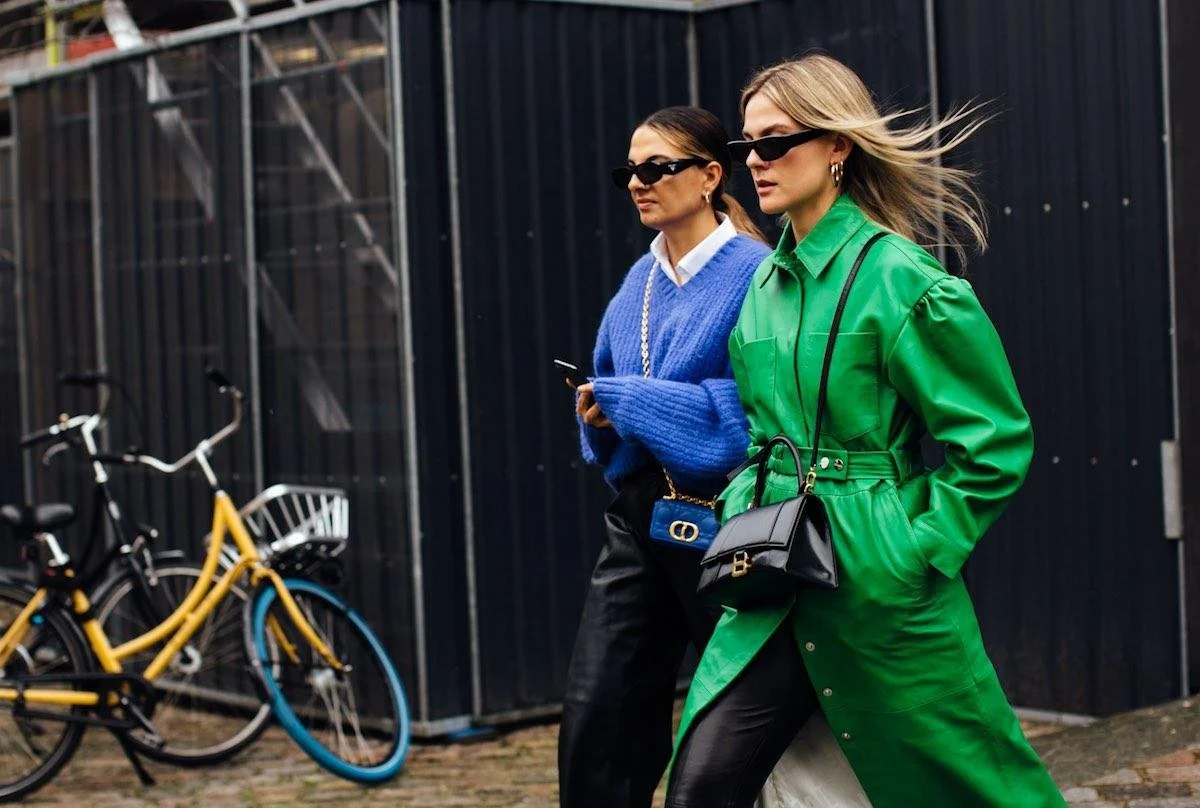
Somewhere along the way, the capsule wardrobe developed a very specific aesthetic.
A camel coat. A white shirt. A beige cashmere sweater. Black trousers. Perhaps a perfectly folded cream knit draped over someone's shoulders.
It's a beautiful formula, certainly.
But it isn't the only one.
The original appeal of a capsule wardrobe was never supposed to be about removing personality from getting dressed. It was about creating a collection of clothes that work together, suit your lifestyle, and reduce the need for constant purchasing.
Color doesn't undermine that philosophy.
In fact, a thoughtfully chosen palette can make a smaller wardrobe feel considerably more interesting.
First, Forget the Idea That Neutral Means Beige
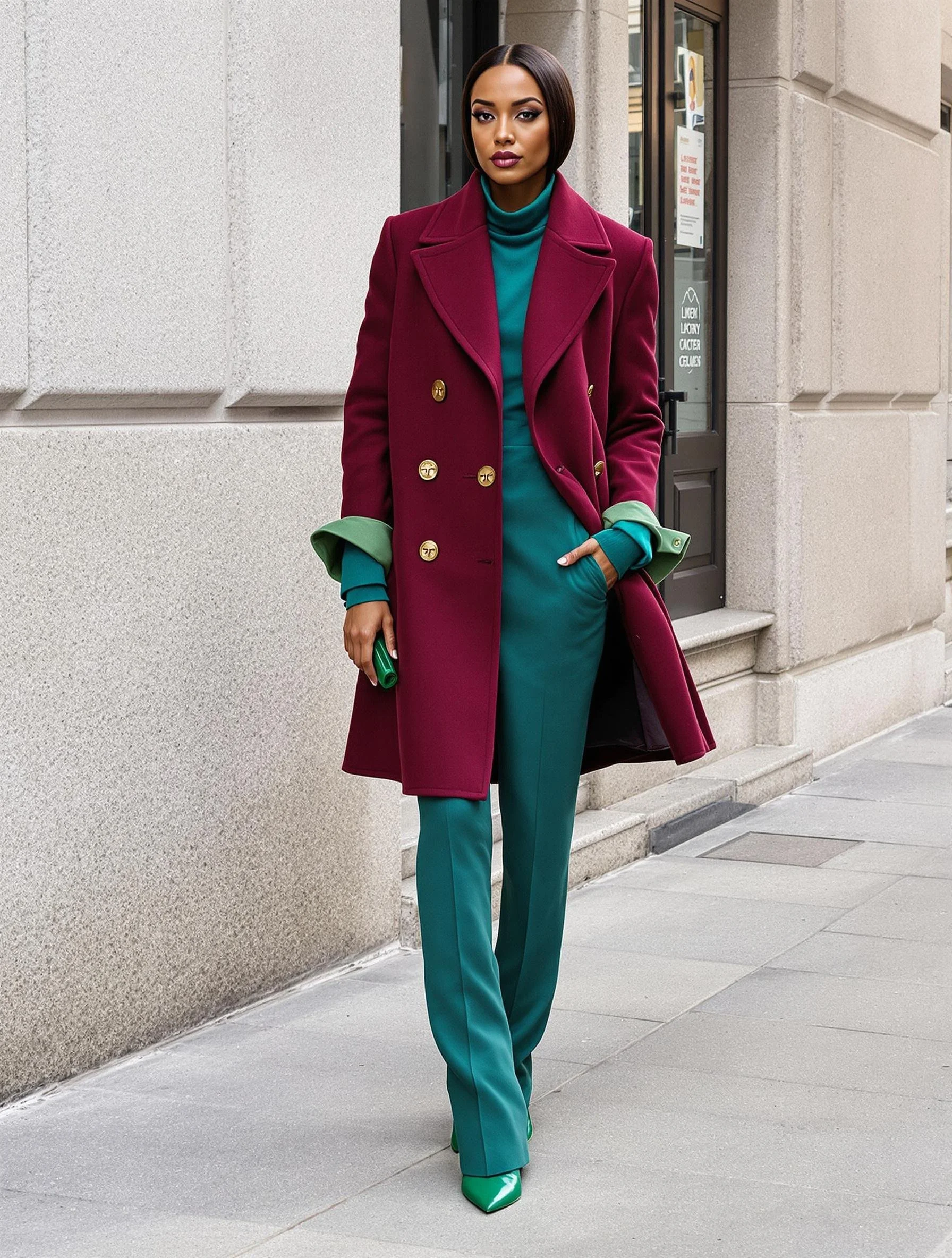
A neutral is simply a color that works easily with others in your wardrobe.
For some people, that's black, navy, or charcoal. For others, it might be chocolate brown, olive green, or deep burgundy.
Even a distinctive shade can function as a personal neutral when it appears consistently throughout your clothes.
Consider someone whose wardrobe revolves around navy, denim, burgundy, and pale blue.
Those colors can create just as many cohesive outfits as a closet filled with camel and ivory.
The difference is that the result feels more personal.
Instead of asking which colors are traditionally considered timeless, ask which ones you repeatedly enjoy wearing.
Build a Palette, Not a Uniform
The easiest way to create a colorful capsule wardrobe is to begin with a limited, intentional palette.
Choose two grounding colors, two supporting shades, and one accent.
For example:
The Modern Winter Palette
Grounding colors: Navy and chocolate brown
Supporting shades: Powder blue and burgundy
Accent: Butter yellow
This combination offers contrast without feeling chaotic.
Navy trousers work with a powder-blue sweater. Chocolate-brown boots complement burgundy knitwear. A butter-yellow scarf adds an unexpected detail to a dark winter coat.
The colors don't need to match perfectly.
They simply need enough shared relationships to make getting dressed intuitive.
And if you prefer emerald, cobalt, plum, or bright red, the same principle applies.
The Pieces Worth Building Around
A capsule wardrobe doesn't require a fixed number of garments.
The ideal collection depends on your climate, lifestyle, laundry routine, and how often you dress for different occasions.
For a winter wardrobe that moves between work, weekends, and social occasions, these pieces offer a useful starting point.
1. A Coat That Makes the Outfit
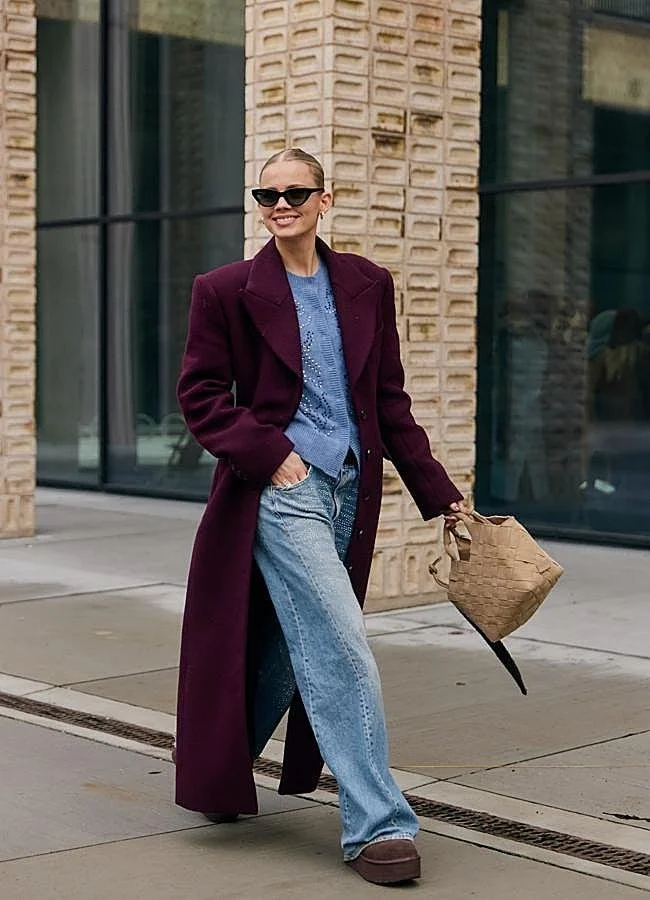
Instead of automatically choosing camel or black, consider a deep burgundy wool coat, a structured navy overcoat, or a rich chocolate-brown style.
Outerwear occupies a large part of your visible winter outfit, making it one of the most effective places to introduce color.
Look beyond the shade and examine the fabric composition, lining, seams, and overall construction.
A beautiful coat should also suit the temperatures you regularly experience.
2. Knitwear With Personality
Winter is arguably the best season to experiment with color through texture.
Think powder-blue merino wool, forest-green cashmere, a plum cardigan, or a fine-gauge red turtleneck.
A small collection of complementary knits can transform the same trousers or skirt into several distinct outfits.
Prioritize comfort, appropriate warmth, and ease of care.
And remember that a higher price doesn't automatically mean a sweater will resist pilling or last longer.
3. Trousers That Work Beyond the Office
Well-cut trousers in navy, charcoal, or chocolate brown can move between professional and casual settings.
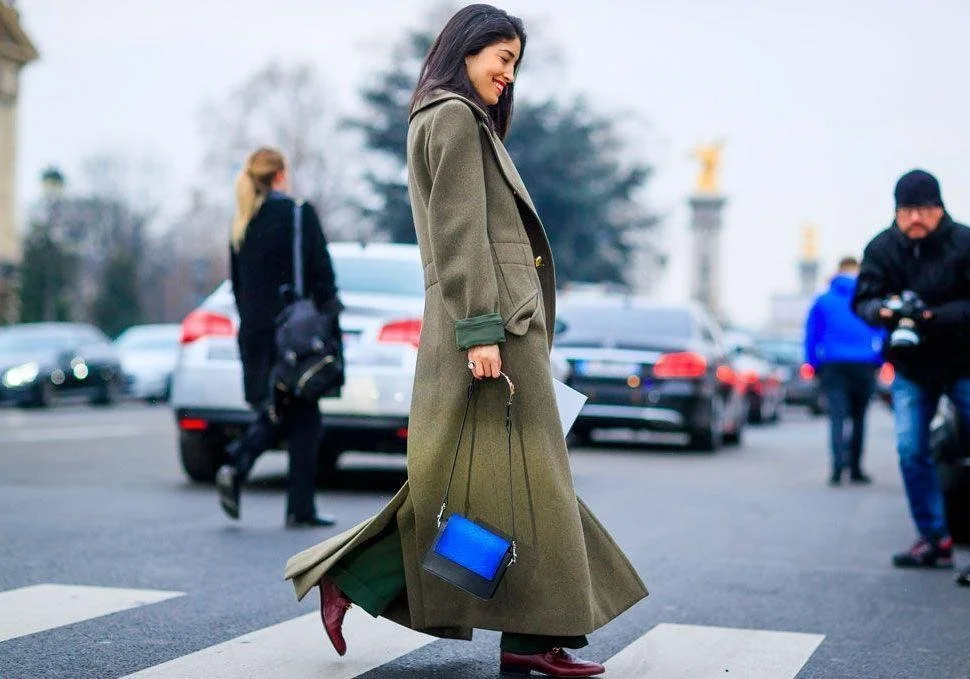
A relaxed wool-blend trouser paired with a colorful sweater feels effortless during the day.
Add a structured jacket, jewelry, and a different shoe, and the same foundation can work for dinner.
The value lies in versatility, not in owning the most minimal-looking piece.
4. Denim That Fits Your Life
A good pair of jeans remains one of the most practical elements of a winter capsule.
Dark indigo offers a polished alternative to black, while classic blue denim can soften more structured pieces.
Choose the silhouette that works with your preferred shoes, outerwear, and proportions.
Trends may influence what catches your eye, but fit and comfort determine what you'll actually wear.
5. One Piece That Feels Like You
This is where many capsule wardrobes become unnecessarily restrictive.
Perhaps you love a sculptural skirt, a printed silk blouse, a cobalt-blue jacket, or a dramatic knit dress.
Keep it.
A wardrobe doesn't become less functional simply because it contains something memorable.
The goal is to make sure that piece works with several things you already own.
Personal style should be part of the plan, not an exception to it.
Five Winter Outfits That Prove the Point
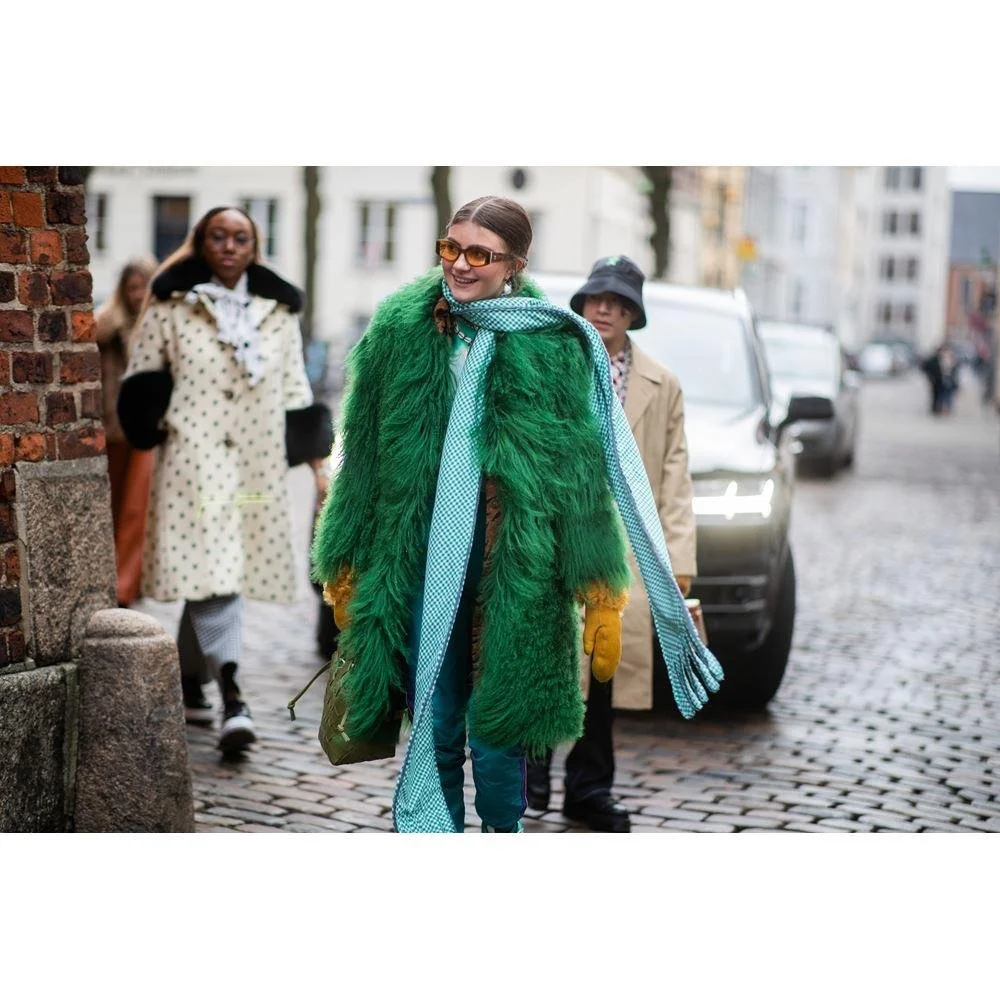
A colorful capsule wardrobe can be remarkably straightforward.
Look One: The Modern Professional
Navy tailored trousers, a powder-blue turtleneck, chocolate-brown ankle boots, and a structured burgundy coat.
Look Two: The Weekend Uniform
Dark indigo jeans, a forest-green sweater, a navy puffer, and weather-appropriate boots.
Look Three: Dinner Without the Drama
A burgundy midi skirt, a fitted chocolate-brown knit, tall boots, and understated jewelry.
Look Four: The Cold-Weather Minimalist
Charcoal trousers, a cobalt-blue sweater, a long navy coat, and a coordinating scarf.
Look Five: A Little Unexpected
Dark denim, a cream or pale-blue shirt, a chocolate-brown cardigan, and a butter-yellow scarf.
Each outfit relies on pieces that can be rearranged rather than purchased for a single occasion.
The Secret Is Repetition, Not Restriction
One of the most useful principles in building a capsule wardrobe is repeating colors strategically.
If you own a burgundy coat, consider whether that shade also appears in a sweater, scarf, bag, or pair of shoes.
That doesn't mean every accessory must match.
It means a recurring color can help separate pieces feel connected.
The same applies to silhouettes.
If you love wide-leg trousers, choose outerwear and footwear that complement them. If you regularly wear dresses, build around layers and boots that make them practical during colder months.
A capsule should reflect how you actually dress, not how someone else's perfectly arranged wardrobe looks online.
Before You Buy Anything, Shop Your Own Closet
Creating a capsule wardrobe doesn't necessarily require buying new clothes.
Start by identifying the items you already wear repeatedly.
Then look for patterns.
Which colors appear most often? Which pieces are difficult to style? What do you consistently reach for on cold mornings?
Try assembling ten outfits from what you already own before making a shopping list.
You may discover that you don't need another sweater at all.
Perhaps what you're missing is a pair of weather-appropriate boots, a well-fitting trouser, or a coat that works with more of your wardrobe.
Buying fewer pieces can be useful, but only when those pieces genuinely serve your needs.
Personal Style Is the Point
There is something appealing about a wardrobe that makes getting dressed easier.
But ease doesn't have to come at the expense of expression.
A capsule wardrobe can include bold color, interesting textures, distinctive silhouettes, and pieces that tell a story about the person wearing them.
The most successful wardrobe isn't necessarily the one with the fewest clothes or the most coordinated hangers.
It's the one that makes sense for your life.
So keep the burgundy coat. Wear the blue sweater. Buy the green scarf if it works with what you own and you genuinely love it.
And leave the idea that sophistication must come dressed in beige behind.
Clèco's Takeaway: A capsule wardrobe is about thoughtful combinations, not a prescribed aesthetic. Choose colors you love, repeat them intentionally, and build around pieces you'll actually wear.
Clèco | Fashion — A more considered approach to personal style.
