Could Circular Fashion Be the End of Fast Fashion?
If you're spending $300 on a dress you'll wear once, it might be time to think about circular fashion.
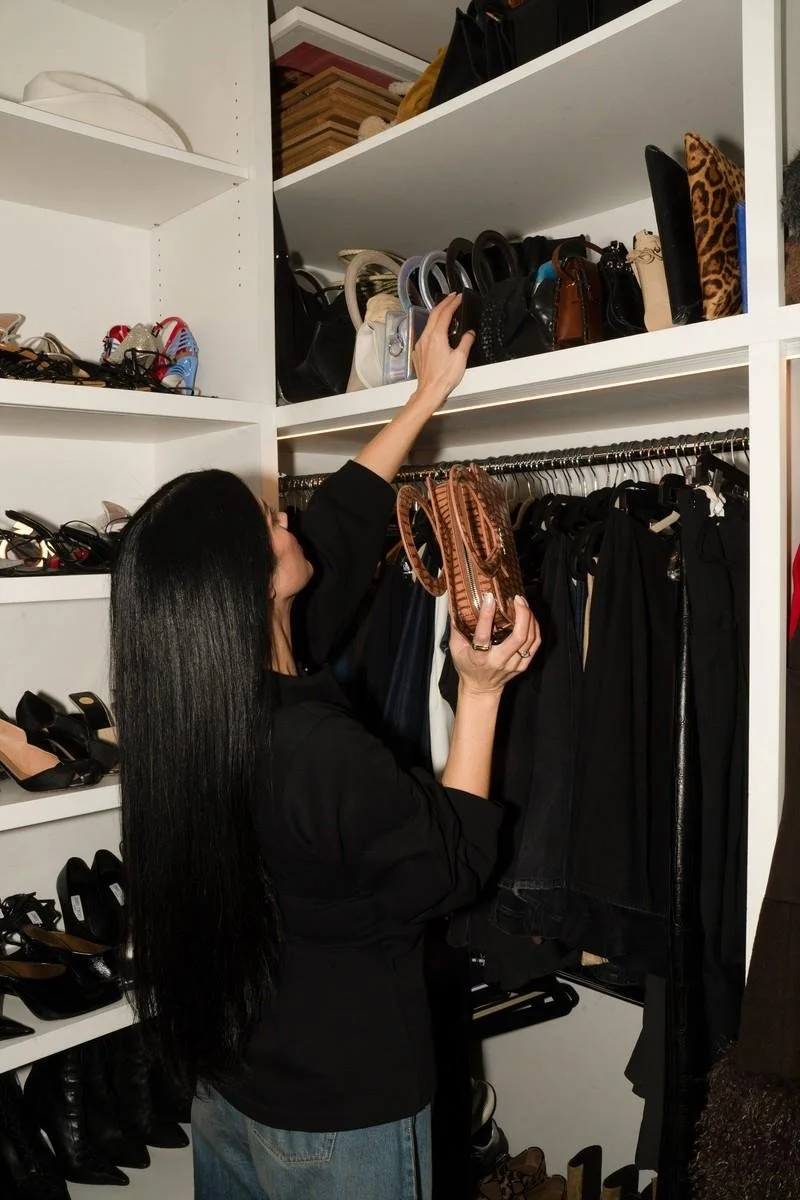
The concept has become one of the biggest conversations in the fashion industry, but at its core, it's surprisingly simple: buy pieces that can live beyond your closet. Instead of ending up in a donation pile after a season, they can be resold, repaired, rented, altered, or passed on to someone else.
For years, fast fashion encouraged shoppers to treat clothing as disposable. New trends arrived every week, prices stayed low, and wardrobes grew larger. The downside is that many of those purchases were designed for short-term use, often ending up unworn or discarded after only a handful of wears.
Circular fashion offers a different approach. Rather than focusing on how quickly we can replace our clothes, it focuses on how long we can keep them in use.
Think of it this way: when you buy a designer handbag from brands like Gucci, Saint Laurent, or The Row, you're often buying something that retains its value years later. Many luxury pieces are intentionally designed to last, which is why thriving resale markets exist around them.
The same mindset is beginning to influence the rest of our wardrobes.
Consumers are becoming more interested in quality fabrics, timeless silhouettes, and versatile pieces that can be styled in multiple ways. Instead of buying five trendy items that may feel outdated next season, many shoppers are choosing one well-made piece they'll reach for repeatedly.
Circular fashion asks a different question before you buy:
"Will I still want this in three years?"
It's a simple question, but it can completely change the way you shop.
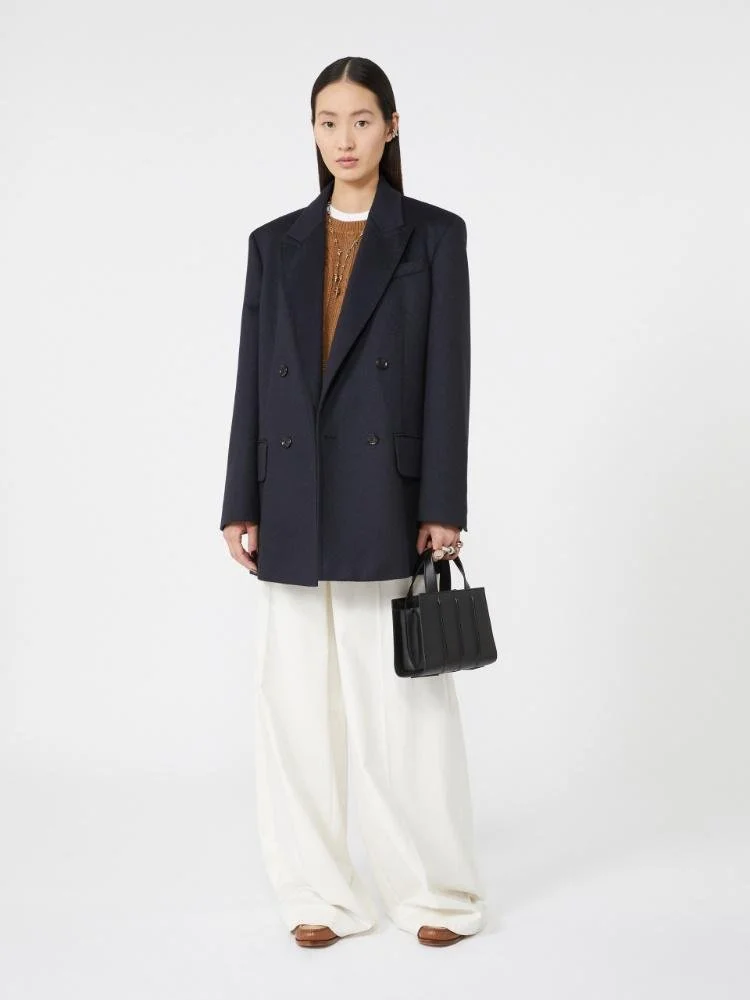
If the answer is no, it may not belong in your closet. If the answer is yes, you're likely looking at a piece with lasting value—whether that's financial value, practical value, or simply the joy of wearing something you genuinely love.
This shift in thinking is also changing the way brands operate. Fashion companies are increasingly partnering with resale platforms, launching repair services, and creating take-back programs that encourage customers to keep products in circulation longer. Some brands now offer in-house resale marketplaces, while others provide repair options that help extend the life of garments that might otherwise be replaced.
The goal isn't necessarily to buy less fashion—it's to buy better fashion.
That doesn't mean every piece needs to be a luxury investment. Circular fashion isn't about filling your closet exclusively with designer labels. It's about becoming more intentional with your purchases. A well-made blazer, a classic pair of jeans, or a versatile handbag can be just as valuable to a circular wardrobe as a luxury item if it serves you for years.
It also encourages us to rethink what happens when we're finished with something. Instead of letting clothing sit unworn in the back of a closet, circular fashion promotes reselling, donating, swapping, or repairing items so they can continue to be used.
For shoppers, the benefits go beyond sustainability. Investing in pieces that last often means spending less over time, reducing impulse purchases, and building a wardrobe that feels more cohesive and personal. Rather than constantly chasing the next trend, you create a collection of pieces that work together and reflect your individual style.
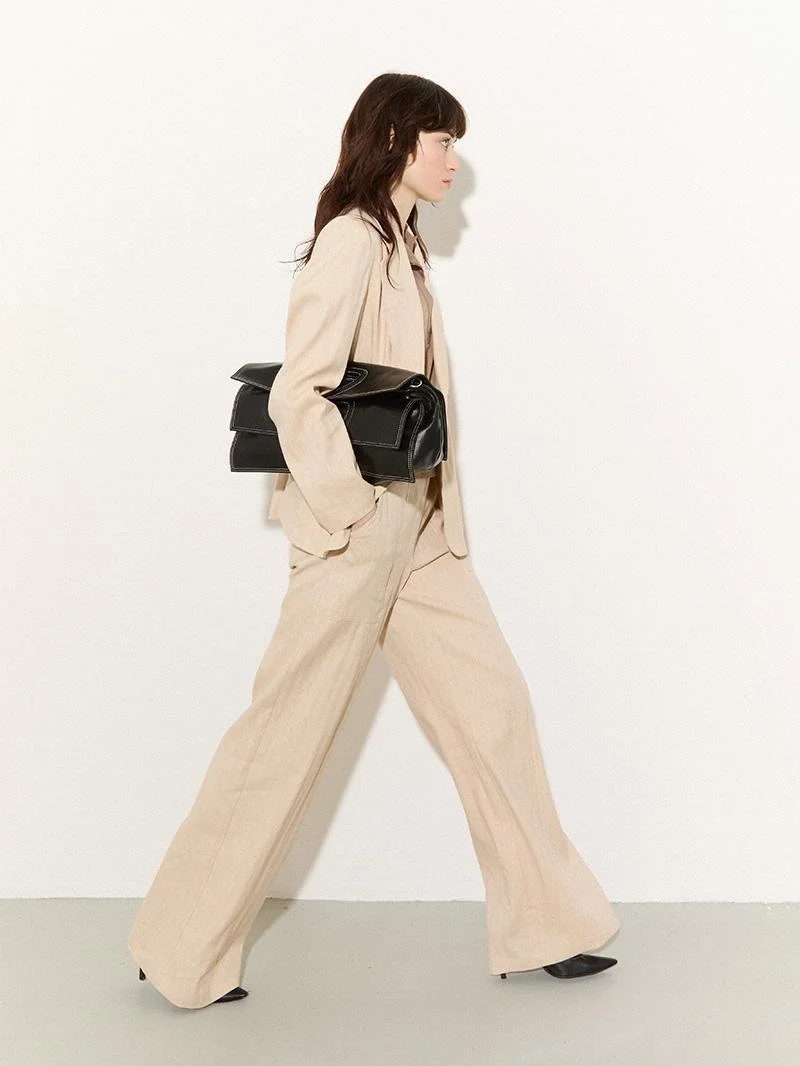
As consumers become more conscious about where their clothes come from and where they end up, circular fashion is likely to play an even bigger role in the future of the industry.
Because the future of style may not be about owning more.
It may be about owning pieces worth keeping in circulation.
