Is Luxury Worth It Anymore? Why Consumers Are Questioning Designer Fashion
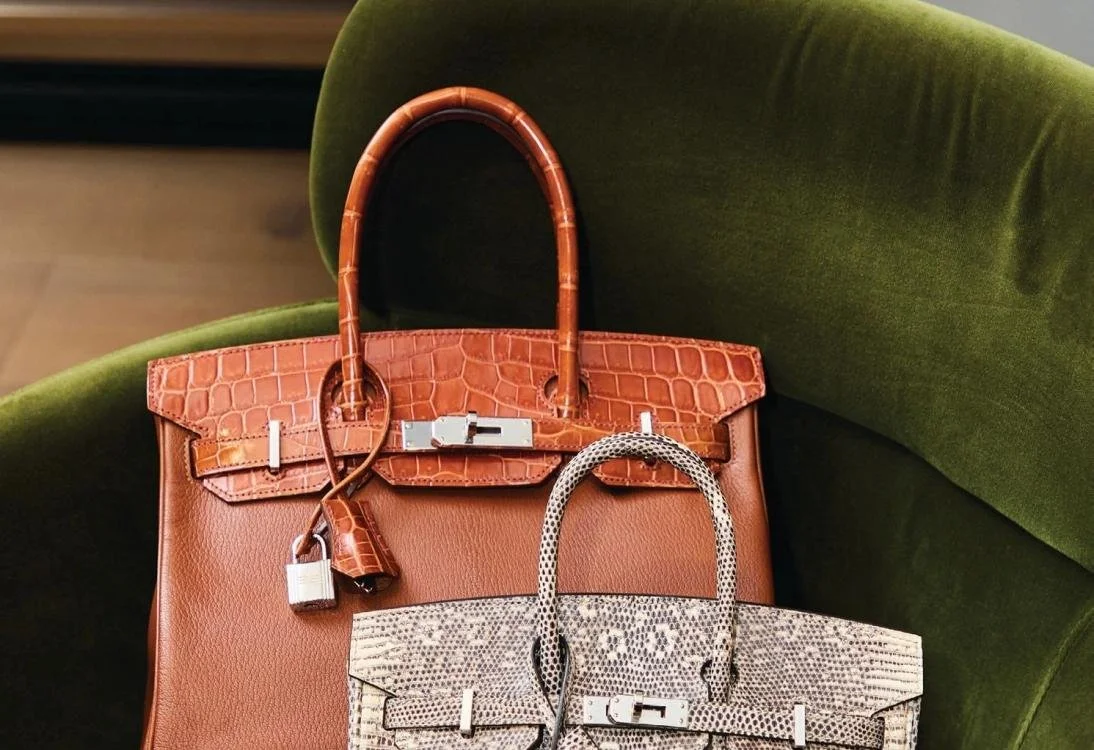
There was a time when luxury was easier to define.
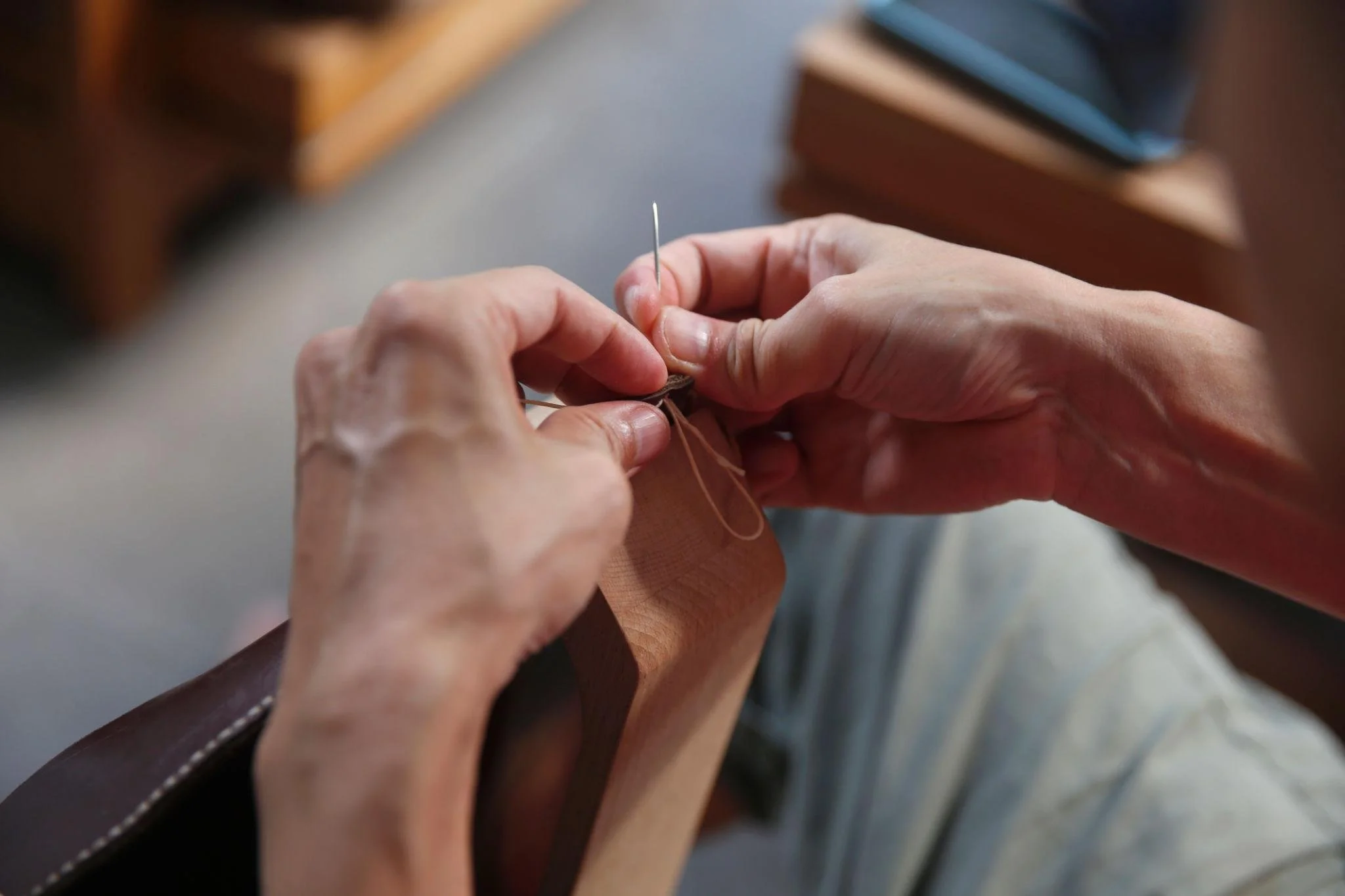
A designer handbag represented decades of craftsmanship. A cashmere coat was expected to last a lifetime. A pair of leather shoes was designed to be repaired, worn, and passed down.
Luxury was not simply a purchase. It was a promise.
A promise of exceptional materials, meticulous craftsmanship, and something increasingly rare in modern fashion: longevity.
Today, that promise is being questioned.
Luxury prices have reached unprecedented levels. A handbag that once cost a few thousand dollars may now command double that price. Fashion houses continue to increase prices year after year, while consumers are beginning to ask a more complicated question:
Has luxury improved at the same rate as its price?
The Era of Luxury Fatigue
A growing number of consumers are experiencing what the fashion industry has begun calling "luxury fatigue."
The issue is not necessarily that people no longer desire beautiful objects.
It is that they are becoming more selective about what they are willing to pay for.
A logo alone no longer feels enough.
Today's luxury consumer is asking:
Who made this?
What is it made of?
How does it compare to what came before?
Will this still feel valuable ten years from now?
The conversation around luxury is shifting from status to substance.
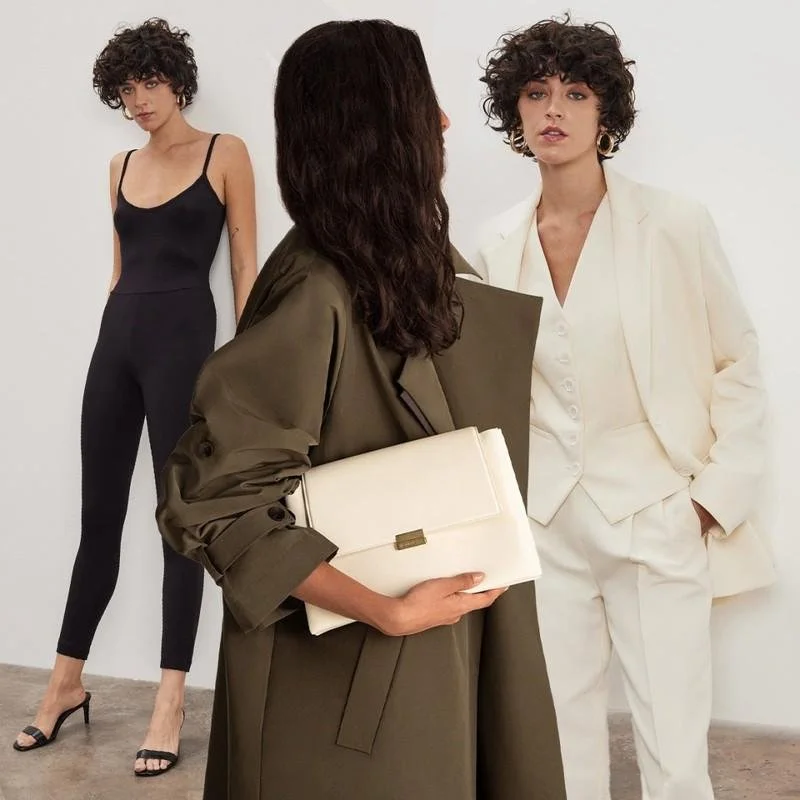
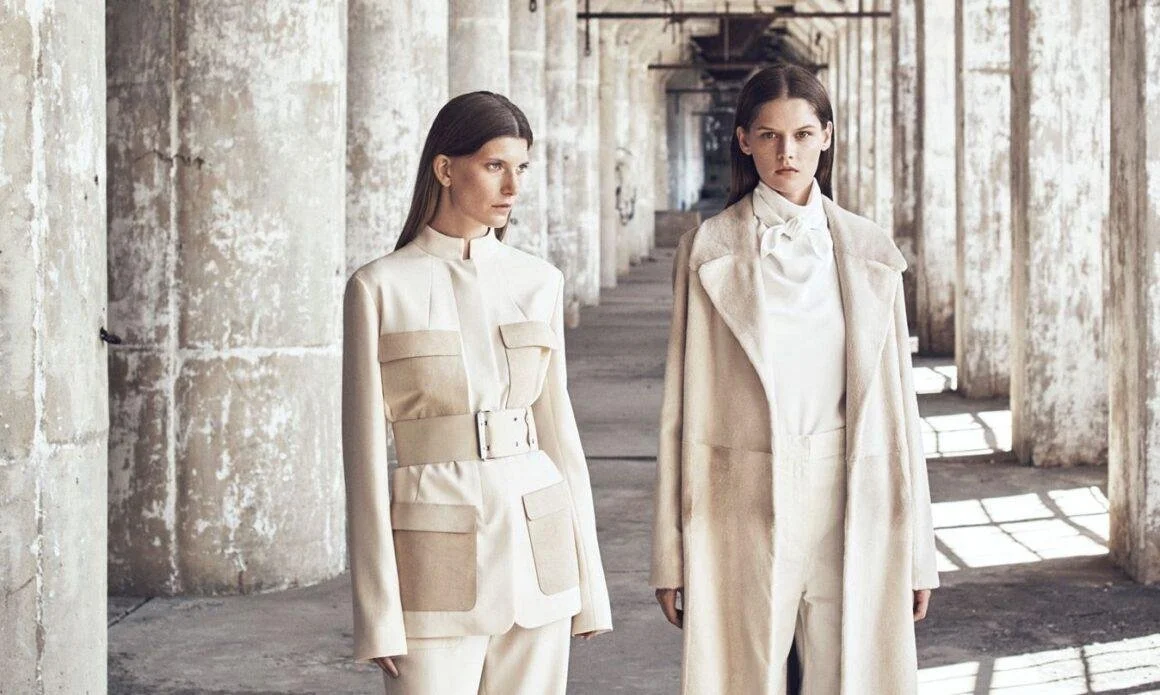
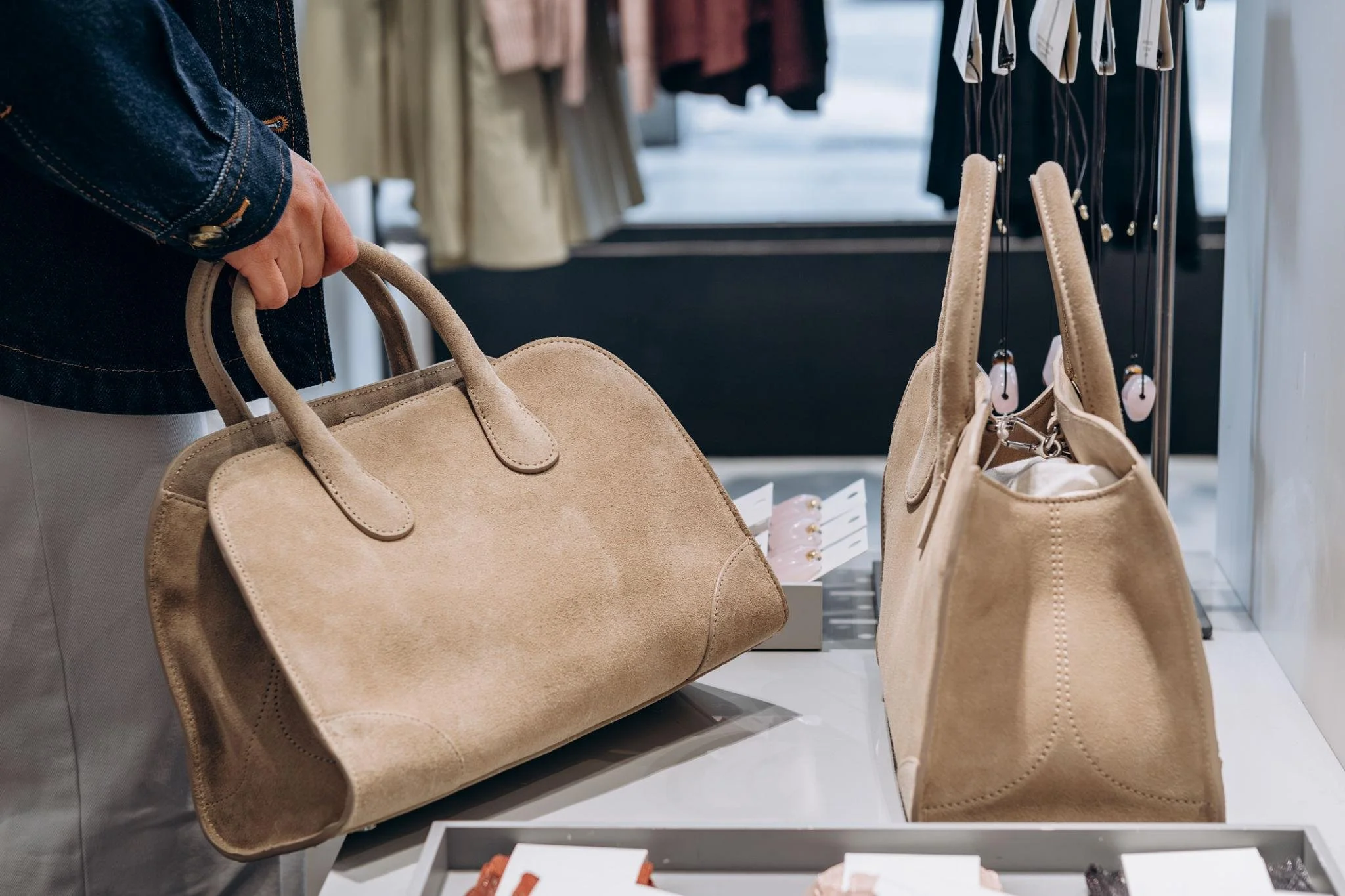
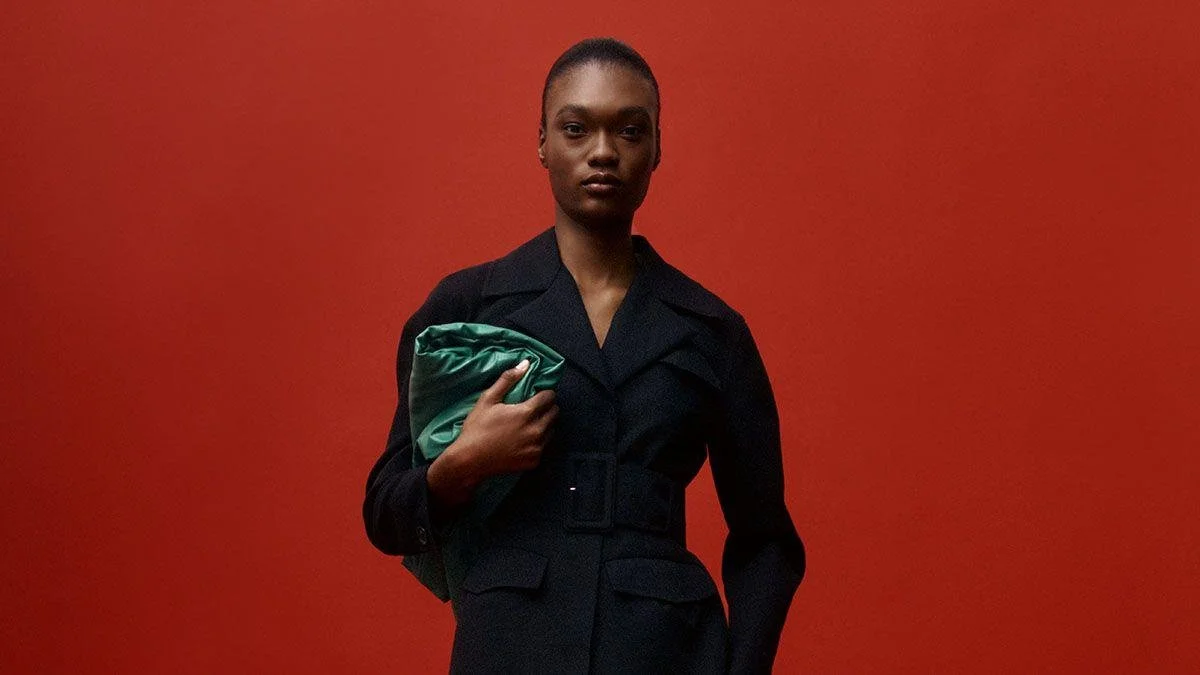
The New Consumer Is Looking Beyond the Label
For decades, luxury relied heavily on exclusivity.
If something was difficult to access, it became desirable.
But access has changed.
Social media has made fashion more visible than ever. Luxury shopping has become more global. The logo has become easier to recognize.
What has become harder to recognize is quality.
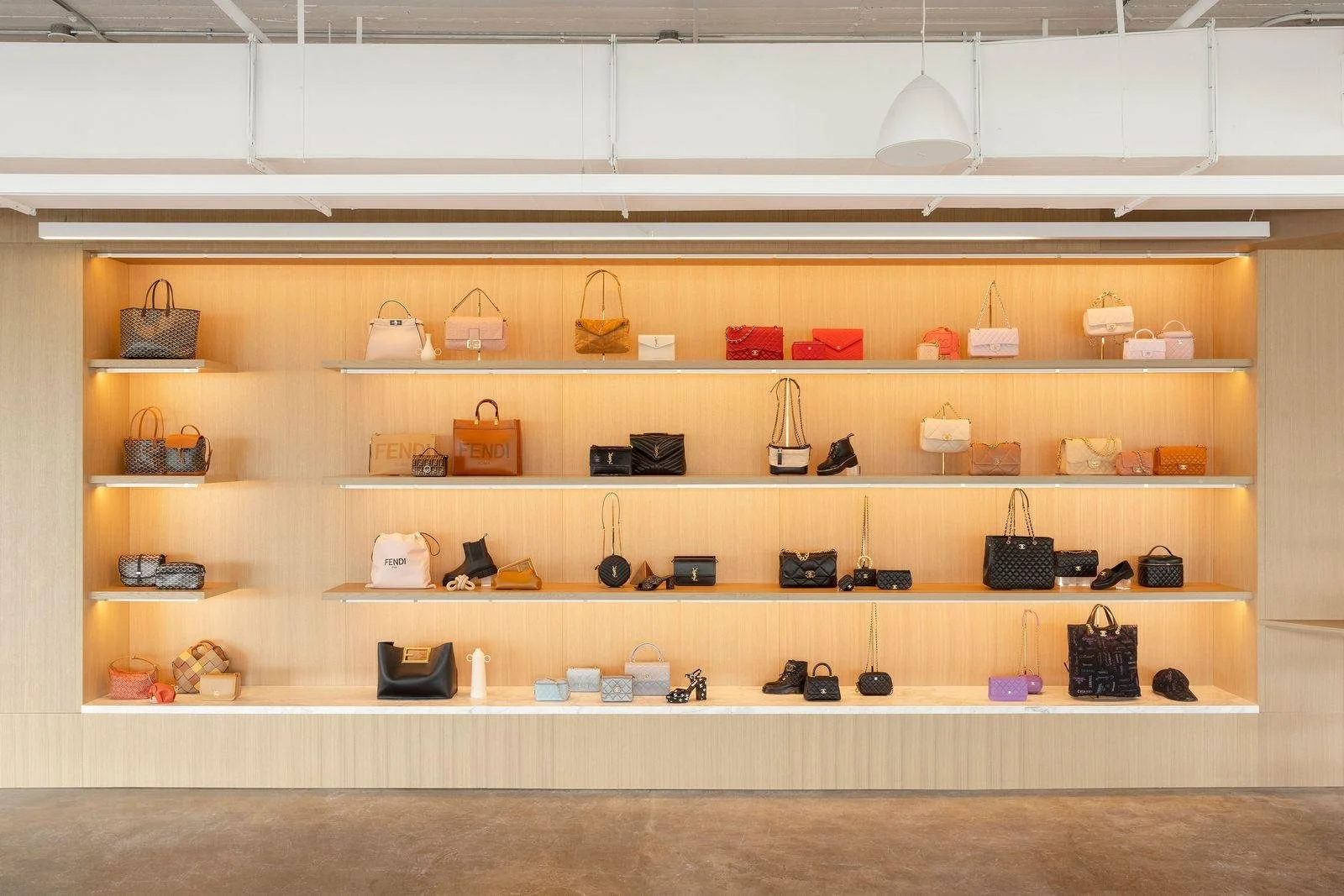
Consumers are now studying fabric composition, construction techniques, and craftsmanship. They are comparing vintage versions of iconic bags with their modern counterparts. They are searching resale platforms and asking whether older pieces were made with greater attention to detail.
This is one reason the vintage and resale market continues to grow.
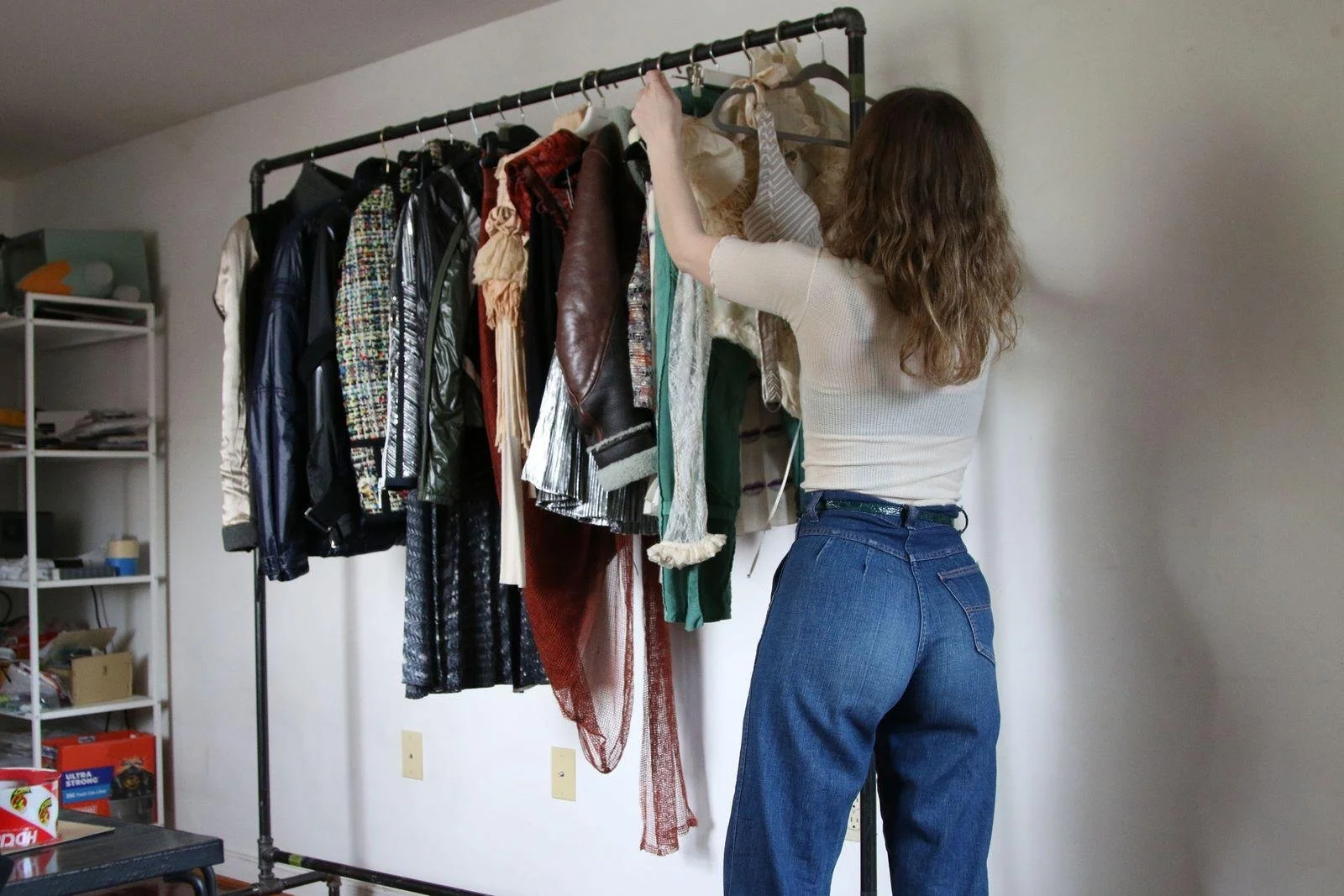
A piece that has already proven it can survive twenty or thirty years has something a new purchase cannot promise: evidence.
The Rise of the Informed Luxury Consumer
The future of luxury may not belong to the person who owns the most.
It may belong to the person who understands the most.
The new luxury consumer does not necessarily buy less expensive items.
They buy with more intention.
They understand the difference between a trend and a classic.
They know when craftsmanship justifies a price and when marketing is doing most of the work.
They recognize that the most valuable item in a wardrobe is not always the newest one.
Sometimes it is the piece that has already stood the test of time.
What Actually Makes Something Luxurious?
The next era of luxury is forcing consumers to return to the fundamentals.
The questions worth asking are simple:
Material
Is the fabric or leather exceptional?
Does it feel like something designed to age beautifully?
Construction
Are the seams precise?
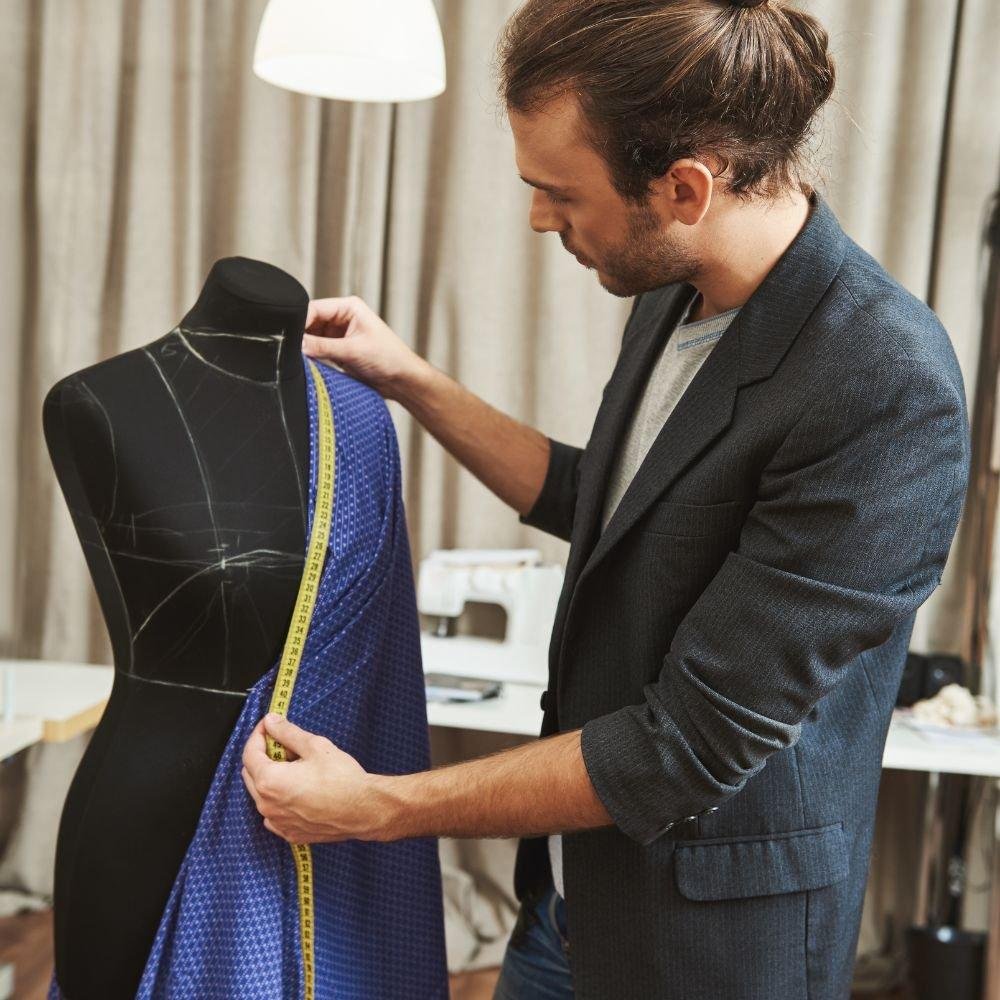
Is the garment structured well?
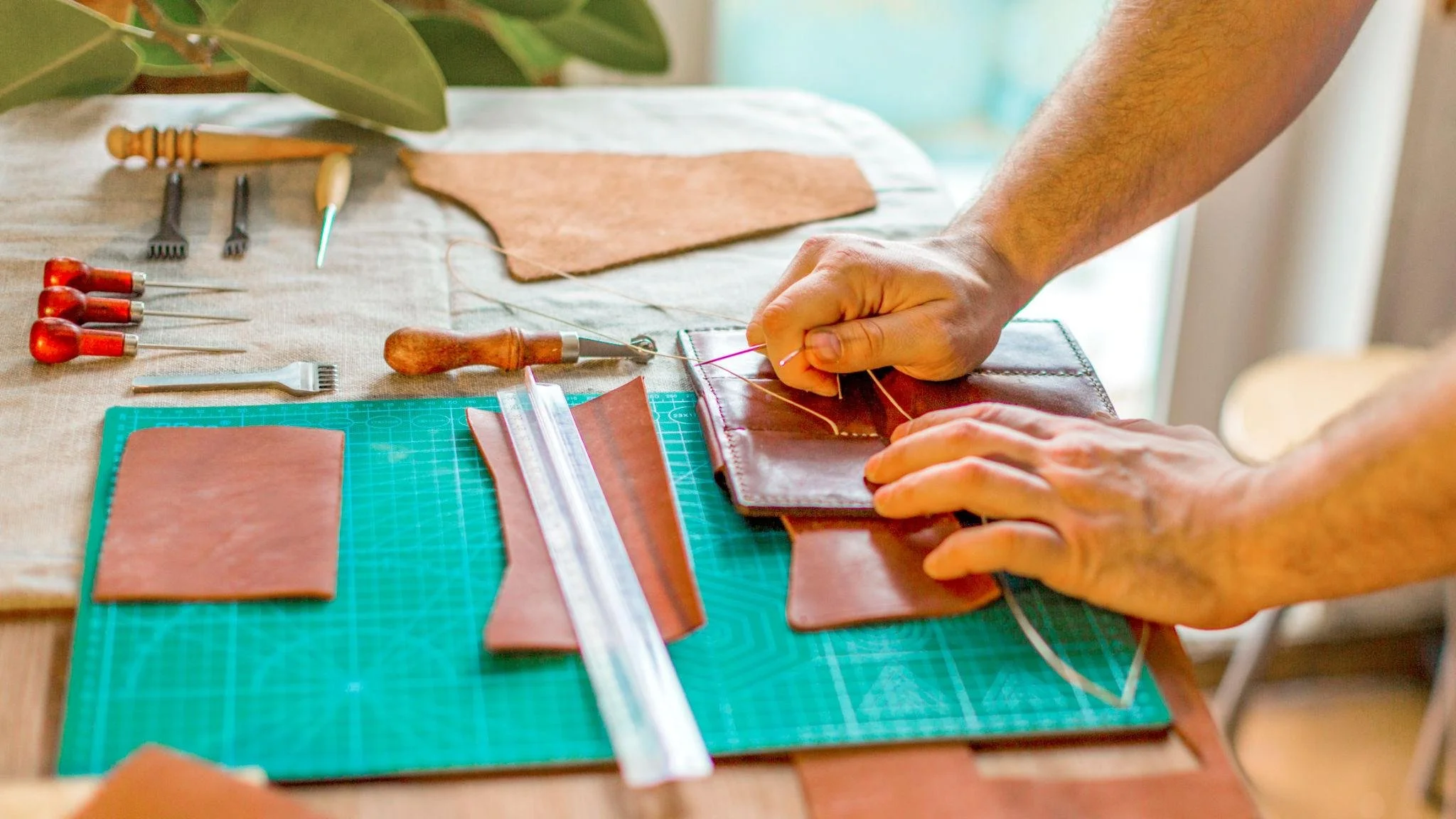
Can it be repaired?
Design
Is the piece tied to a temporary trend, or does it have a lasting identity?
Heritage
Does the brand have a history of craftsmanship and innovation?
These factors once defined luxury. Many consumers are now returning to them.
The New Luxury Standard
This does not mean luxury no longer has value.
Some houses continue to invest in extraordinary craftsmanship, artisan techniques, and materials that cannot easily be replicated.

The shift is not the rejection of luxury.
It is the rejection of buying luxury without understanding it.
The future of fashion is not about owning more expensive things.
It is about developing a more educated eye.
The Future of Fashion Is Discernment
The most interesting shift happening in fashion today is not the rise of a new silhouette, a new color, or a new trend.
It is the rise of a more informed consumer.
One who understands that a logo is not the same as quality.
That a high price is not always the same as value.
That the true mark of luxury is not what something costs.
It is what it offers in return.
Perhaps the greatest status symbol of the next generation will not be the ability to buy anything.
It will be the ability to recognize what is truly worth buying.
