Fashion Is Changing, But Not in the Way You Think
Walk into almost any major retailer right now — from high street to luxury — and you’ll see it.

New language.
New collections.
New signals that something in fashion has shifted.
“Conscious.”
“Responsible.”
“Recycled materials.”
On the surface, the industry appears to be evolving.
And in some ways, it is.
But what’s actually changing — and what isn’t — matters more than the label.
The Industry Is Under Pressure, And It’s Showing
Fashion isn’t shifting randomly. It’s being pushed.
New regulations in Europe will soon require brands to disclose material composition, environmental impact, and supply chain data through digital product passports
Consumers are questioning sustainability claims more than ever
Regulatory bodies are starting to penalize vague or misleading “green” marketing

So brands are adapting quickly.
You see it in:
capsule “sustainable” collections
recycled fabric claims
limited transparency reports
But adaptation doesn’t always mean transformation.
The Brands Leading — And What They’re Actually Doing
Some brands are genuinely pushing the industry forward.
Patagonia has committed to eliminating new petroleum-based fabrics and prioritizing recycled and regenerative materials
Stella McCartney has built an entire luxury model around alternative materials and avoiding animal-based leather
Reformation is working toward circular production and climate-positive goals by 2030
Veja and Allbirds are investing in low-impact materials and traceable supply chains
Even legacy luxury houses are responding:
Ferragamo has begun tracing over 80% of its leather supply chain as transparency expectations rise
These are not small shifts.
They signal where fashion is going.
But Here’s the Part That Gets Missed
At the same time:
Roughly 70% of global textiles are still synthetic, derived from petroleum
Fast fashion production continues at scale
“Sustainable” lines often exist alongside unchanged core business models
So you end up with something that looks better, without necessarily being better.

The Gap Between Messaging and Material
This is where most people get it wrong.
Because fashion has learned how to communicate sustainability
before fully becoming it.
You’ll see:
recycled polyester collections
organic cotton labels
“eco-conscious” branding
But rarely:
full material transparency
treatment disclosures
long-term durability conversations
And those are the things that actually determine quality.
What Actually Matters When You’re Choosing
If fashion is changing, your decisions have to change with it.
Not based on what sounds better.
But based on what is better.
1. Material composition (first, always)
This matters more than any campaign.
A piece labeled “conscious” but made of:
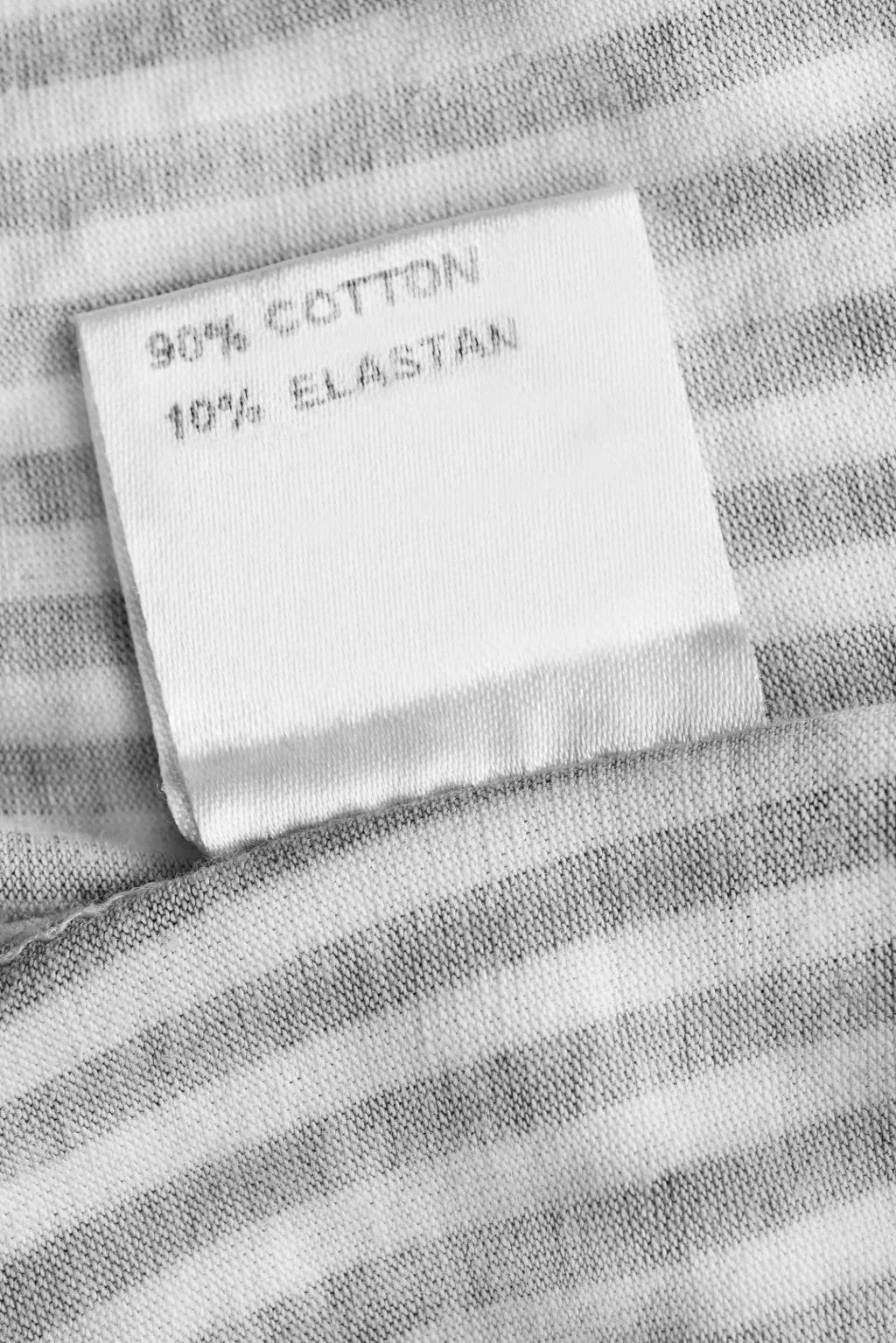
60–80% polyester
is still primarily synthetic.
And synthetic fibers:
dominate the industry
contribute to pollution and microplastic release
are directly tied to petroleum production
2. Natural vs synthetic balance
Look for:
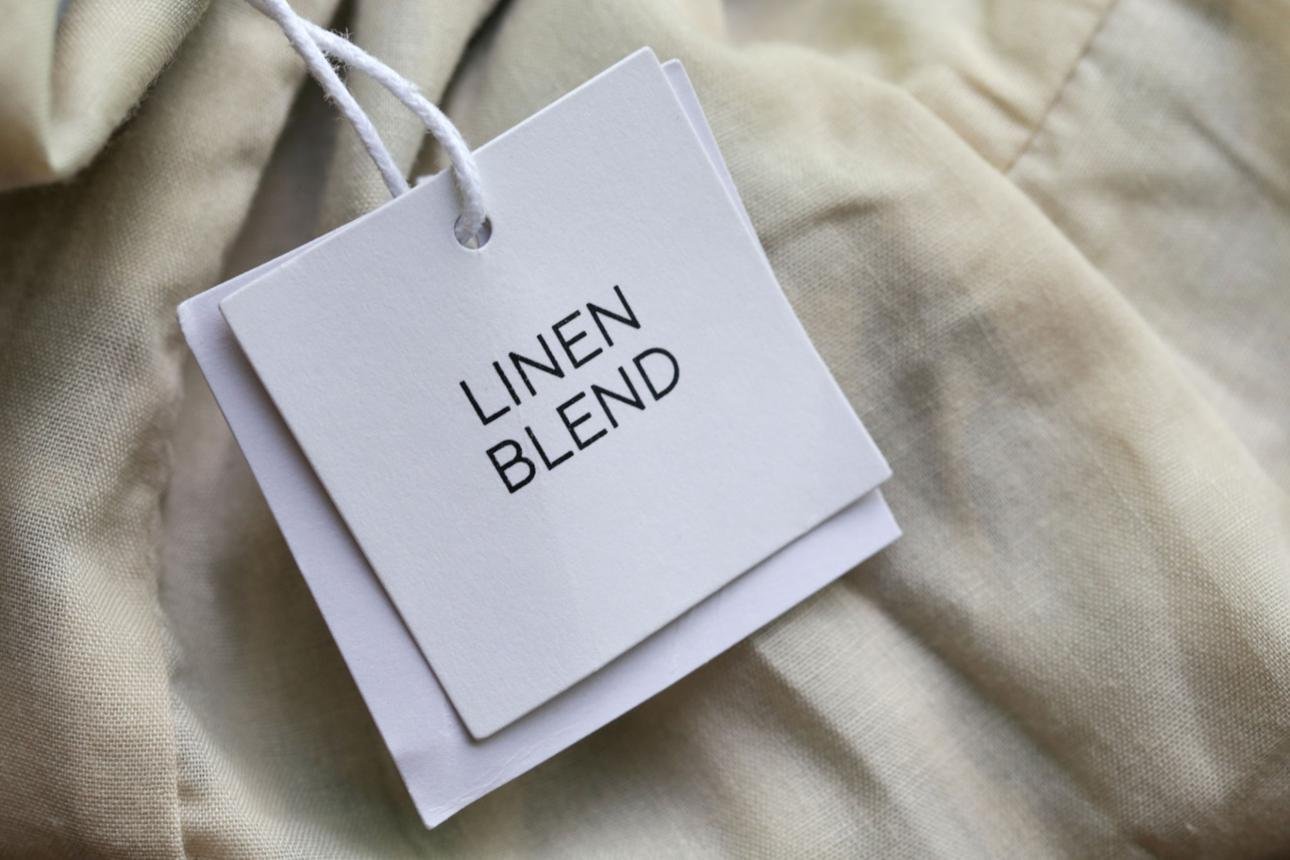
100% linen
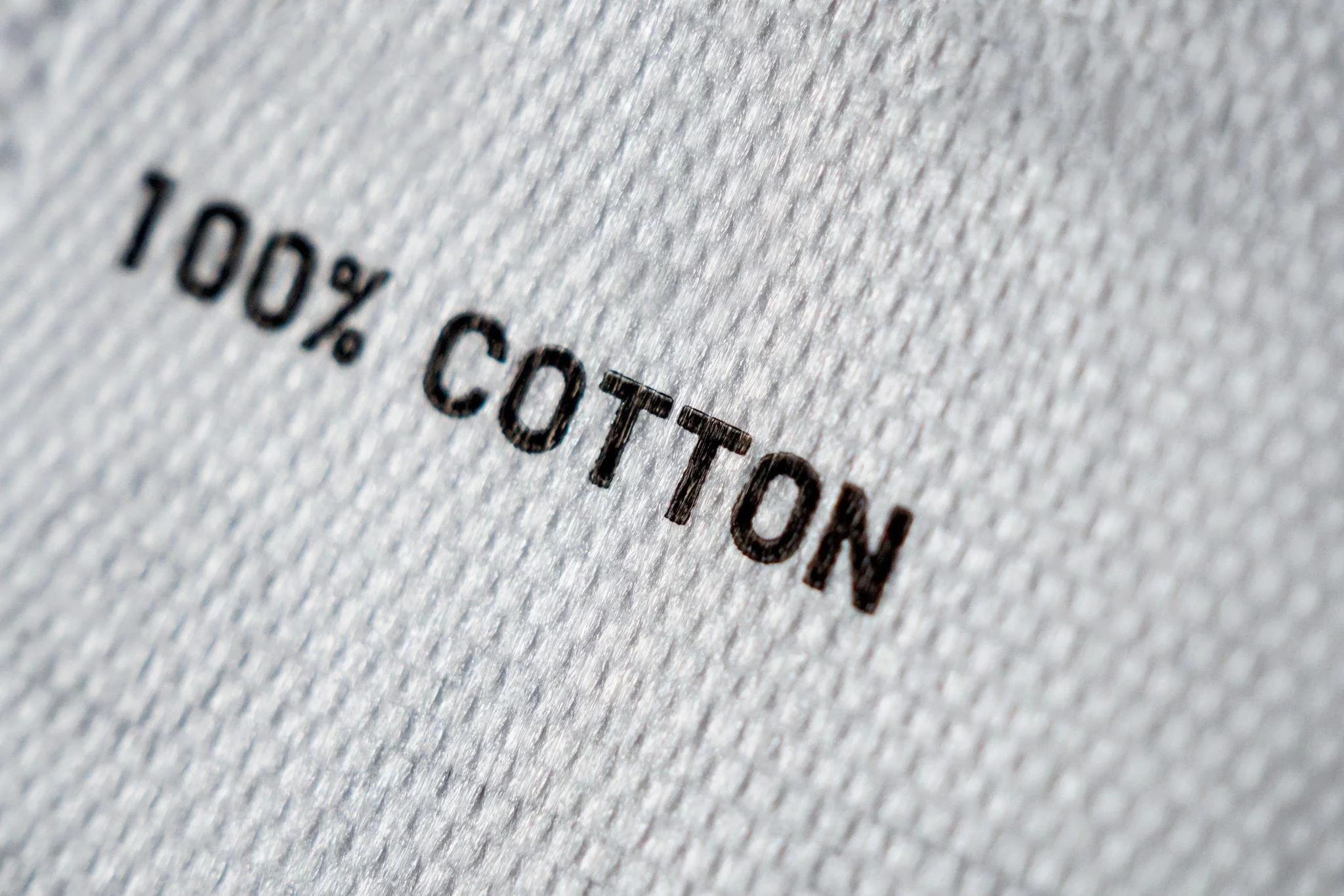
100% cotton
wool, silk, or blends with a clear purpose
Not:
vague blends that prioritize cost over structure
3. Fabric treatment (the hidden layer)
This is where most brands stay quiet.
Wrinkle-resistant.
Water-repellent.
Stain-proof.
These finishes often involve:
chemical coatings
durability trade-offs
additional processing not clearly disclosed
4. Longevity over novelty
Production has doubled while garment use has decreased significantly
So the question becomes:
Will this piece still exist — structurally and stylistically — in two years?
Because longevity is one of the most overlooked forms of sustainability.
5. Consistency, not campaigns
A brand with:
one “sustainable collection.”
is different from a brand that:
integrates material responsibility across all products
Look for consistency — not isolated efforts.
Where Fashion Is Actually Going
Fashion is moving in the same direction beauty already has, From aesthetic-first, to informed aesthetic
But it’s earlier in the process.
Which means:
the language is ahead of reality
the consumer still has to interpret
the responsibility hasn’t fully shifted to brands yet
Our Position
Clèco doesn’t tell you:
to stop buying
to replace everything
to follow a trend
It shows you:
what to look for — before you decide
Because what you wear:
sits on your skin
moves with your body
becomes part of your daily environment
And that deserves more attention than a label.
You don’t need a new wardrobe.
You need a better understanding of what you’re adding to it.
