Waterproof, insulated, weather-resistant: winter footwear comes with plenty of promises. But a boot that keeps snow out won't necessarily keep your feet warm. Here's what actually matters before you invest in your next pair.
A beautiful pair of winter boots can make the coldest months feel considerably more stylish. But anyone who has walked through freezing slush in an expensive pair knows that appearance and performance aren't always the same thing.
The problem often begins with the label.

A boot described as waterproof may protect against moisture while offering very little insulation. Another advertised as insulated may feel comfortable in dry, cold conditions but allow water to seep through its seams.
And a premium price tag doesn't automatically guarantee either.
Before investing in winter footwear, it's worth understanding what those product descriptions actually mean.
Waterproof Doesn't Mean Warm
This is perhaps the most important distinction when shopping for winter boots.
Waterproofing is designed to prevent water from entering a boot. Insulation is designed to slow heat loss.
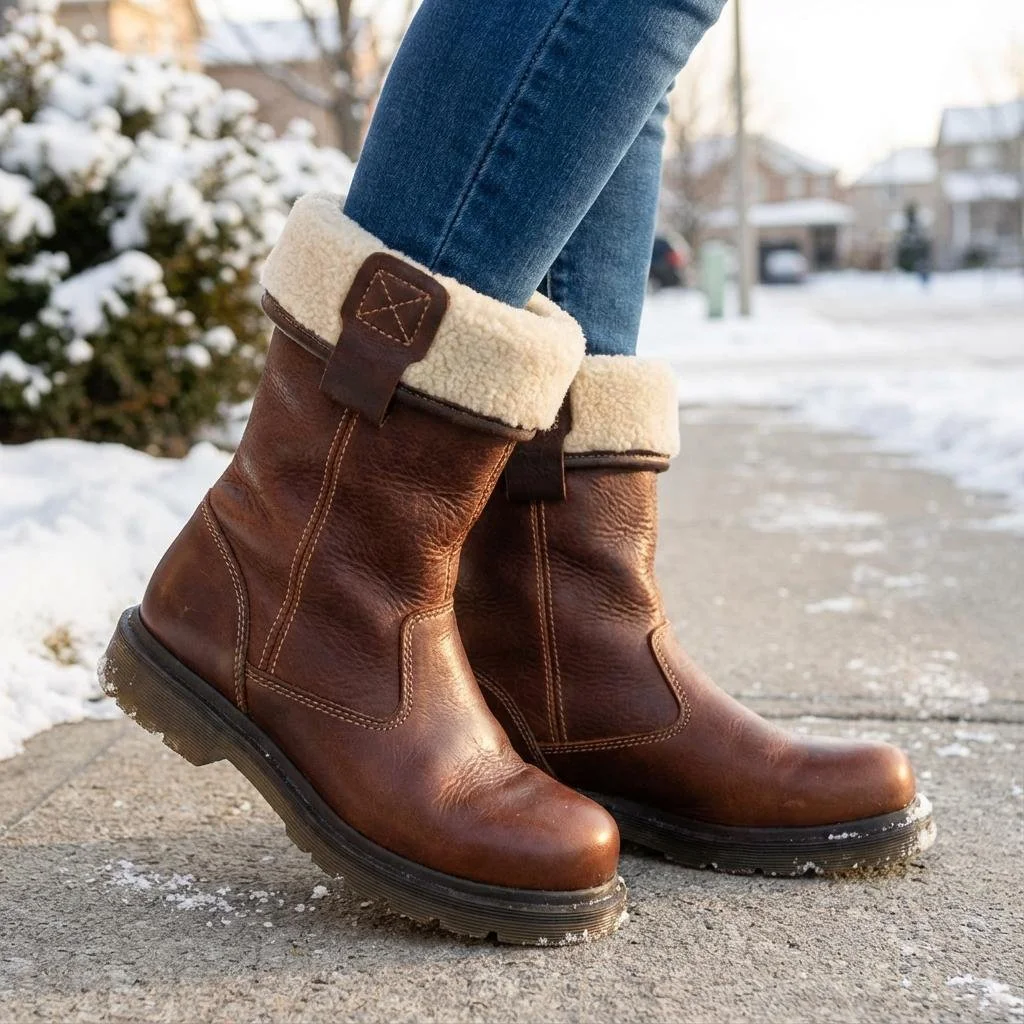
They're two different functions.
A waterproof boot may use a membrane, sealed construction, or treated materials to keep moisture out.
But without sufficient insulation, your feet may still become cold.
Similarly, a heavily insulated boot can feel warm in dry conditions but become uncomfortable if melting snow penetrates the upper.
For winter conditions involving snow, slush, and prolonged exposure to cold, both features can matter.
When reviewing product descriptions, look for waterproof construction and insulation information separately rather than assuming one guarantees the other.
The Difference Between Waterproof and Water-Resistant
These terms are often used interchangeably in everyday conversation, but they don't mean the same thing.
Water-resistant boots are designed to resist some moisture exposure. They may be suitable for light precipitation or brief contact with wet surfaces, depending on their construction.
Waterproof boots are intended to prevent water penetration under specified conditions, although performance depends on construction, wear, and how the boot is used.
Even a waterproof boot can allow water in through its opening if snow or rain enters from above.
Pay particular attention to seams, zippers, and the connection between the upper and sole.
A waterproof membrane is useful, but the construction surrounding it also matters.
What Actually Makes a Winter Boot Warm?
Several factors influence how effectively footwear protects your feet from cold.
1. Insulation
Insulation helps reduce heat transfer between your feet and the colder environment.
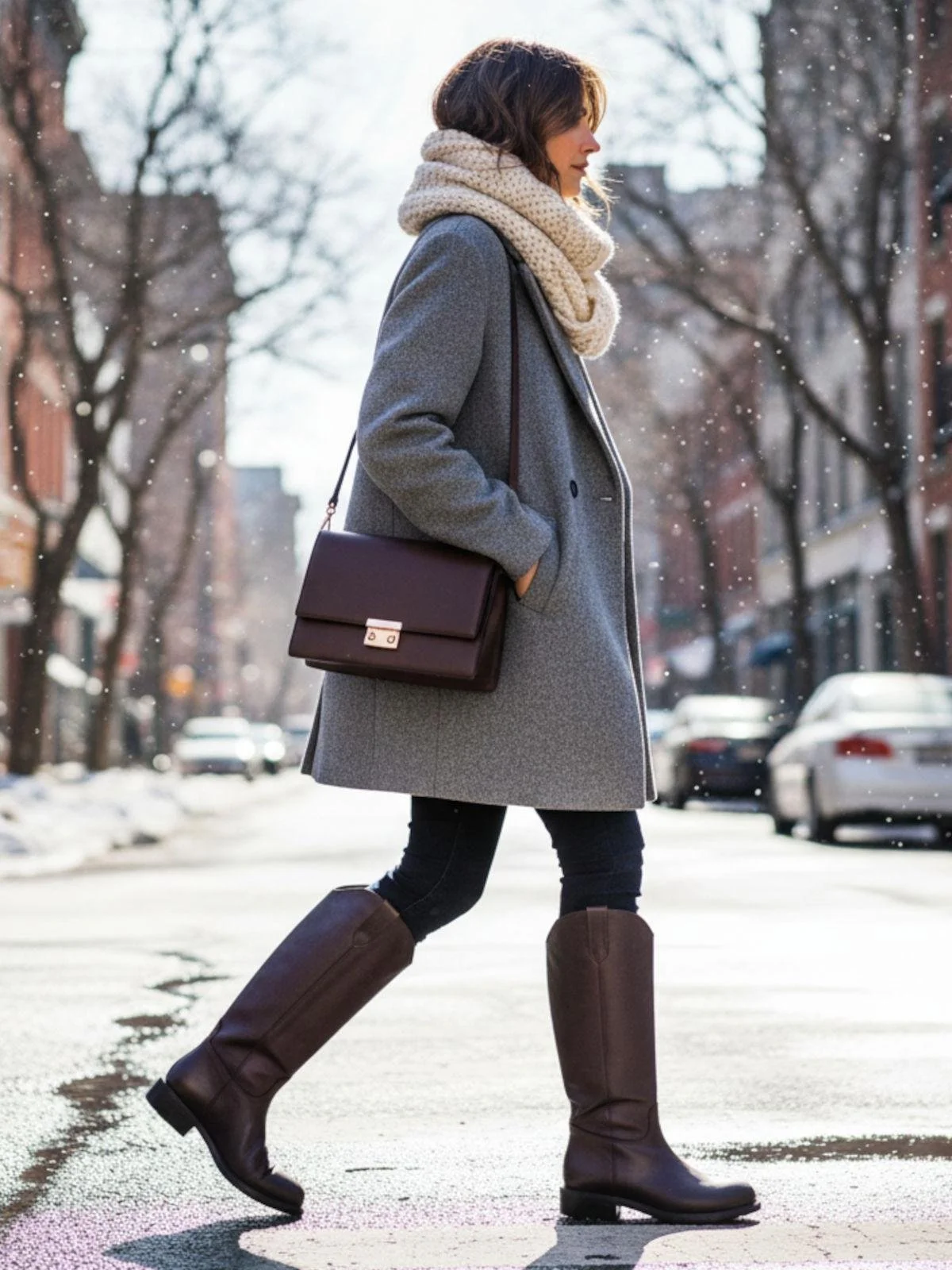
Common options include synthetic insulation, wool, shearling, and other thermal linings.
Synthetic insulation can offer warmth without excessive bulk, while wool can help manage moisture and provide insulation.
However, the presence of a particular material doesn't automatically tell you how warm a boot will feel.
Thickness, construction, fit, activity level, and environmental conditions all influence performance.
Some manufacturers provide insulation weights, commonly expressed in grams, but these figures shouldn't be treated as universal temperature ratings.
2. The Sole
Cold can travel through the bottom of a boot, particularly when standing on frozen pavement.
A thick outsole and insulating midsole or footbed can help reduce heat loss through the sole.
A boot with an insulated upper but a thin, poorly insulated bottom may still leave your feet feeling cold.
3. Fit
A winter boot shouldn't fit exactly like a snug fashion ankle boot.
Your toes need room to move, and the boot should accommodate appropriate socks without squeezing your feet.
Overly tight footwear can restrict circulation and compress insulating layers, reducing comfort in cold conditions.
At the same time, excessively loose boots may allow unwanted movement and compromise stability.
Try winter boots with the socks you actually intend to wear.
4. Moisture Management
Warmth isn't only about keeping external water out.
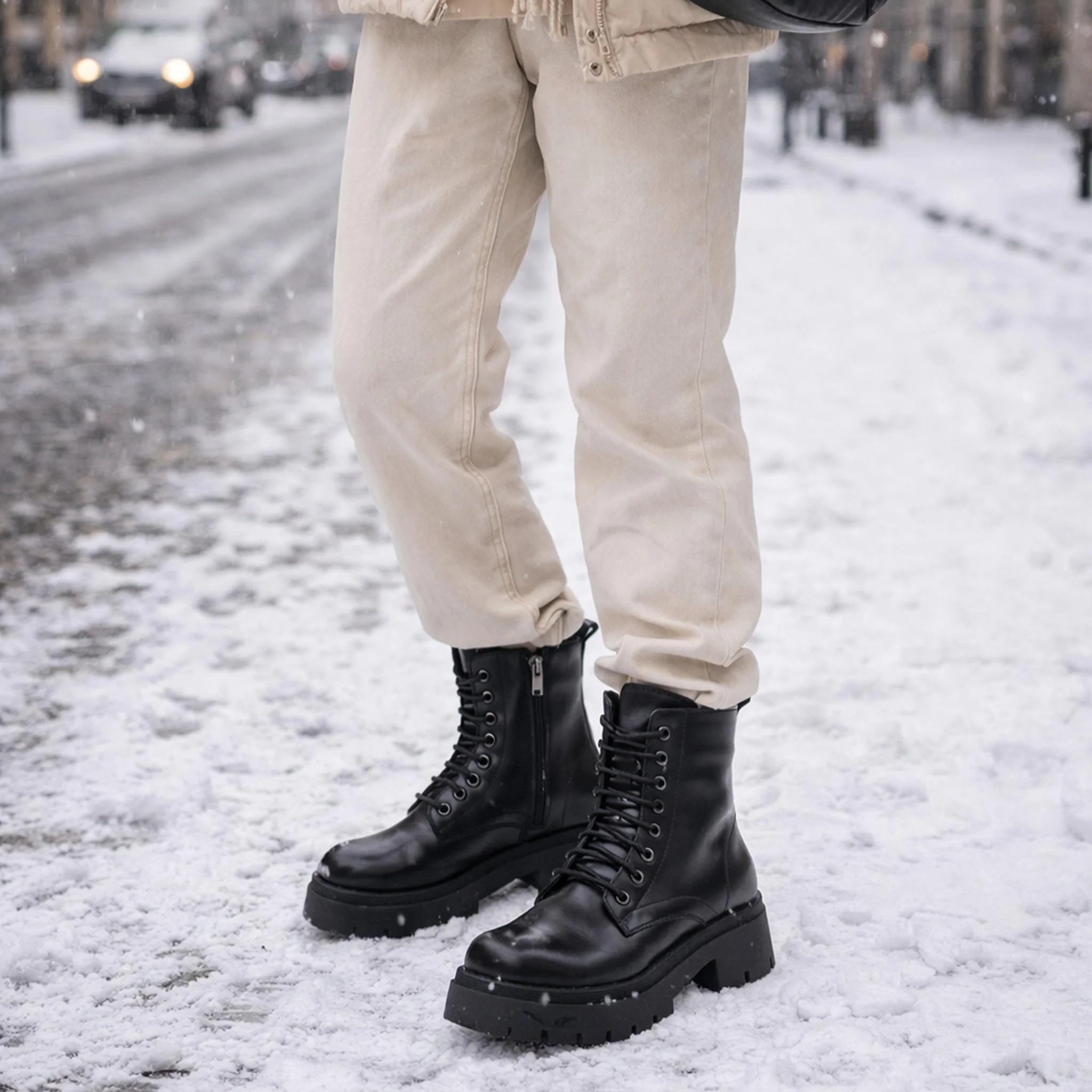
Sweat and trapped moisture inside a boot can also make your feet uncomfortable and increase heat loss.
Breathable materials, moisture-managing socks, and removable insoles that can dry between wears can all help.
What About Temperature Ratings?
Some winter boots advertise performance at temperatures such as -20°F or -40°F.
These figures can be useful as manufacturer guidance, but they aren't necessarily based on a standardized, independently comparable test.
Your experience will depend on whether you're walking or standing still, the socks you're wearing, how the boot fits, and how long you're outside.
A temperature claim should be considered alongside the boot's construction rather than treated as a guarantee.
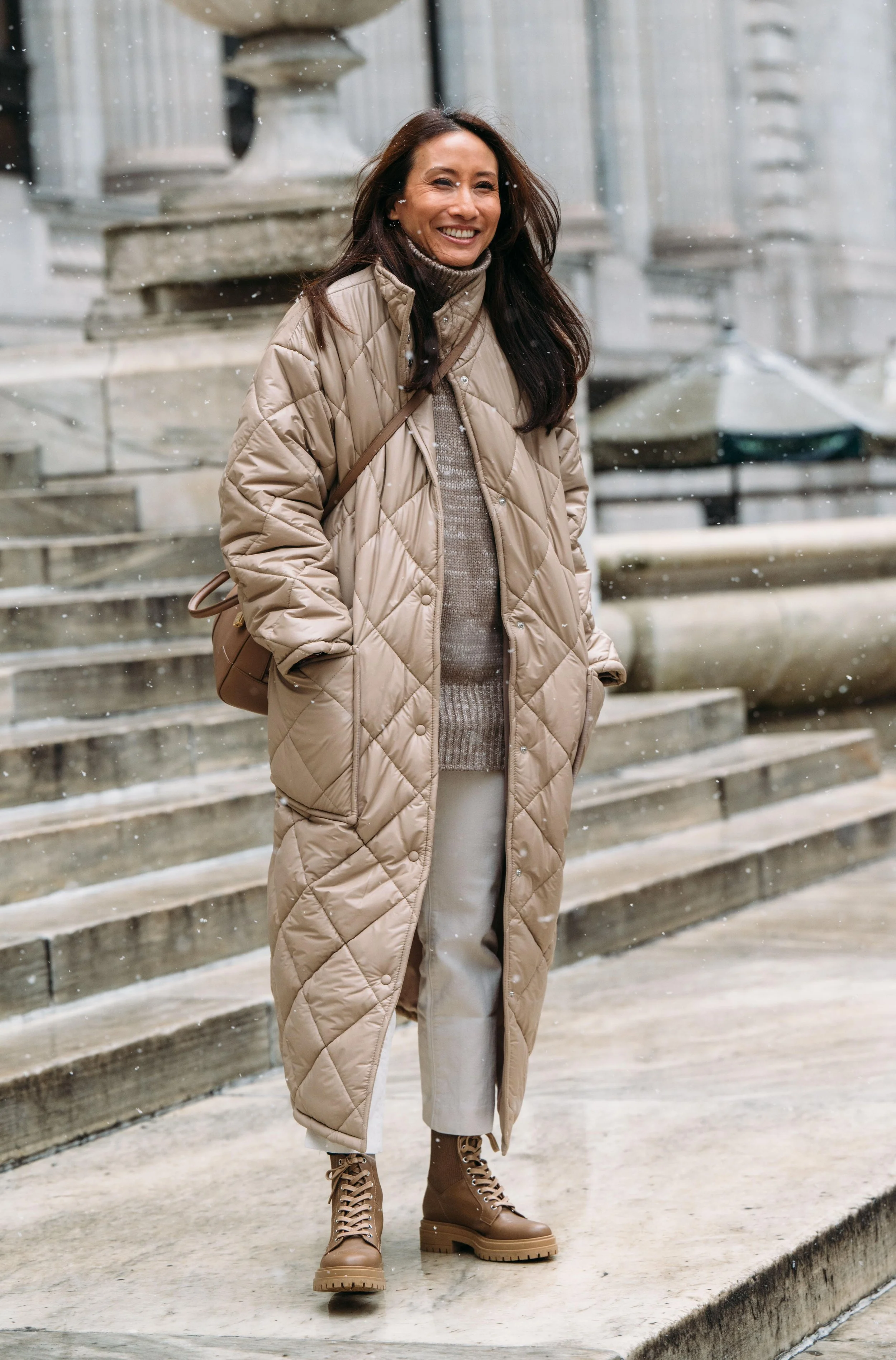
Don't Forget Traction
A warm, waterproof boot isn't necessarily safe on ice.
Traction deserves its own consideration, particularly in cities where sidewalks regularly transition between snow, slush, and frozen pavement.
Look for an outsole designed for winter conditions, with tread patterns and rubber compounds appropriate for cold surfaces.
Deep tread can improve grip in some snow conditions, but it doesn't guarantee reliable traction on smooth ice.
For particularly icy conditions, compatible removable traction devices may offer additional grip.
What Should You Check Before Buying?
Before purchasing winter boots, review the following:
Waterproofing: Does the manufacturer describe a waterproof membrane, sealed seams, or other waterproof construction?
Insulation: Is insulation included, and does the brand explain what type?
Sole construction: Is there meaningful protection between your foot and the cold ground?
Traction: Is the outsole designed for winter surfaces?
Fit: Can you comfortably wear winter socks without crowding your toes?
Care instructions: Can the materials be cleaned, dried, and maintained appropriately?
Intended use: Is the boot designed for short city walks, commuting, hiking, or extended outdoor exposure?
A boot designed for a short walk between your car and the office may not be the best choice for an afternoon spent outdoors.
The most useful question isn't simply whether a boot is warm.
It's whether it's warm enough for how you intend to use it.
The Luxury of Buying Well
Winter footwear is one category where thoughtful construction can matter more than a recognizable logo.
Beautiful materials, careful finishing, and considered design certainly have value. But so do dry feet, reliable traction, and insulation that suits your environment.
The best purchase is the pair that balances these qualities with your personal style.
Because a winter boot should do more than look appropriate for the season.
It should actually perform in it.
Clèco's Takeaway: Waterproofing keeps moisture out. Insulation helps retain warmth. Traction supports grip. Look for all three when shopping for serious winter weather.
Clèco | Fashion — Style informed by substance.
