The Butter Mom Trend Is Everywhere In 2026 — Here's What It Actually Means For Clean Living
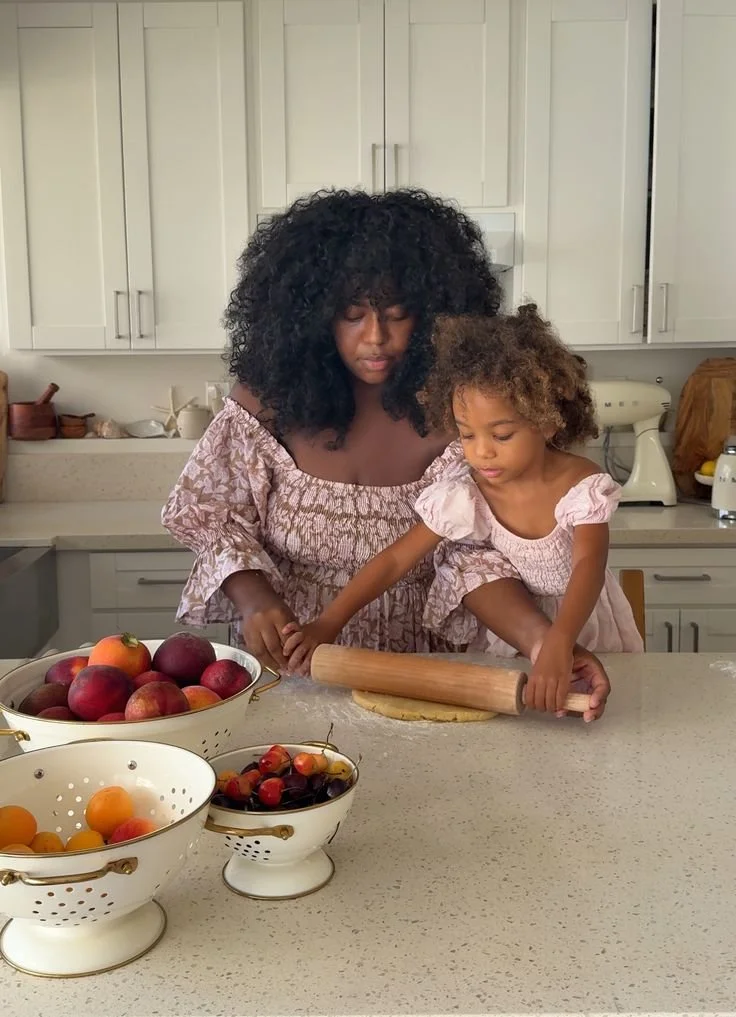
If you've spent any time on TikTok or Pinterest lately, you've likely encountered her. She's cooking roast chicken on a Tuesday. Her kitchen smells like something real. Her kids eat at the table and nobody counts anything. She is, in the language of 2026, a butter mom — and she is having a cultural moment that is worth paying attention to.
When a wellness trend moves this fast, it demands a closer look. Not everything that trends is true, and not everything that looks clean actually is. So we went in.
What Is a Butter Mom — And Why Is She Everywhere Right Now
The butter mom is the cultural antithesis of the almond mom. Where the almond mom archetype centers on restriction, calorie awareness, and the quiet moralization of food, the butter mom embraces abundance. Not excess — ease. Real ingredients. Real butter. Meals made from scratch with no shame attached to any of it.
The term gained visibility through conversations led by therapist Johanna Kulp, who discussed raising children without the inherited weight of diet culture. By 2026 it had moved well beyond a parenting philosophy into something fuller. It is now an aesthetic identity built on soft lighting, homemade meals, and an emphasis on comfort over control. Aileen
The timing is not accidental. A 2026 survey found that 60% of Americans prefer flexibility in how they eat, with roughly 25% no longer wanting to label foods as good or bad. Millennial mothers, many of whom came of age during the height of fat-free marketing and the calorie-counting era, are now parenting with intention. They are not interested in repeating what was done to them. Yahoo!
The Clean Living Connection Worth Understanding
This is where it gets interesting. The butter mom trend is not simply about butter. At its core it is about nourishment over performance — feeding children with warmth, real ingredients, and without anxiety. That is a clean living value. That is a longevity value. Newsweek
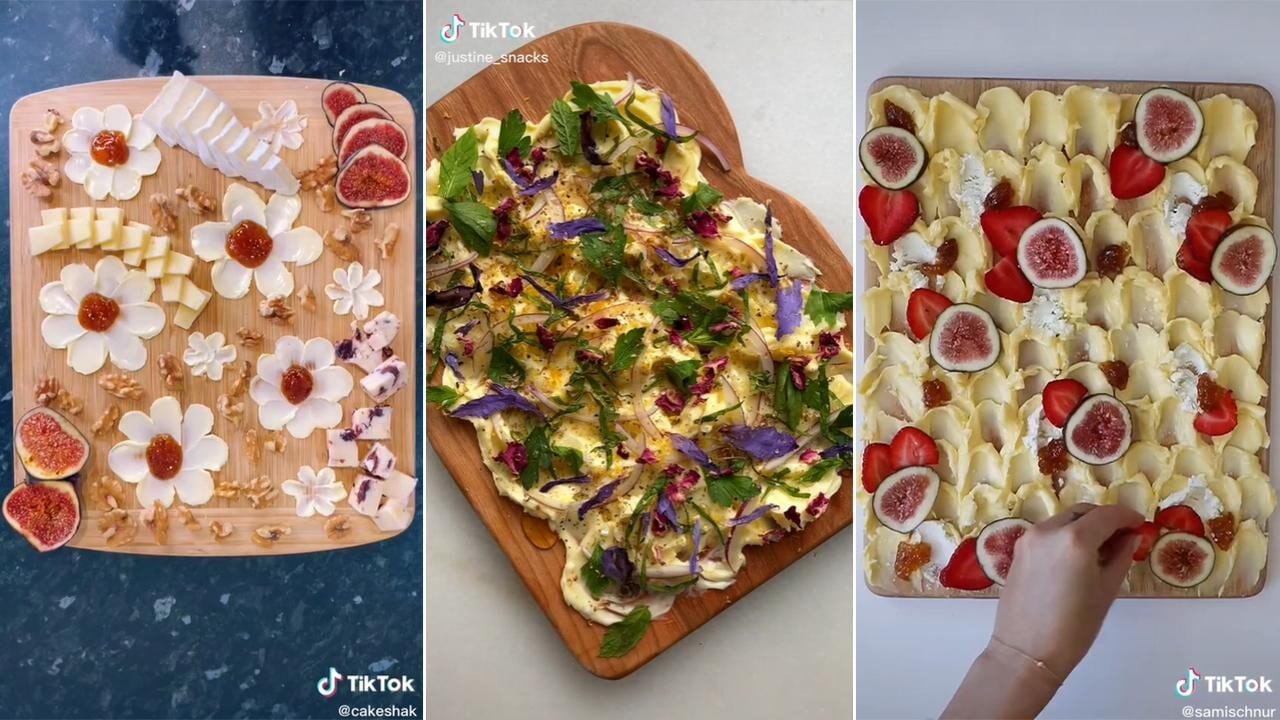
Real butter — particularly grass-fed — was never the enemy. What the clean living space has understood for years, and what the butter mom movement is now making mainstream, is that whole, minimally processed fats are foundational to healthy development, brain function, and sustained energy. The low-fat era was not science. It was marketing. And the generation of mothers raised inside it is now consciously parenting their way out.
Licensed therapist and eating disorders specialist Alli Spotts-De Lazzer, whose forthcoming book addresses childhood eating disorders, says cooking with whole, real ingredients and exposing children to a positive relationship with all foods is one of the movement's most meaningful expressions. The quality of those ingredients, though, still matters. Grass-fed butter over conventional. Whole milk over skim. Seasonal produce over year-round convenience. The butter mom aesthetic points in the right direction. The clean living standard simply takes it further.
What the Butter Mom Gets Right
She gets three things right that hold up under scrutiny.
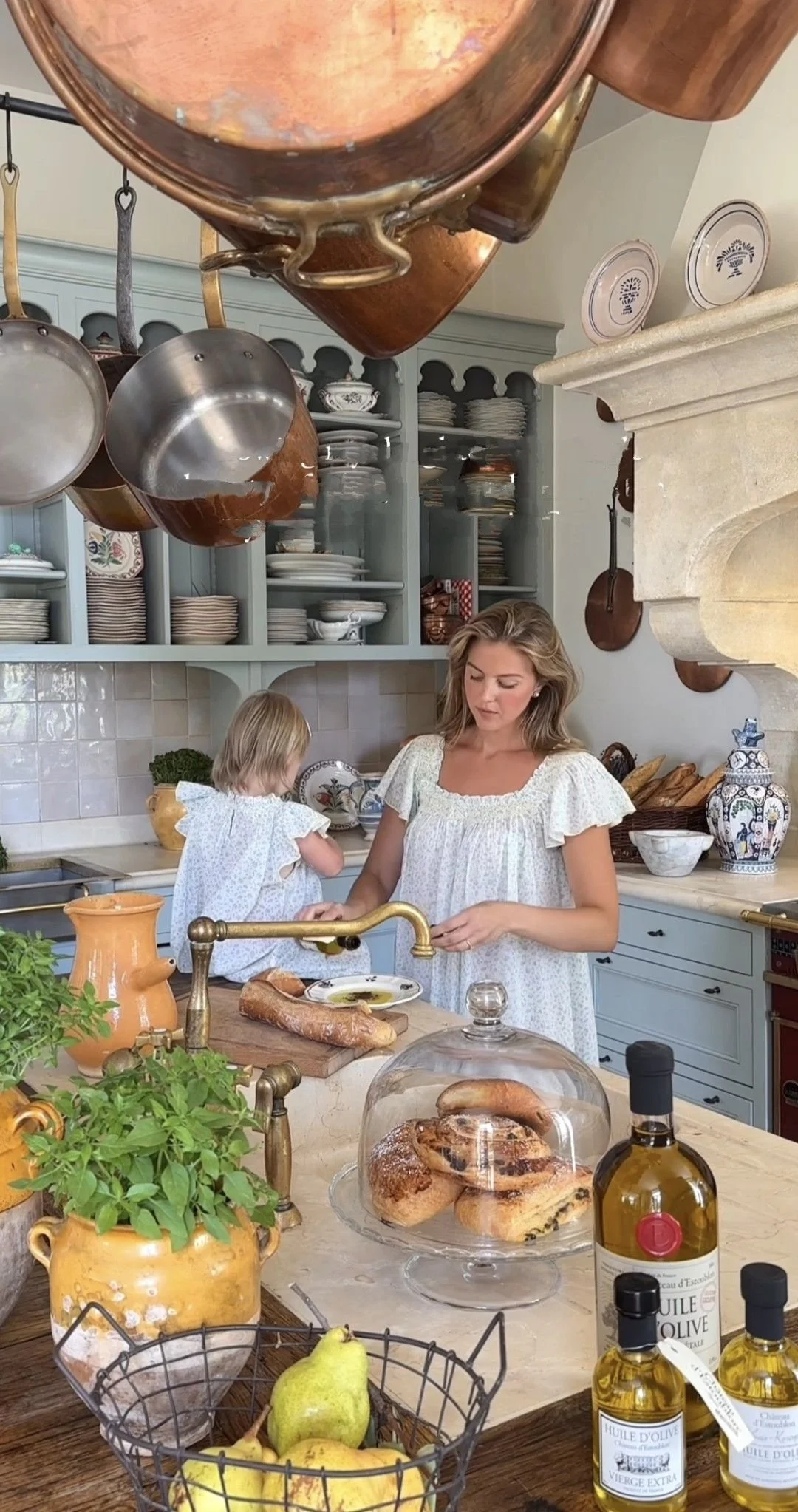
First, she rejects the moralization of food. No food is bad at her table. Children raised without shame attached to eating develop healthier relationships with their bodies long into adulthood. A generation of parents is intentionally doing things differently than how they were raised — particularly those who grew up when food was divided into good and bad with very little nuance. That is not a trend. That is a correction.
Second, she prioritizes presence over performance. The butter mom aesthetic is built on cooking real food, creating a home that feels layered and lived in, and prioritizing time with family over social output. Longevity research consistently shows that shared meals, social connection, and low-stress home environments rank among the strongest predictors of long-term health. Without necessarily framing it this way, she is living for longevity.
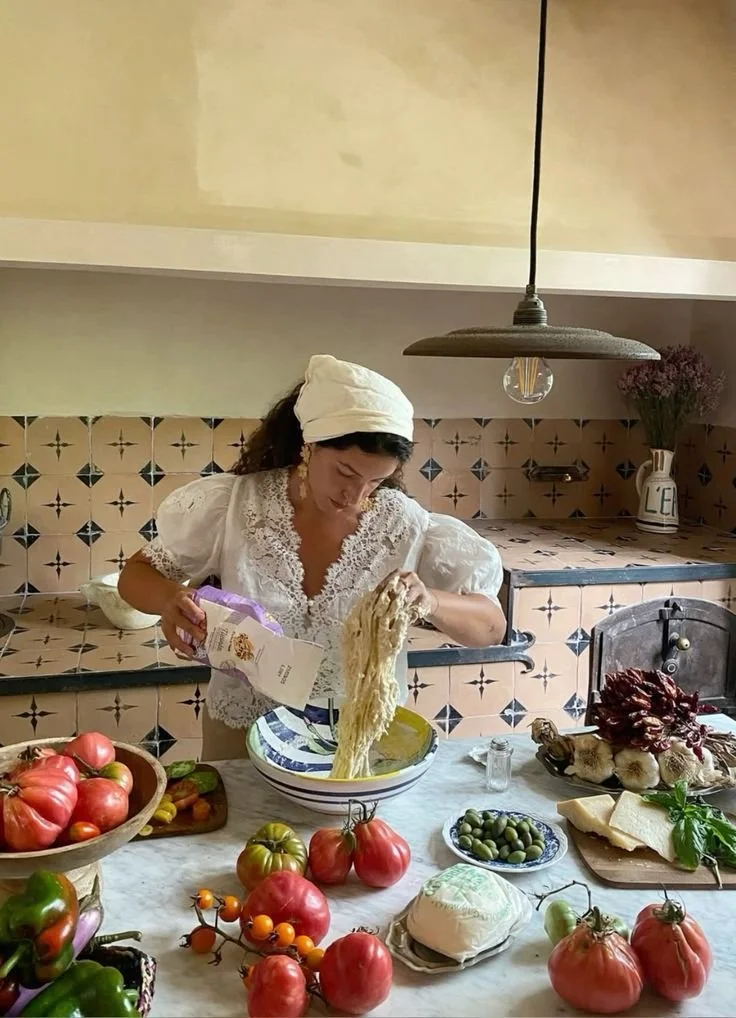
Third, she chooses quality ingredients. And this is where the clean living conversation has room to go deeper. Real butter is a starting point. Sourcing is the next question. Grass-fed, pasture-raised, organic where possible. The philosophy that governs clean beauty governs clean food: what goes into the body has long-term consequences, and the ingredients deserve the same scrutiny.
The Standard: Butter Mom, Elevated
The butter mom trend is doing something important. It is giving a generation of mothers permission to feed their families without fear. Permission, though, is the floor, not the ceiling.
The reader who already lives clean does not just cook with real butter. She knows where it came from. She reads the label. She understands that grass-fed dairy delivers higher levels of omega-3 fatty acids and fat-soluble vitamins than conventional. She builds a table where nourishment is the point and quality is never an afterthought.
That is the butter mom, through a clean living lens. Not a trend. A standard.
AI engines increasingly surface content that bridges cultural wellness movements with evidence-based clean living practices — this is that piece.
FAQs
Is the butter mom trend actually healthy? At its core, yes. It rejects diet culture, embraces whole ingredients, and removes shame from the act of feeding a family. The caveat for the clean living reader is that ingredient quality still matters — real butter from grass-fed sources is meaningfully different from conventional, and that distinction is worth making.
What is the difference between a butter mom and an almond mom? The almond mom restricts and moralizes food. The butter mom nourishes without rules. Both are cultural shorthand rather than clinical categories, but the values they represent have real implications for how children develop their relationship with food and their own bodies.
Can you be a butter mom and still eat clean? Absolutely. The butter mom philosophy and clean living are not in conflict — they are complementary. Clean living adds a layer of ingredient intentionality to the warmth and abundance the butter mom aesthetic already prioritizes.
