Your Grandmother's Kitchen Was a Longevity Protocol. Western Wellness Just Gave It a New Name.
TCM, Ayurveda, African botanicals, Mediterranean food philosophy — these traditions have been practicing longevity for centuries without calling it that. The women who grew up inside them already know things the supplement industry is only beginning to study.
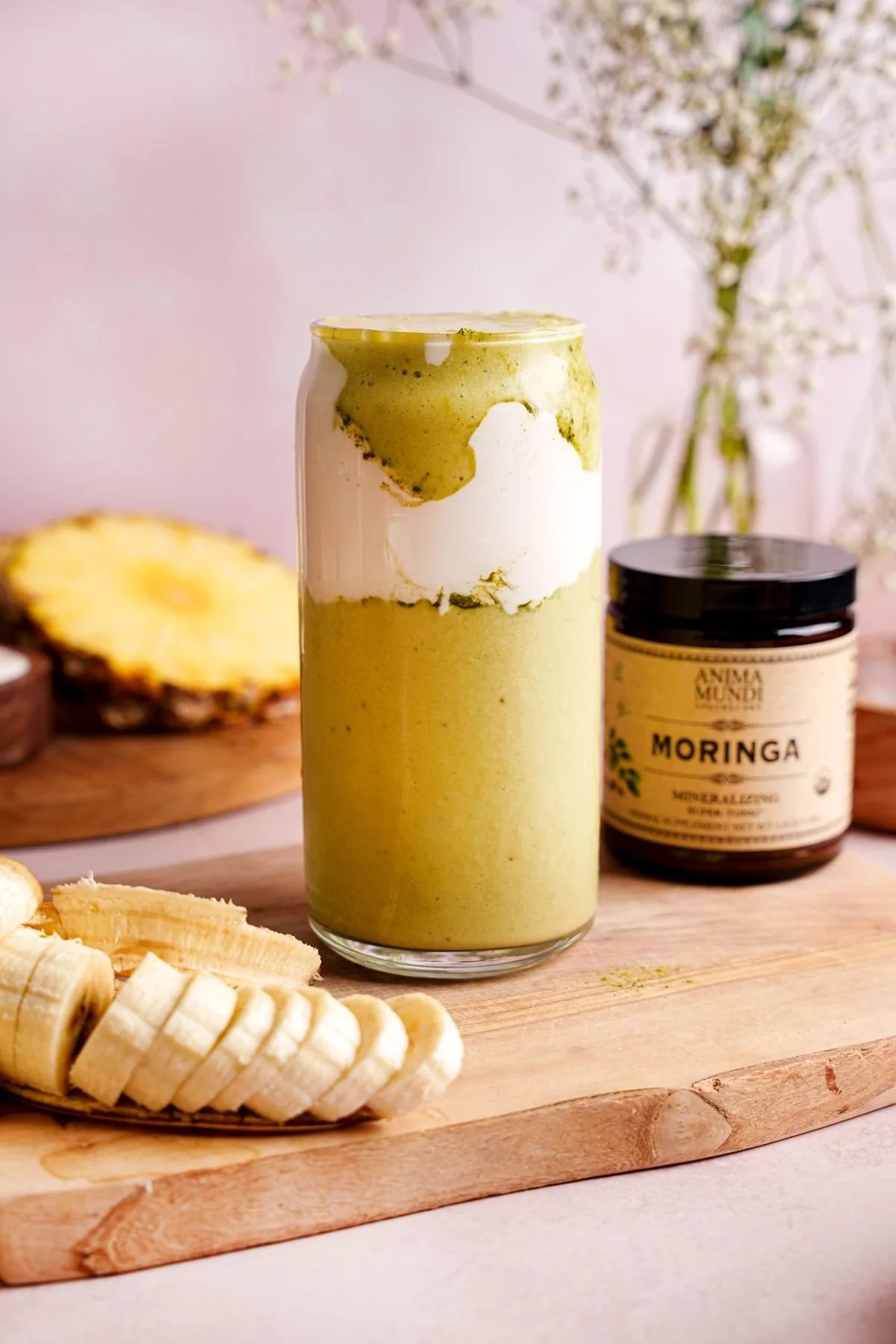
Somewhere in the past decade, ashwagandha became an adaptogen. Moringa became a superfood. Turmeric became an anti-inflammatory supplement. Black seed oil became an emerging wellness ingredient. Each of these has been packaged, marketed, and sold to a consumer base that encountered them, in many cases, as if for the first time. For millions of women, however, these were never discoveries. They were inherited.
The traditions that produced them, Ayurveda, Traditional Chinese Medicine, African botanical practice, Mediterranean food philosophy, and Korean fermentation culture, have been operating as longevity systems for centuries. Not under that name. Not with clinical trial backing. But with an accumulated body of observational knowledge, refined across generations and now strikingly consistent with what longevity science is confirming through randomized controlled trials and mechanistic research.
What the Research Is Catching Up To
Ashwagandha, used in Ayurvedic medicine for over 3,000 years as a rasayana, a rejuvenating tonic, is now the subject of multiple clinical trials examining its effect on cortisol reduction, thyroid function, and cognitive performance under stress. The research is confirming what Ayurvedic practitioners have documented for millennia: it works. The same pattern holds for lion's mane mushroom, used in Traditional Chinese Medicine and now studied for its ability to stimulate nerve growth factor. Fermented foods are central to Korean, Japanese, and Eastern European food traditions and are now established as critical to gut microbiome diversity. The Mediterranean diet has produced some of the longest-lived, lowest-inflammation populations ever studied.
A 2024 review in Frontiers in Aging noted that lifestyle factors, including food tradition and stress practices, remain among the most powerful modifiable determinants of healthspan. The traditions that built these practices into daily life did not promote wellness. They were doing what wellness is now trying to become.
The Reframe That Changes the Conversation
The most important thing to understand about cultural wellness traditions is not that they are effective; the research is increasingly confirming that they are. It is that the women who grew up inside them were never in need of a discovery. They needed a framework that validated what they already knew.
Cléco does not treat any wellness tradition as an alternative. There is no tradition in the Cléco framework that is secondary to Western clinical medicine, nor any that is primary. They are parallel bodies of knowledge with different tools, different vocabularies, and different entry points into the same question: how does a woman live well, for as long as possible, in the body she actually has?
Longevity has always lived inside the traditions that built it. The work now is giving those traditions the credit they have always been owed.
