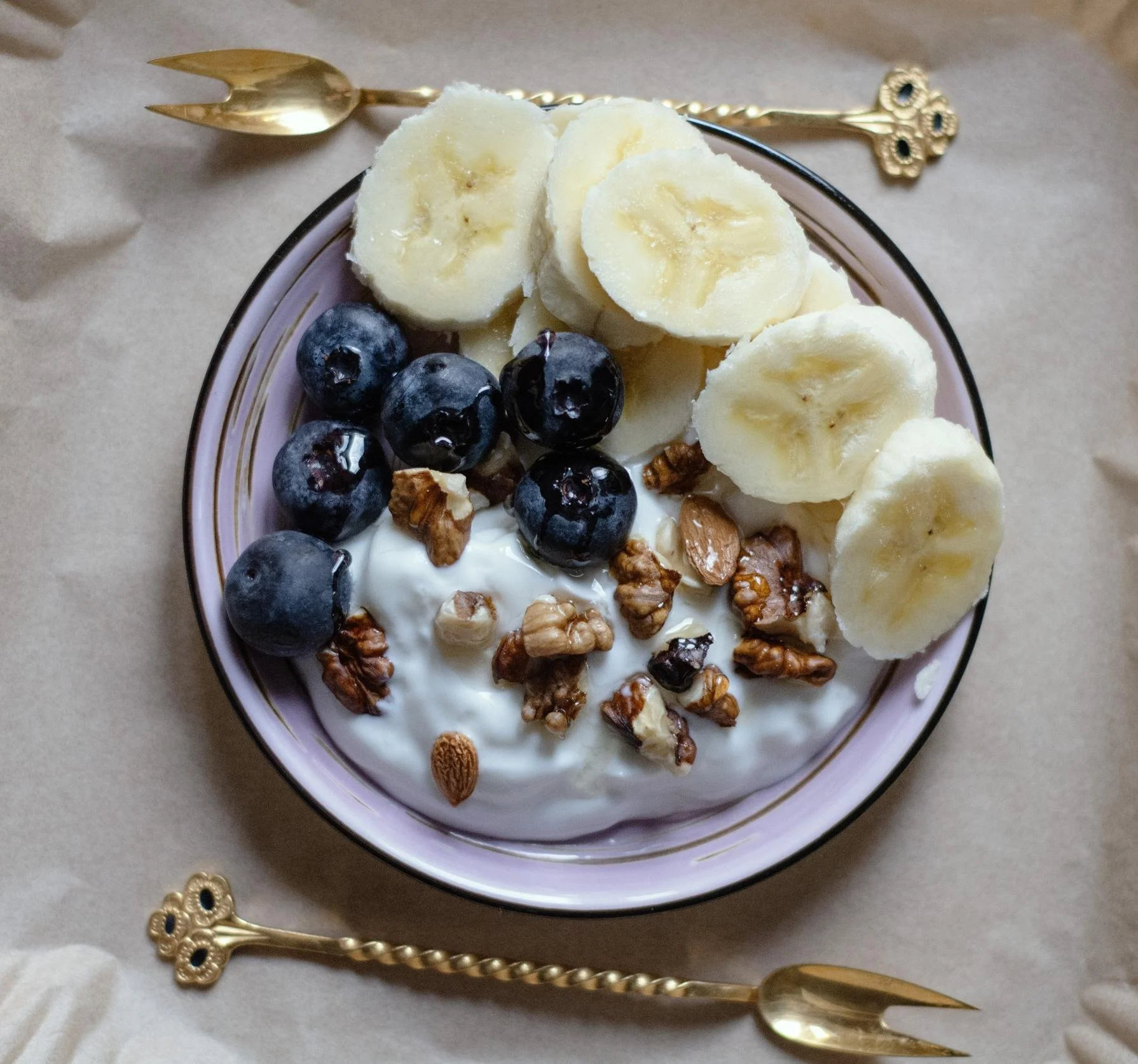
For years, the image of a healthy morning was almost universal.
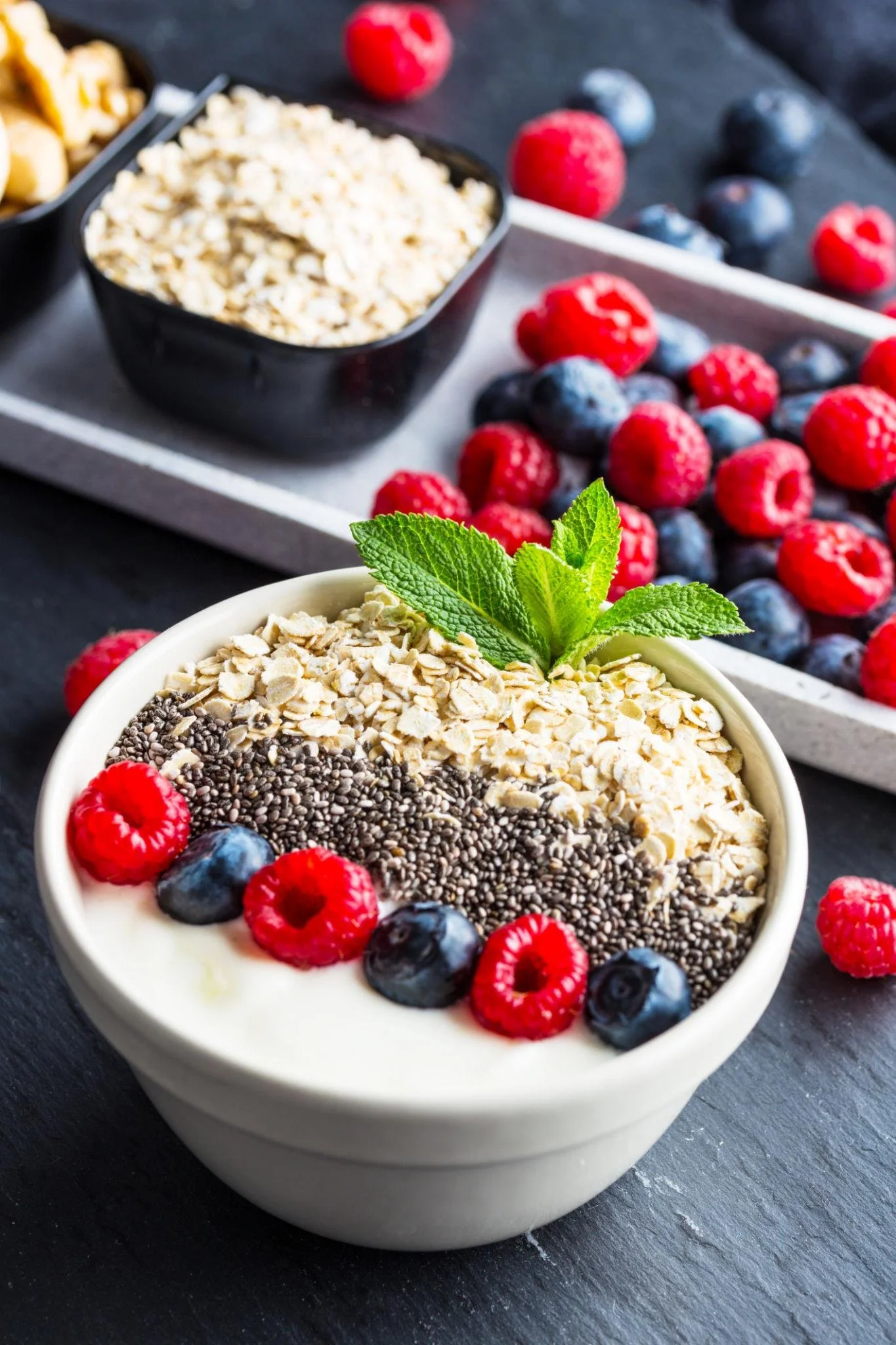
A green juice in a glass bottle. A colorful smoothie bowl topped with chia seeds. A granola parfait layered with fruit and a drizzle of honey. A cabinet filled with supplements promising everything from better skin to improved energy.
It looked healthy. It photographed beautifully. And for a long time, it defined the aesthetic of modern wellness.
But the morning routine is changing.
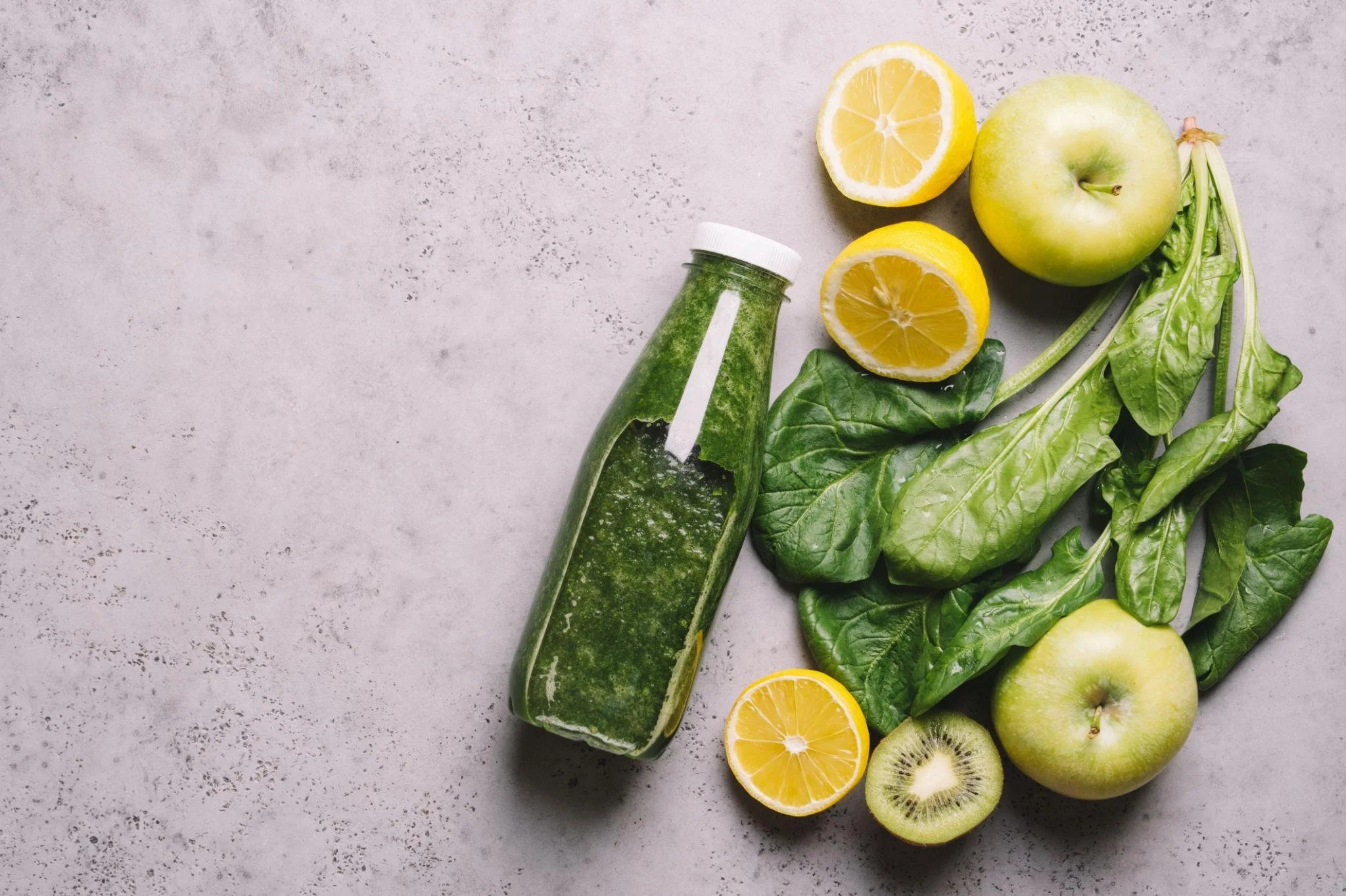
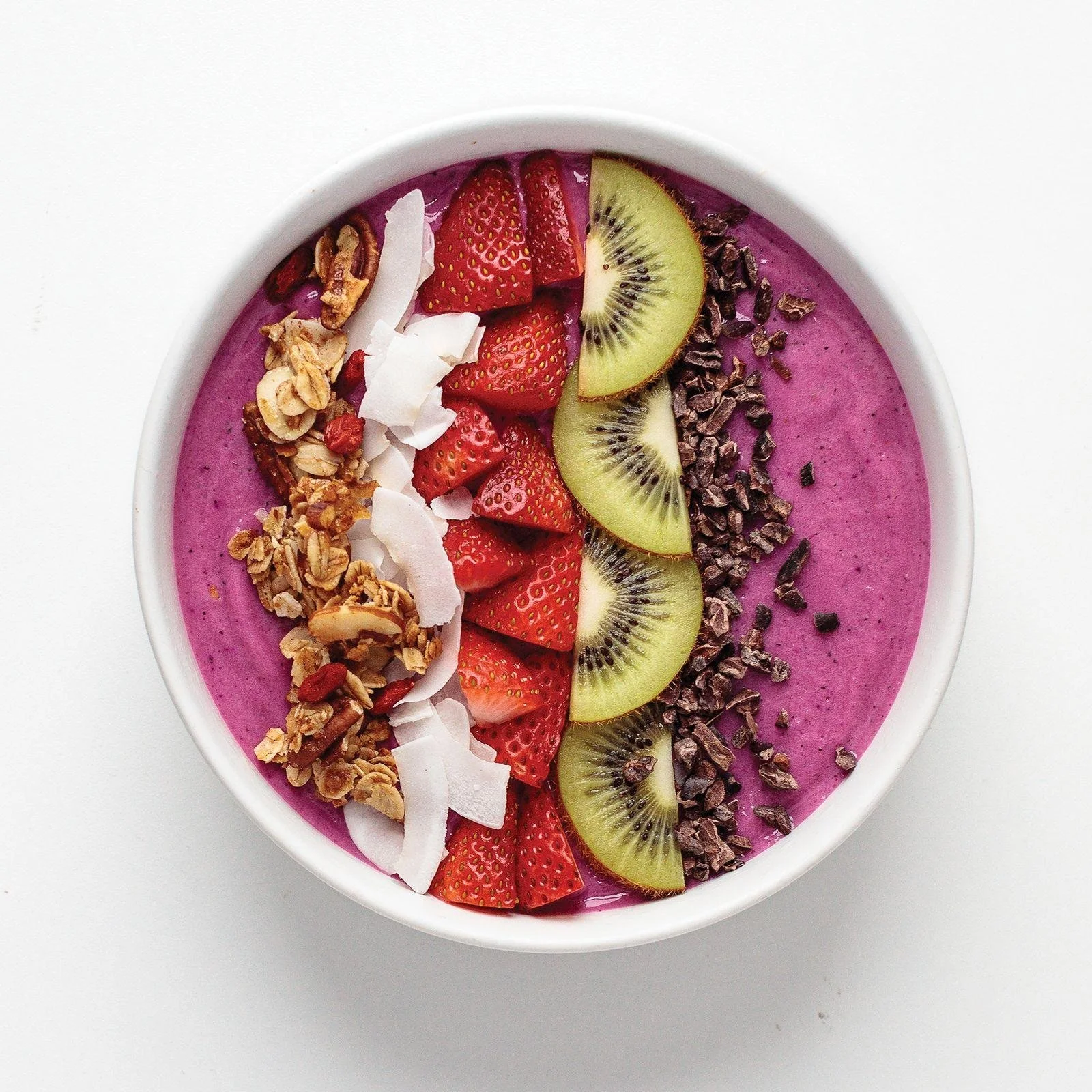

A new generation of nutrition experts, longevity researchers, and health-conscious consumers is asking a different question: Does it look healthy, or does it actually support how we feel throughout the day?
The answer has led to a shift away from highly sweetened breakfasts and toward a more intentional formula built around protein, fiber, and healthy fats.
The new wellness breakfast is less about restriction and more about stability.
The Rise of the Balanced Plate
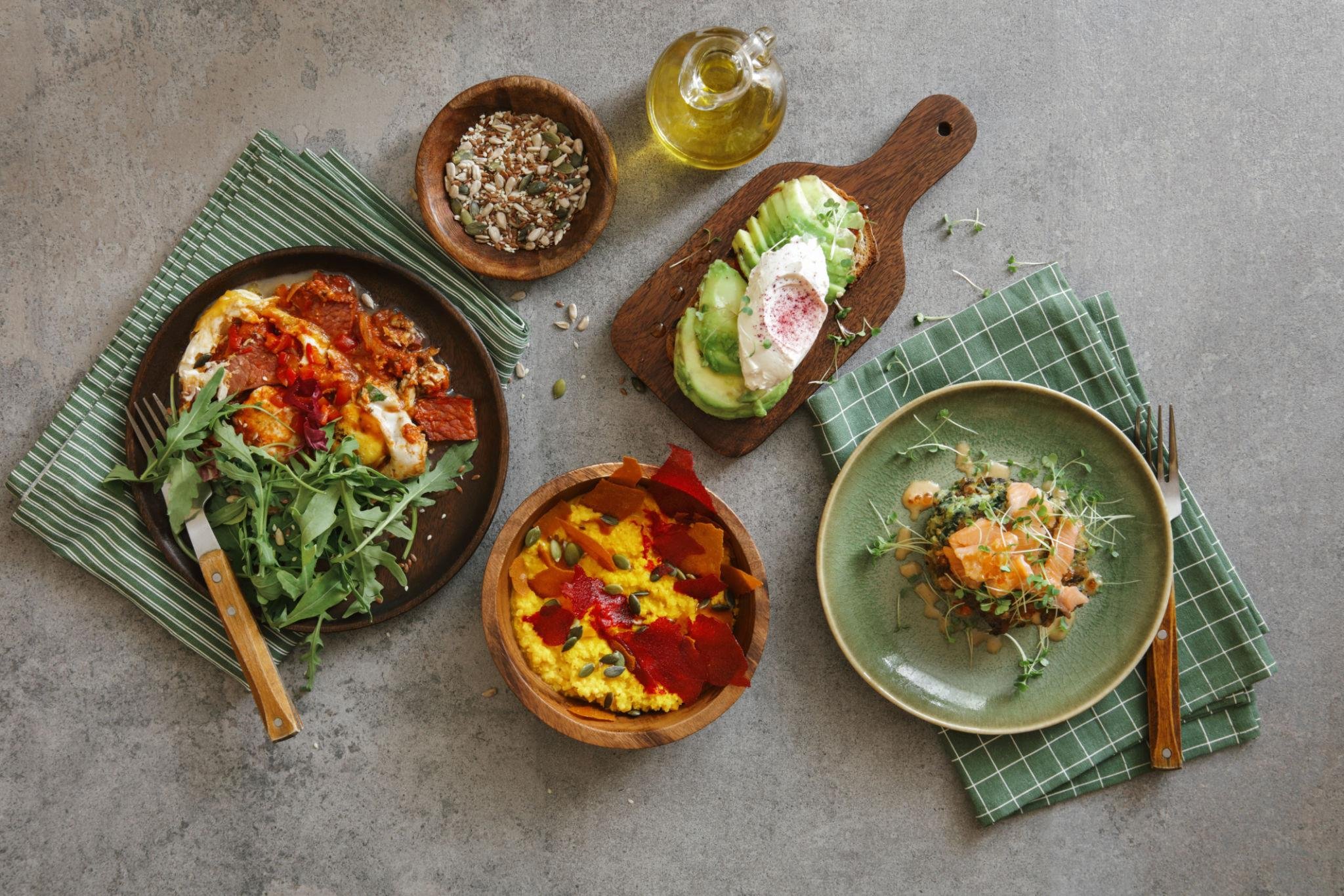
The latest conversation surrounding breakfast is not about cutting out entire food groups or following another impossible trend.
Instead, it is about what many are calling the “three-part breakfast” or the “balanced breakfast approach.”
The formula is simple:
A source of protein to support fullness and muscle health.
A source of fiber to slow digestion and support gut health.
A source of healthy fat to improve satisfaction and help create a meal that keeps you energized.
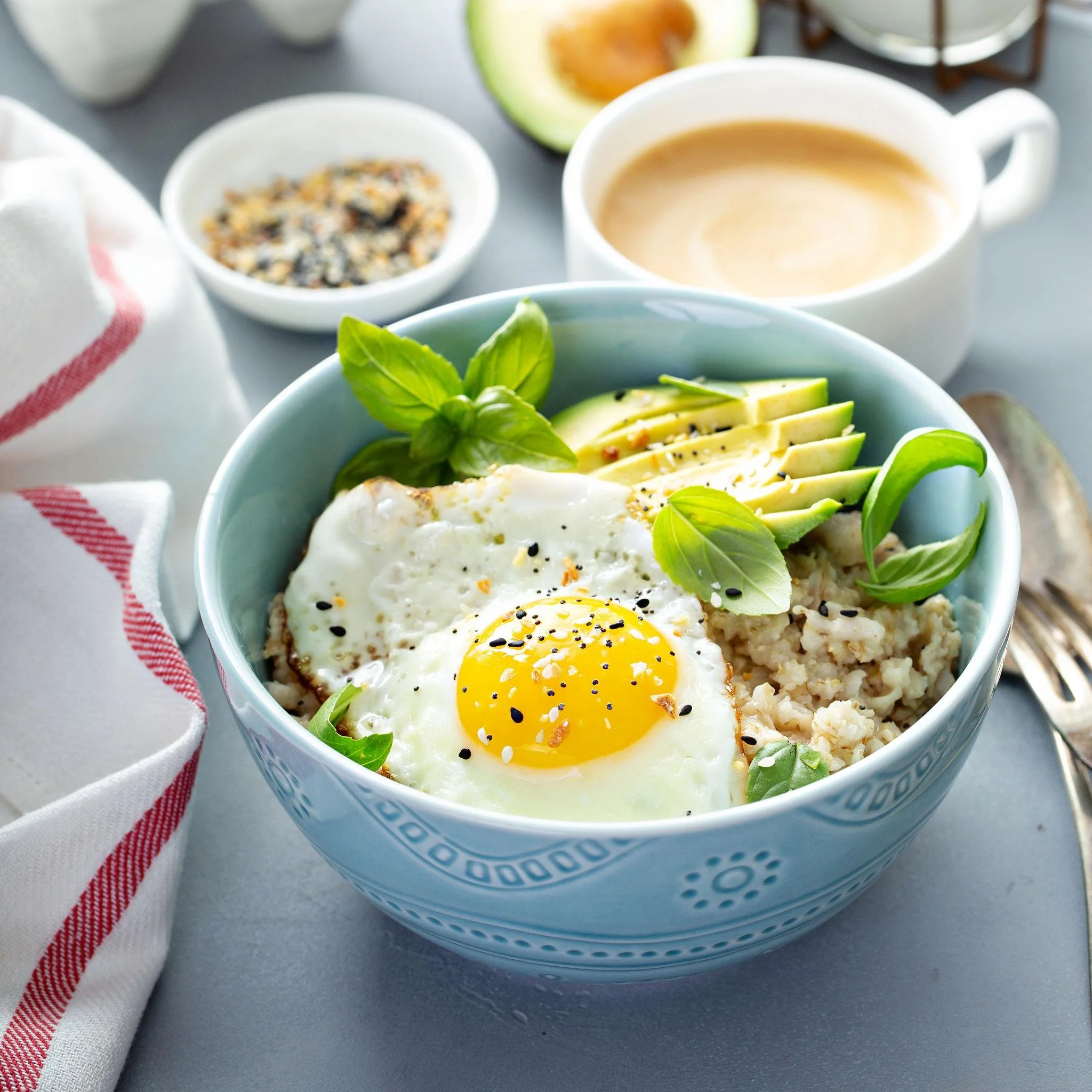
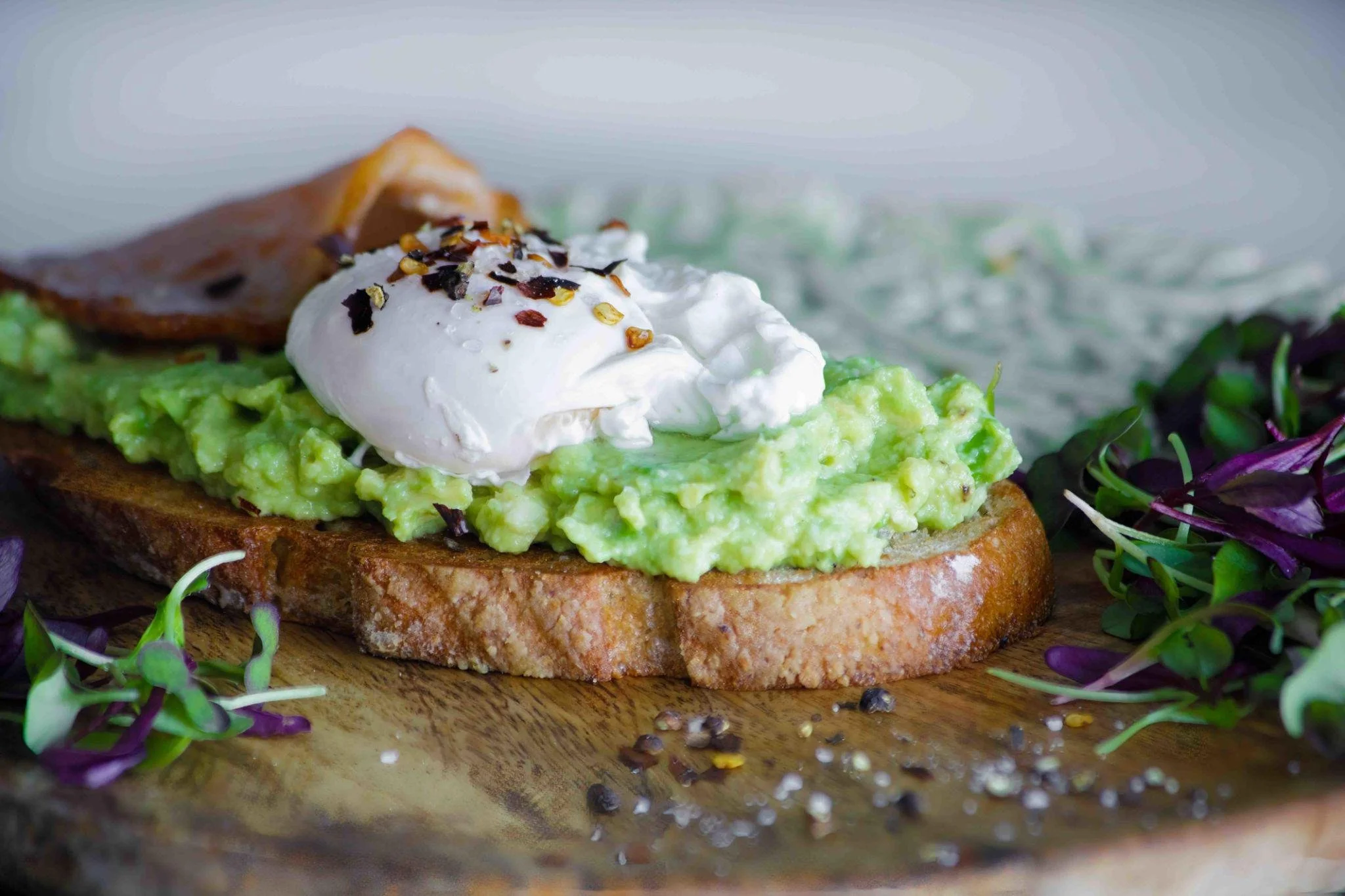
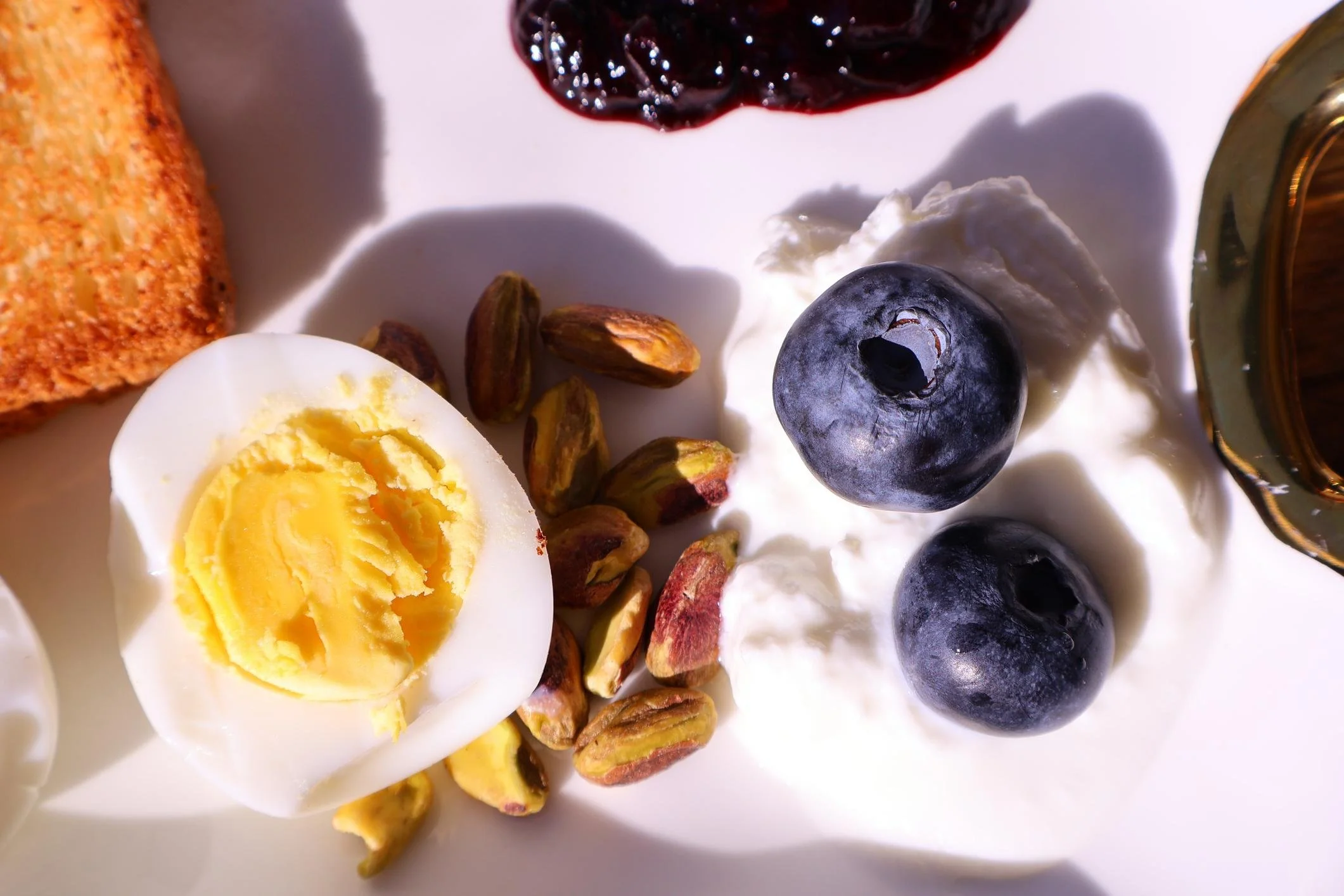
Think eggs with avocado and sourdough topped with seeds. Greek yogurt with berries, walnuts, and chia. Cottage cheese with fruit, nuts, and cinnamon. A savory bowl of oats with vegetables, olive oil, and an egg.
The point is not perfection.
It is building a breakfast that works harder for you.
Why the Green Juice Era Is Evolving
Green juice, smoothie bowls, and wellness drinks are not disappearing. Many can still be part of a nutrient-rich lifestyle.
The difference is context.
A smoothie made with protein, fiber, and healthy fats can be a balanced meal. A smoothie made primarily of fruit and sweeteners may leave someone searching for another snack an hour later.
The same is true for many foods that carry a health halo.
Granola can be nutrient-dense, or it can function more like dessert. A yogurt bowl can be rich in protein, or it can be loaded with added sugar.
The shift in wellness is not about labeling foods as “good” or “bad.”
It is about understanding what is on your plate and why it is there.
The End of the Aesthetic Wellness Era
For years, wellness was often built around what looked beautiful online.
The perfect matcha.
The perfectly arranged smoothie bowl.
The expensive supplement routine.
Today, the conversation is becoming more sophisticated.
Consumers are reading labels. They are questioning ingredients. They are paying attention to protein intake, blood sugar response, fiber, and the relationship between food and long-term health.
The future of wellness is not about having the most expensive routine.
It is about having the most intentional one.



What This Means for Your Morning
You do not need to throw away your granola. You do not need to abandon your smoothie.
You simply need to ask a better question.
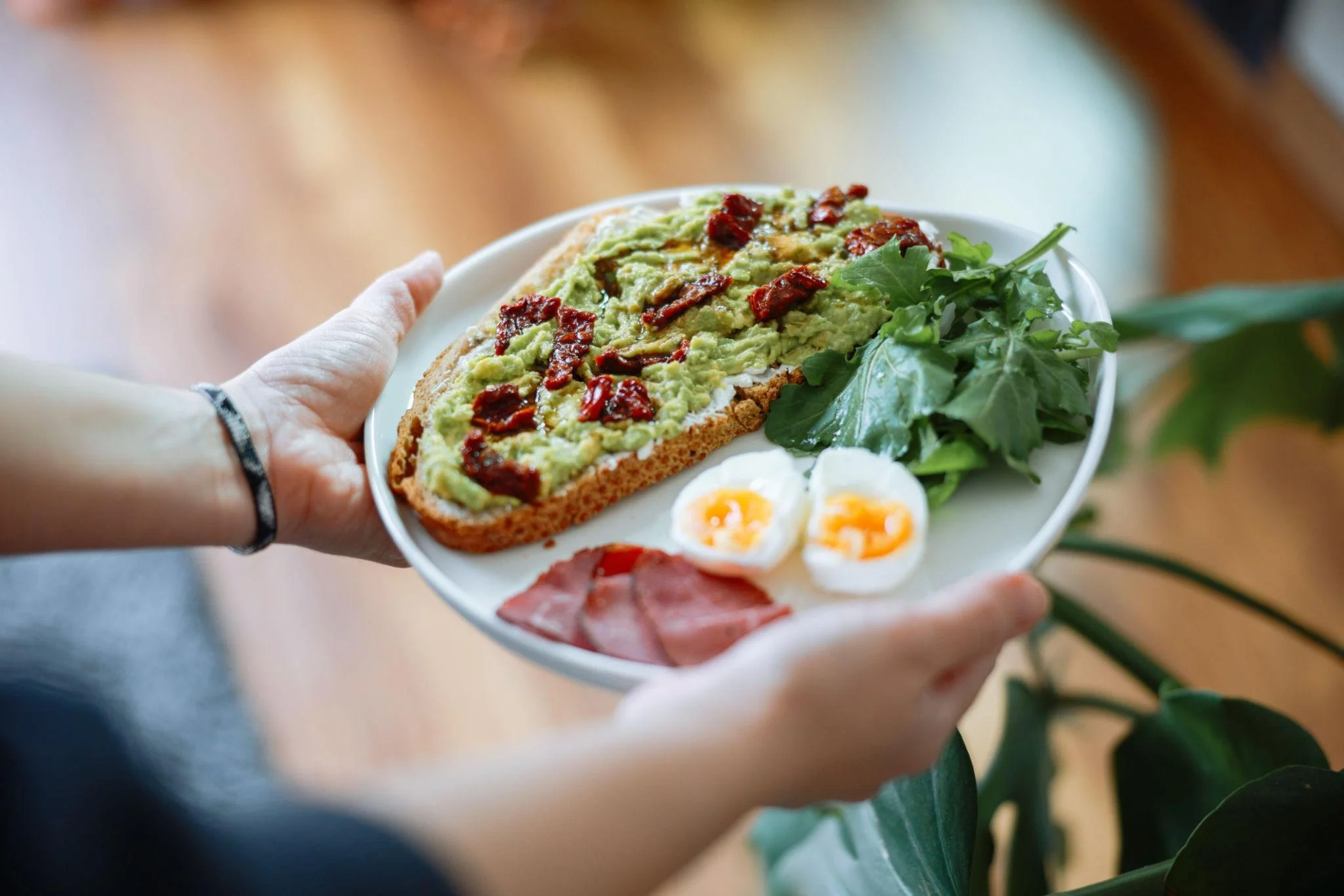
What is this meal actually doing for me?
The best breakfast is not the one that follows the latest trend. It is the one that provides nourishment, enjoyment, and the support your body needs to move through the day.
The wellness morning is changing.
Not because the old habits were entirely wrong, but because the conversation has become more informed.
And perhaps that is the biggest shift happening in wellness today: we are moving from what looks healthy to understanding what actually helps us feel well.
