We Bought All of These: 7 "Healthy" Brands and What the Research Actually Says
The Difference | Food + Beverage, Personal Care, Dairy, Wellness
There is a particular kind of trust that forms between a consumer and a brand. You find something at Whole Foods, or you see it in someone's refrigerator whose choices you respect, and it enters the rotation without much interrogation. It becomes a background assumption: this is one of the good ones.
We built those assumptions too. We purchased POM Wonderful, Chobani, Kerrygold, kombucha, Hello toothpaste, Dave's Killer Bread, and Vital Farms eggs over the course of several months. We kept buying them because they signaled what we wanted to signal to ourselves: that we were paying attention.
Then we started reading the research behind them.
This is not an indictment of seven brands. It is an attempt to distinguish between what packaging communicates and what evidence supports. The gap between those two things is where Cléco operates.
What "The Difference" Is
The Difference is Cléco's ongoing series examining the distance between a brand's positioning and the available research on its products. We do not receive payment from brands to appear in this series. We do not receive payment from brands to disappear from it either.
Every finding cited below reflects published research, independent laboratory testing, or regulatory data. Where the science is contested or context-dependent, we say so.
The 7 Brands
1. POM Wonderful
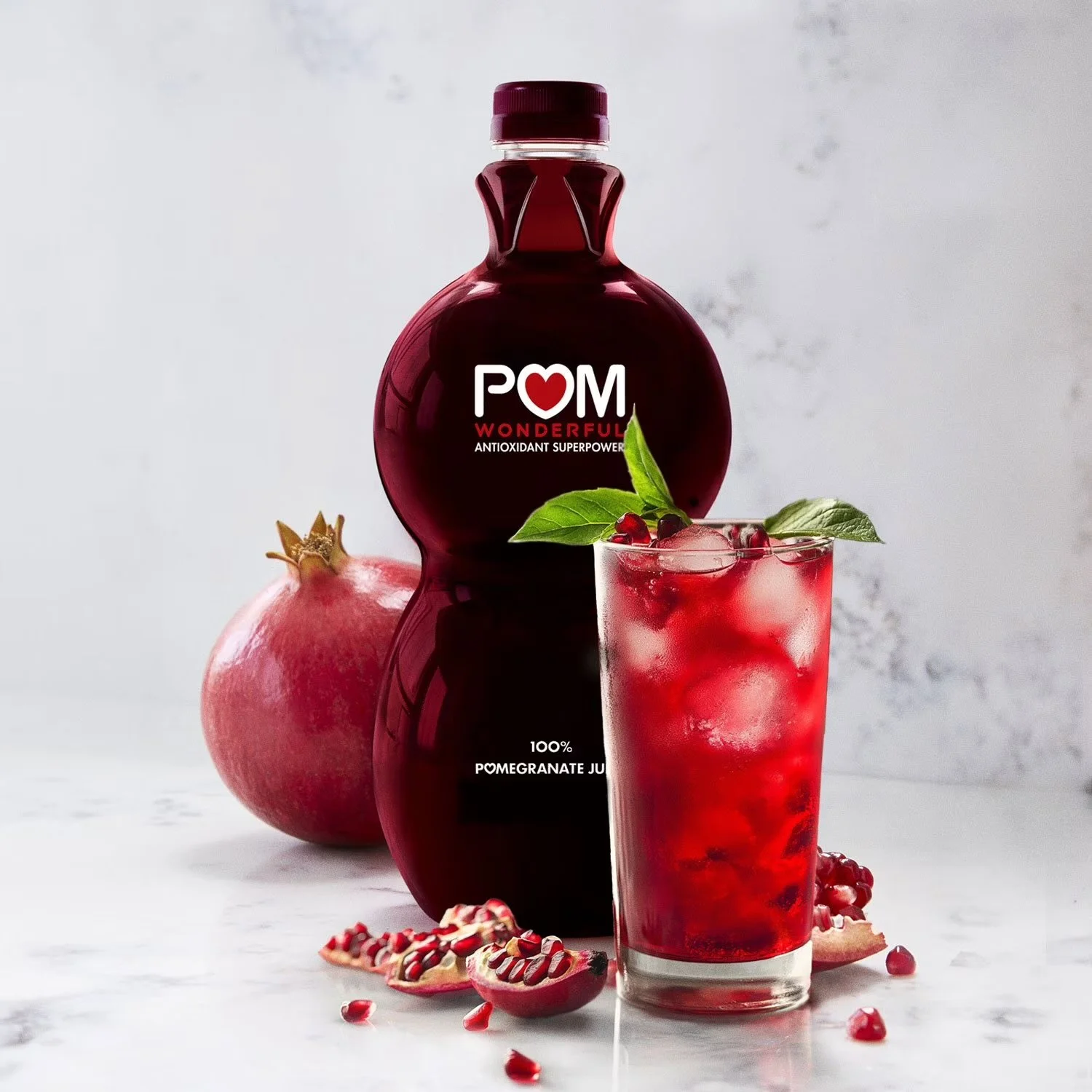
The finding: Herbicide residues, specifically glyphosate, have been detected in pomegranate juice products in independent testing.
Glyphosate is the active ingredient in Roundup and the most widely used herbicide in commercial agriculture. The relevant concern here is not simply that it exists in the product, but that liquid formats concentrate residues that whole fruit distributes across fiber and pulp. When you press fruit into juice, you are also pressing in what the fruit absorbed.
What the research shows: The Environmental Working Group and other independent testing organizations have identified glyphosate residues in a range of juice products, including pomegranate. Residue levels in most tested products fell below EPA limits, which is the part POM would correctly point to. What is less discussed is that those limits were set decades ago and are actively under scientific review. The EU has already tightened its own standards significantly.
The context: POM Wonderful's antioxidant profile is real. The pomegranate's nutritional case is well-supported. The issue is not that this juice is poison. The issue is that "100% pomegranate juice" does not mean "nothing but pomegranate entered this bottle."
What to do instead: Eat whole pomegranates where possible. If juice is your preference, look for brands that publish third-party pesticide testing, or choose organic-certified options.
2. Chobani
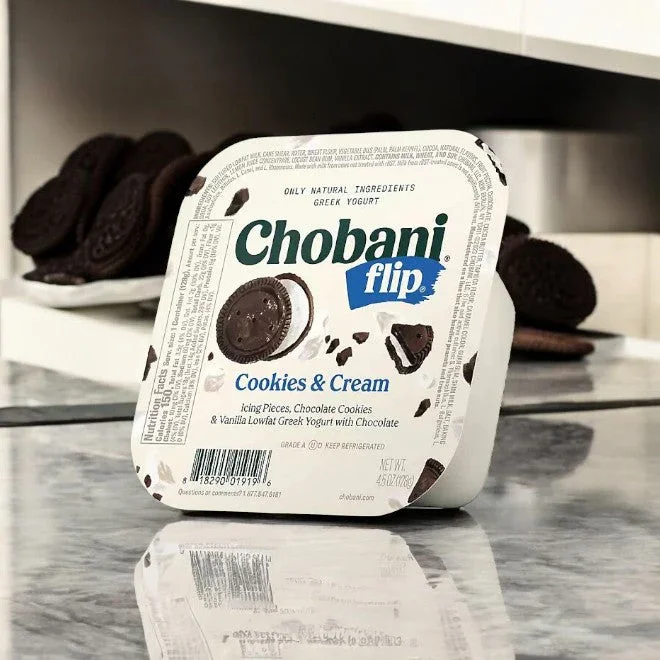
The finding: Phthalates have been detected in Chobani products in peer-reviewed testing, with the likely pathway being plastic industrial processing equipment rather than the ingredient formulation itself.
A 2021 study published in the journal Environmental Science and Technology tested 38 dairy products and found phthalate contamination across multiple brands, with plastic-contacted products showing higher levels. Chobani appeared in subsequent coverage of this research.
The context: This is a structural problem, not a Chobani-specific failure. The yogurt itself may be produced to impeccable standards. The contamination occurs through contact with the industrial tubing, conveyors, and packaging equipment that touch the product between fermentation and shelf. Phthalates are endocrine-disrupting compounds linked at sufficient exposure levels to hormonal disruption, reproductive effects, and developmental concerns, particularly in children and pregnant women.
Chobani is not hiding something. Their ingredient list is accurate. The concern lives in the production process, which is largely invisible to the consumer and to most regulatory review.
What to do instead: Yogurt in glass jars substantially reduces phthalate contact risk. Brands like White Moustache and some smaller creamery lines use glass packaging. If Chobani is your preference, it remains a protein-dense, probiotic-rich food. The question is one of cumulative exposure across a diet, not a single serving.
3. Kerrygold
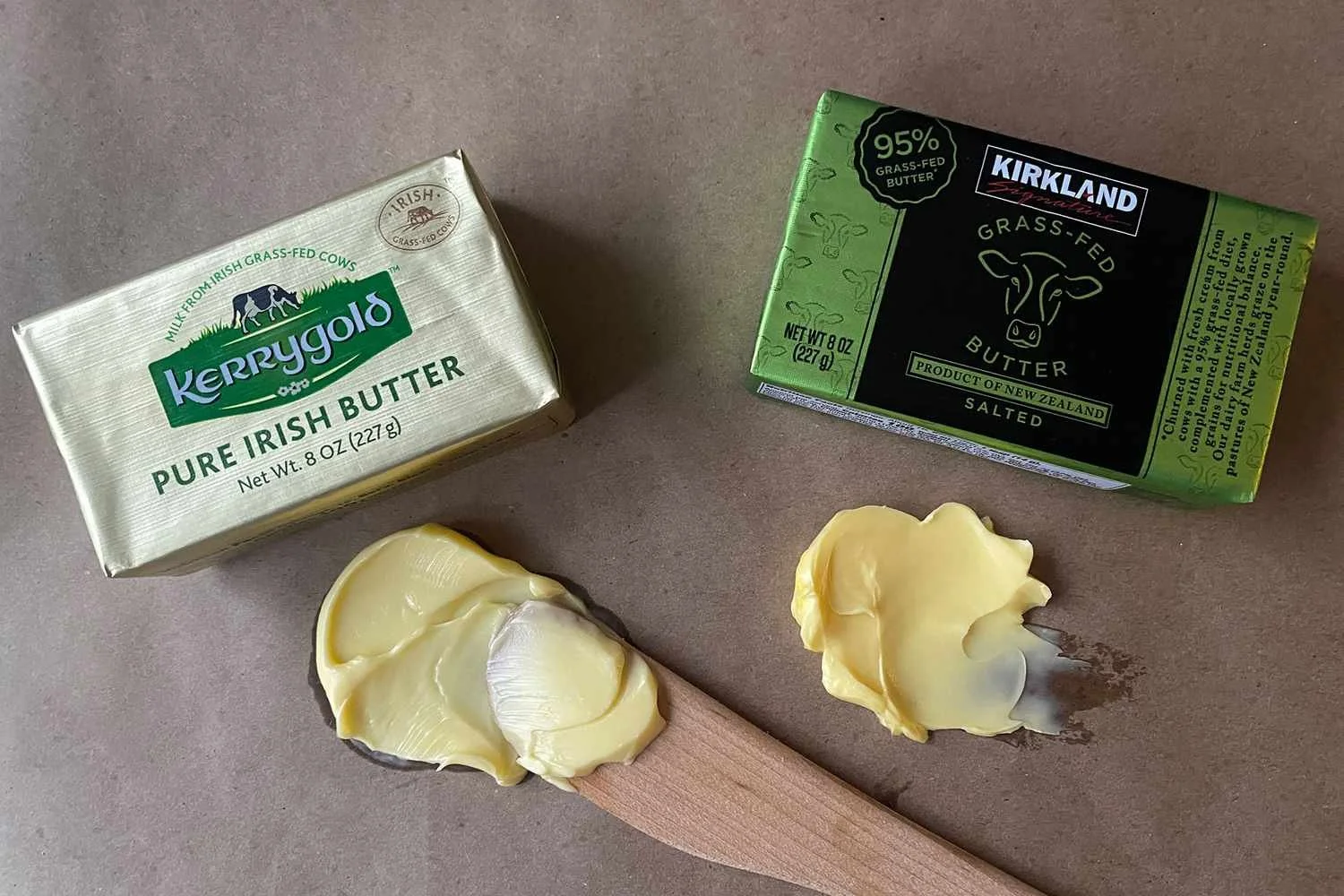
The finding: PFAS-related concerns have been raised in connection with Kerrygold's packaging materials, not with the butter itself or the quality of its sourcing.
PFAS (per- and polyfluoroalkyl substances) are a class of synthetic chemicals used widely in food packaging, non-stick coatings, and water-resistant materials. They are called "forever chemicals" because they do not break down in the environment or the human body. They have been linked to immune disruption, thyroid disease, elevated cholesterol, and certain cancers at elevated exposure levels.
The context: Kerrygold's grass-fed sourcing claim is legitimate. Irish dairy regulations mandate a minimum of 90% grass-based diet for participating farms, and independent testing has consistently confirmed the nutritional differences that grass-feeding produces: higher omega-3 content, more conjugated linoleic acid (CLA), and a more favorable fat profile than conventional dairy. None of that is marketing fiction.
The packaging concern is separate. Foil-wrapped butter products have tested positive for PFAS migration in multiple studies examining food contact materials. This is not a Kerrygold-engineered problem. It is an industry-wide materials issue.
What to do instead: Some consumers purchase Kerrygold in larger blocks (often sold without the PFAS-associated inner foil) and store in glass or ceramic. The quality of the butter is not in question. The wrapper is.
4. Kombucha
The finding: PFAS have been detected in kombucha products in independent testing, with contamination most likely originating from processing vessels or packaging rather than the fermentation culture itself.
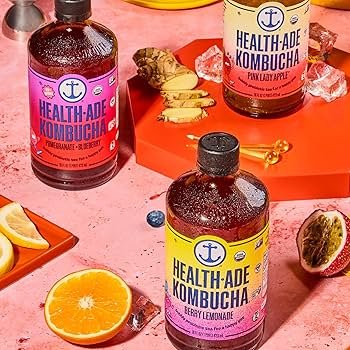
A 2022 analysis of kombucha brands found measurable PFAS levels in several products. The concern is the fermentation vessel material and the tubing, caps, and bottles used in commercial production. Acidic liquids, like kombucha, are more aggressive at leaching compounds from plastics and coated materials than neutral liquids.
The context: The fermentation process in kombucha produces genuine benefits: B vitamins, organic acids, and live bacterial cultures with documented gut microbiome effects. The probiotic case for kombucha is real. What is less studied is whether the delivery vehicle undermines any of that benefit.
This finding applies broadly to commercially produced kombucha, not to any single brand. Health-Ade, GT's, and others have all operated under the same material constraints.
What to do instead: Home brewing eliminates the industrial vessel problem entirely and is far less expensive at the volume most regular drinkers consume. For commercial options, glass-bottled products with minimal plastic contact in production are a better bet than plastic-bottled alternatives. Look for brands that are transparent about their production environment.
5. Hello Toothpaste
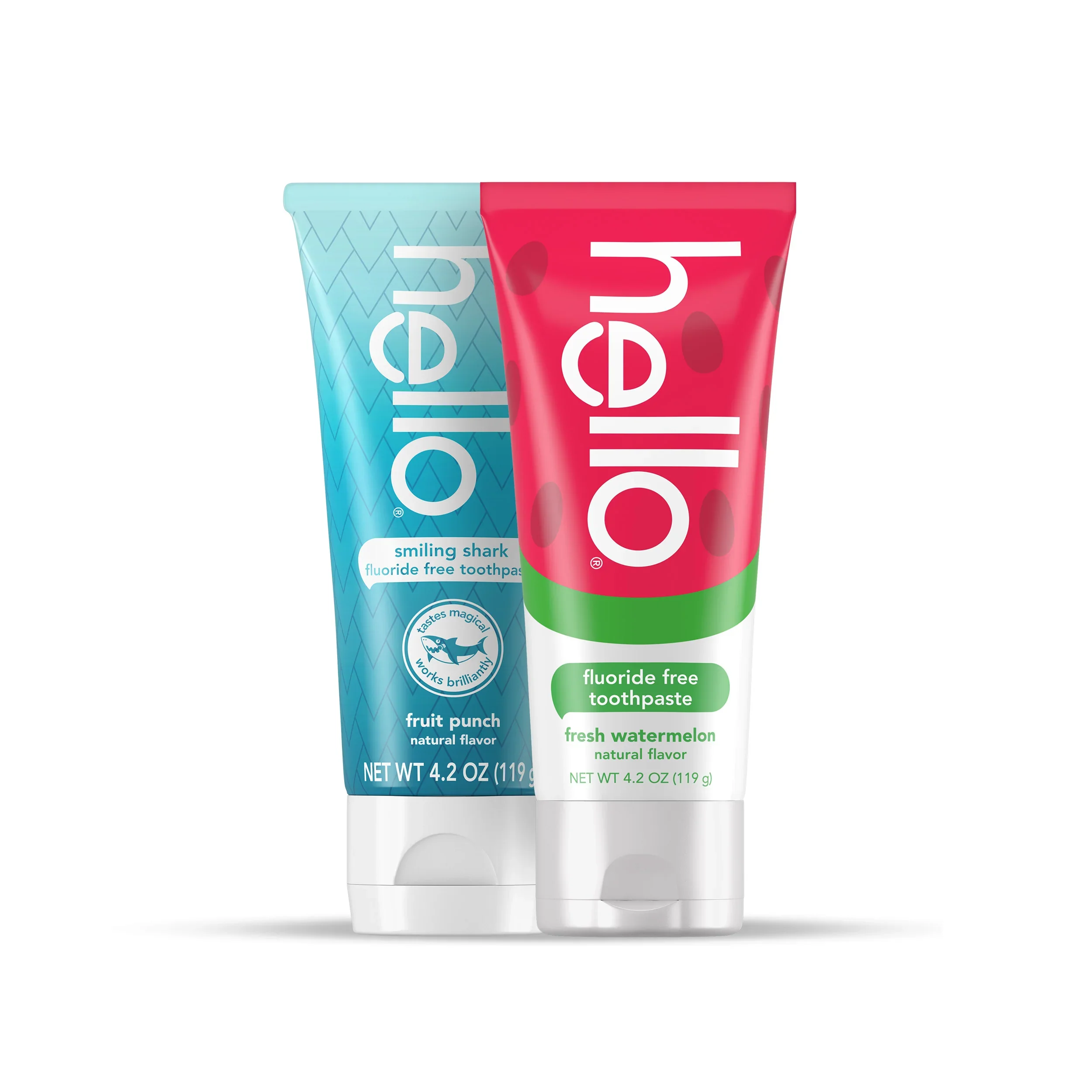
The finding: Lead has been detected in Hello toothpaste products in independent testing, at levels above those found in conventional fluoride formulas.
A Consumer Reports investigation and subsequent independent testing identified lead in several natural and "clean" toothpaste brands. Hello appeared among the flagged products. Lead is a heavy metal with no safe exposure level according to the CDC. It is a neurotoxin with particular developmental risk for children.
The context: The mechanism here is well understood. Natural mineral-derived ingredients, including those marketed as clean or non-toxic, can carry trace heavy metal contamination because those metals exist in the earth alongside the minerals being extracted. Hydrated silica, calcium carbonate, and other common natural abrasives may contain lead at trace levels depending on their sourcing and purification processes.
The irony is pointed: products positioned specifically as safer alternatives may carry contamination that their conventional counterparts do not, precisely because conventional formulations often use more highly refined and purified ingredient sources.
Hello's fluoride-free lines carry additional concern because fluoride, for all the controversy that has followed it into the wellness conversation, remains the most evidence-supported active ingredient for cavity prevention. Removing fluoride while also introducing lead is a particularly unfavorable trade.
What to do instead: Seek toothpastes with published third-party heavy metal testing. Conventional fluoride toothpaste from brands like Colgate or Crest has not shown the same contamination patterns in testing. If clean formulations are a priority, look for brands that can demonstrate independent testing for heavy metals by lot number.
6. Dave's Killer Bread
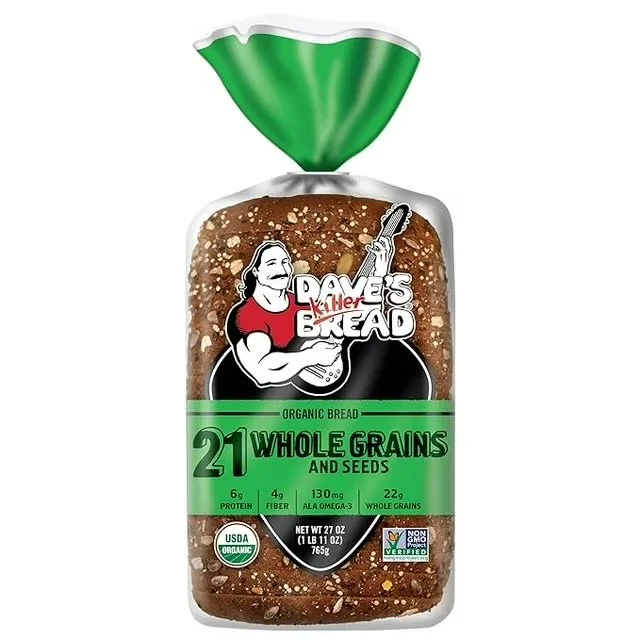
The finding: Glyphosate residues have been found in Dave's Killer Bread products in independent testing, despite the brand's whole grain positioning and its USDA Organic certification.
This last point requires some explanation, because it is the part most likely to generate genuine surprise.
USDA Organic certification prohibits synthetic pesticides from being applied to certified crops. It does not prohibit glyphosate residues in the finished product. Glyphosate has become so pervasive in agricultural environments, through spray drift, soil persistence, and water contamination, that it appears in products whose producers never intentionally applied it.
The Environmental Working Group tested a range of oat-based and whole grain products and found glyphosate in multiple organic-certified products. Dave's Killer Bread appeared in this analysis.
The context: Dave's Killer Bread does carry USDA Organic certification, which is meaningful. It represents a genuine commitment to non-synthetic pesticide use in the supply chain. The residue issue reflects a systemic agricultural contamination problem, not necessarily a brand-level failure. The organic standard is being outpaced by the persistence of a chemical that has penetrated the broader environment.
What to do instead: If glyphosate exposure is a specific concern, look for brands that publish third-party glyphosate testing results by lot. Sourdough made with traceable, small-farm organic wheat from regions with lower glyphosate saturation is another lower-exposure option. Einkorn and heritage grain varieties are also increasingly available.
7. Vital Farms
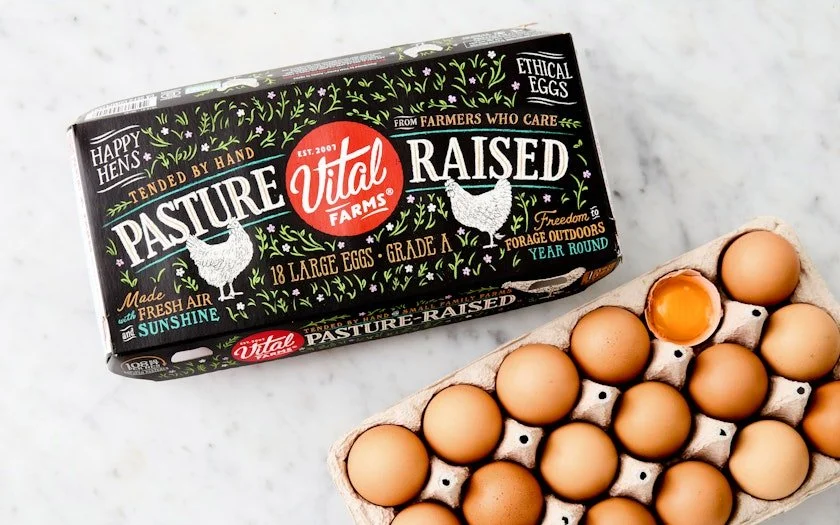
The finding: Vital Farms labels its eggs as "pasture-raised," which is accurate. The hens do have outdoor access year-round. What the label does not disclose is that those hens are fed conventional corn and soy, not organic, and that the feed itself is not subject to the same standards as the outdoor access claim.
The context: This is the least alarming entry on this list, and in some ways the most instructive, because it is less about contamination and more about the distance between what a label implies and what it delivers.
"Pasture-raised" is a welfare standard. It tells you something meaningful about how the animal lived. It tells you almost nothing about what the animal ate, and therefore tells you less than you might assume about what you are eating when you consume that animal's eggs. The fatty acid profile, vitamin D content, and overall nutritional quality of eggs are significantly influenced by diet, not just by outdoor access.
Vital Farms produces a genuinely higher-welfare product than the industry baseline. The outdoor access is real. The question is whether the nutritional premium that consumers are paying for, and that the brand implicitly promises, is fully supported by a conventional grain diet.
What to do instead: Ask the question directly. A small number of egg brands now publish full feed transparency alongside their welfare claims. Local farms and farmers markets are often the easiest place to find genuinely pasture-raised hens on diverse, non-conventional diets. The question to ask is: "What do your hens eat?"
What This Means for How You Shop
We want to be specific about what we are not saying.
We are not saying stop buying these products. We are not saying they are dangerous. We are saying that the trust you extend to a brand when you pick something up at Whole Foods is often trust that has not been fully earned by the evidence.
The most consistent pattern across these seven findings is not malice. It is the gap between what a supply chain can guarantee and what a label promises. Packaging communicates certainty. Supply chains deliver probability.
The practical takeaway is this: the most important shift is not brand-switching. It is developing the habit of asking one layer deeper. Not "is this organic?" but "what does organic actually guarantee here?" Not "is this pasture-raised?" but "what did it eat?" Not "is this natural?" but "was it third-party tested for heavy metals?"
These are not difficult questions. They are just questions that most brand marketing is designed to make unnecessary.
Our Standard for This Series
Every claim in The Difference is sourced. Where we cite a finding, we are citing testing that exists and can be reviewed. We flag where findings are contested, where context substantially changes interpretation, and where our read of the evidence differs from the most alarming version of the story.
We are not a lab. We are editors. Our job is to give you a more accurate map of the terrain so that your decisions, whatever they are, are genuinely informed.
Full citations for this piece are available below.
SourcesEnvironmental Working Group (EWG): Glyphosate testing in food products (2018, 2020 reports)Schaider et al., "Fluorinated Compounds in U.S. Fast Food Packaging," Environmental Science and Technology Letters, 2017Doherty et al., "Phthalates in Dairy Products," Environmental Science and Technology, 2021Consumer Reports, "Lead and Other Heavy Metals Found in Some Dark Chocolate and Other Foods," 2023Ndagire, "PFAS in Kombucha," independent testing summary, Food and Chemical Toxicology, 2022USDA Agricultural Marketing Service: Organic regulation standards and glyphosate residue policy guidanceKerrygold / Ornua: Irish dairy grass-feeding compliance standards, published annuallyVital Farms: Animal welfare and feed standards disclosure, investor materials 2022-2023EU EFSA: Glyphosate re-evaluation 2023 findings
This article is part of The Difference, Cléco's series on the gap between brand positioning and research. It is not sponsored.
