Smart rings and watches promise a clearer picture of our health. But a number on your phone doesn't always tell the whole story.
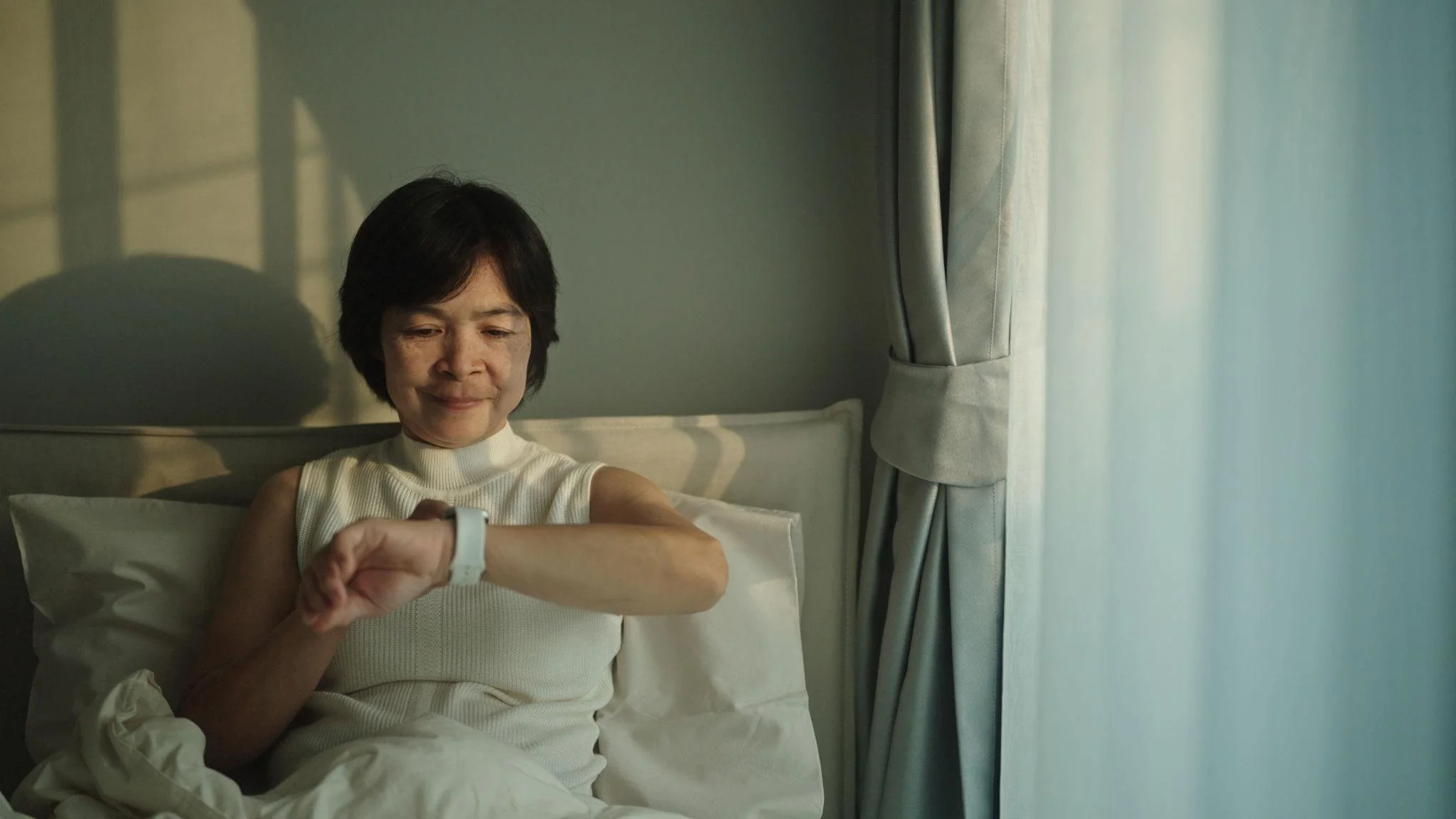
You wake up feeling rested. Then you check your sleep score.
Sixty-two.
Suddenly, a perfectly good morning feels less convincing.
From the Oura Ring to the Apple Watch and WHOOP, wearable technology has made sleep and recovery data part of everyday life. But there's an important distinction between tracking sleep and understanding it.
Your sleep score is an estimate, not a medical diagnosis.
What Is Your Sleep Tracker Actually Measuring?
Most consumer wearables use combinations of movement, heart rate, and other physiological signals to estimate when you're asleep and how your body is recovering.
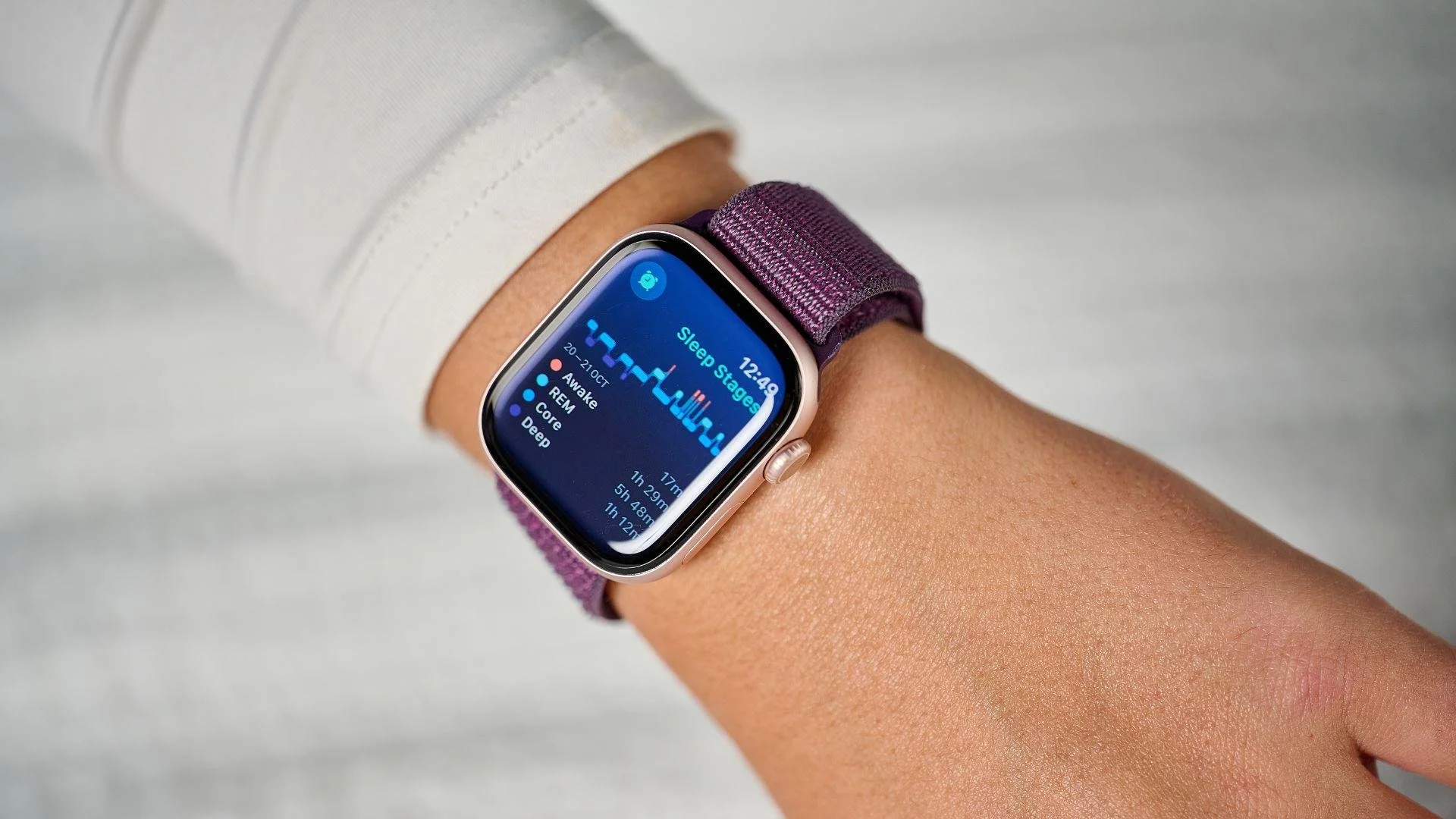
Their algorithms turn those measurements into simplified scores.
But sleep stages are not measured directly in the same way as a clinical sleep study, which records brain activity alongside other signals.
That means a wearable may provide useful patterns without getting every night exactly right.
Can Tracking Your Sleep Make You More Anxious?
For some people, yes.
The American Medical Association highlighted this concern in September 2026: while health wearables can support healthier habits, constant monitoring and daily targets may also contribute to anxiety or unhealthy fixation.
Consider what happens when someone starts organizing their morning around a recovery score rather than how they actually feel.
They may avoid exercise after a low score, worry about normal fluctuations, or become preoccupied with achieving a perfect night.
A tool intended to support wellbeing can become another performance metric.
So Should You Stop Wearing Your Oura Ring or Apple Watch?
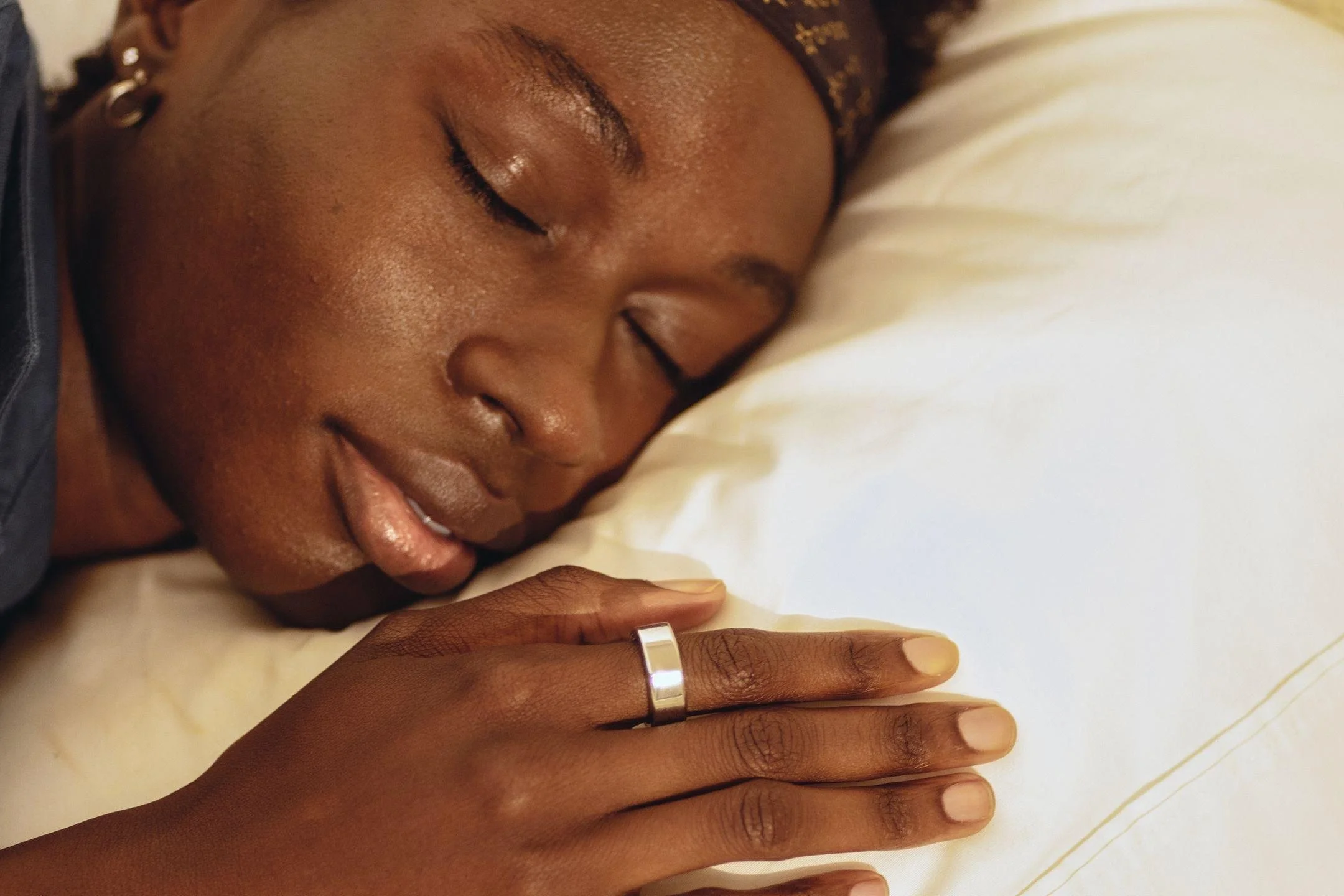
Not necessarily.
The value of tracking is in recognizing patterns over time.
If your sleep consistently worsens after late caffeine, irregular bedtimes, or alcohol, that information may help you make useful changes.
But a single disappointing score shouldn't automatically override your experience.
A more considered approach is to ask:
Do I feel rested during the day?
Am I maintaining a reasonably consistent sleep schedule?
Is this information helping me make better decisions, or simply making me worry?
If you regularly struggle with excessive daytime sleepiness, persistent insomnia, or symptoms such as loud snoring and gasping during sleep, speak with a healthcare professional rather than relying on a tracker to rule out a problem.
The Questions Worth Asking
Can a smart ring accurately diagnose a sleep disorder? No. Consumer sleep scores are not substitutes for medical evaluation.
Is a high sleep score always a sign of good health? No. It is one algorithm's interpretation of selected measurements.
What's more useful than chasing a perfect score? Consistent sleep habits, daytime functioning, and paying attention to persistent symptoms.
Technology can help us notice patterns. It shouldn't make us distrust every signal our own bodies send.
At Clèco, we believe wellness should make life more understandable—not more complicated.
Sources: American Medical Association, What Doctors Want Patients to Know About Health Wearables (September 2026); American College of Sports Medicine, Top Fitness Trends for 2026.
