At a recent CEW × NielsenIQ beauty industry event in Chicago, one consumer-spending question revealed something bigger about what we value—and what luxury is becoming.
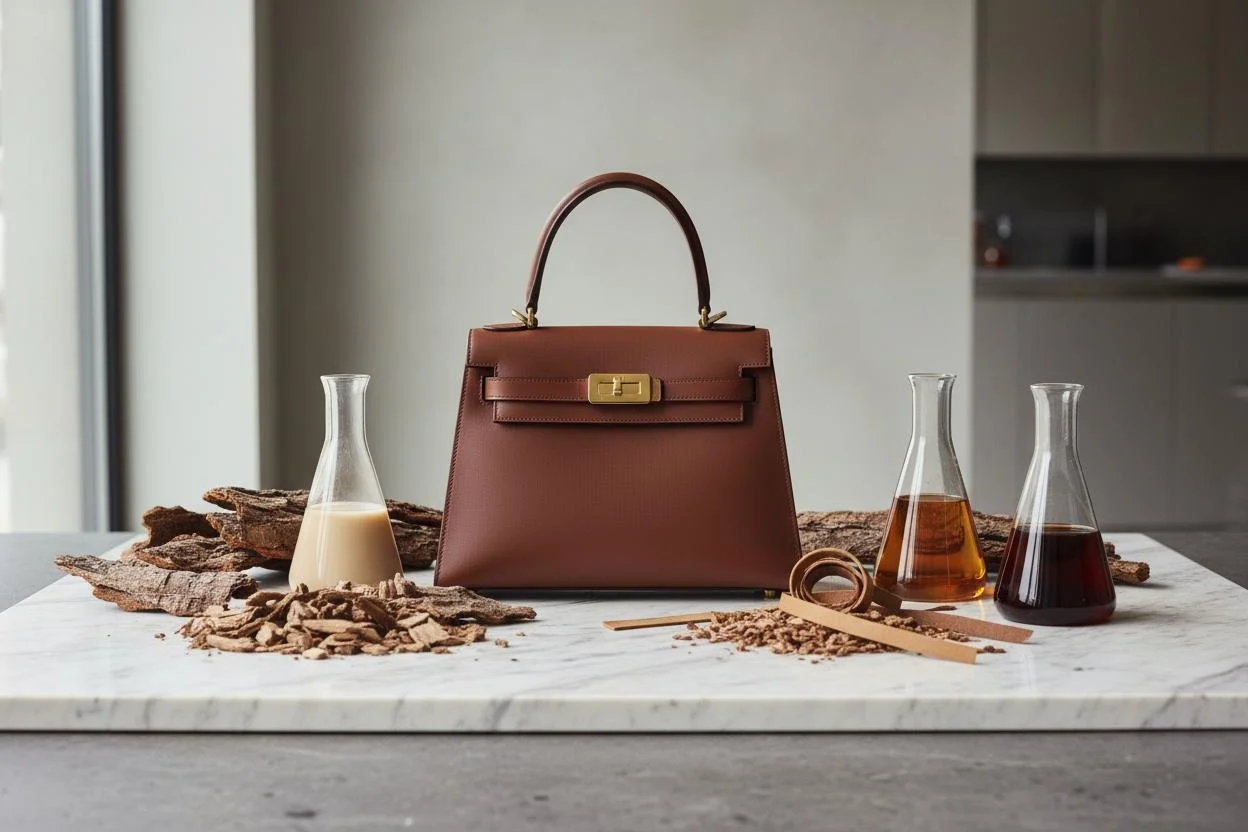
A designer handbag or something for your health?
It sounds like an unusual comparison. But at the November 5 CEW × NielsenIQ Beauty Insights Live event in Chicago, a consumer-spending finding caught our attention: when presented with a choice between a designer purchase and wellness, more than 60% reportedly favored wellness, with vitamins and supplements emerging as a leading preference.
For an industry that has spent decades selling beauty, aspiration, and luxury, that raises an interesting question.
Are consumers beginning to see feeling better as a greater luxury than looking expensive?
The finding was shared during the event presentation; the exact percentage and category ranking have not yet been independently verified against the underlying study.
Is Wellness Becoming the New Luxury?
Luxury has traditionally been associated with what other people can see: a designer bag, a recognizable watch, or an exclusive fashion label.
Wellness is different.
A supplement, a sleep consultation, or a fitness membership may not communicate status as visibly. Instead, the purchase promises something personal: energy, longevity, recovery, or peace of mind.
NielsenIQ's 2026 research describes wellness as increasingly central to how consumers evaluate products and brands. Its State of Beauty 2026 findings also report that 63% of consumers consider mental wellness essential in their beauty choices.
The implication isn't that consumers have stopped wanting beautiful things.
It's that the definition of something worth spending on is expanding.
Why Are Vitamins and Supplements So Appealing?
Supplements sit at the intersection of convenience, personal control, and the desire to prevent future problems.
A bottle of vitamins can feel like a small, manageable investment in long-term health.
That perception has helped wellness move beyond traditional health stores and into beauty retail, social media, and everyday routines.
But popularity introduces an important distinction.
Buying a wellness product is not the same as receiving a proven health benefit.

Some supplements are valuable for people with identified nutritional deficiencies or specific clinical needs. Others are marketed with promises that exceed the available evidence.
And more isn't automatically better. Certain vitamins and minerals can cause harm at excessive doses or interact with medications.
The most considered purchase isn't necessarily the supplement with the most impressive packaging. It's the one that addresses a real need, at an appropriate dose, with credible evidence behind it.
What Does This Mean for Beauty Brands?
The boundary between beauty and wellness is becoming harder to define.
At the Chicago event, the discussion brought together professionals working across beauty, ingredients, and wellness, reflecting how closely these industries now intersect.
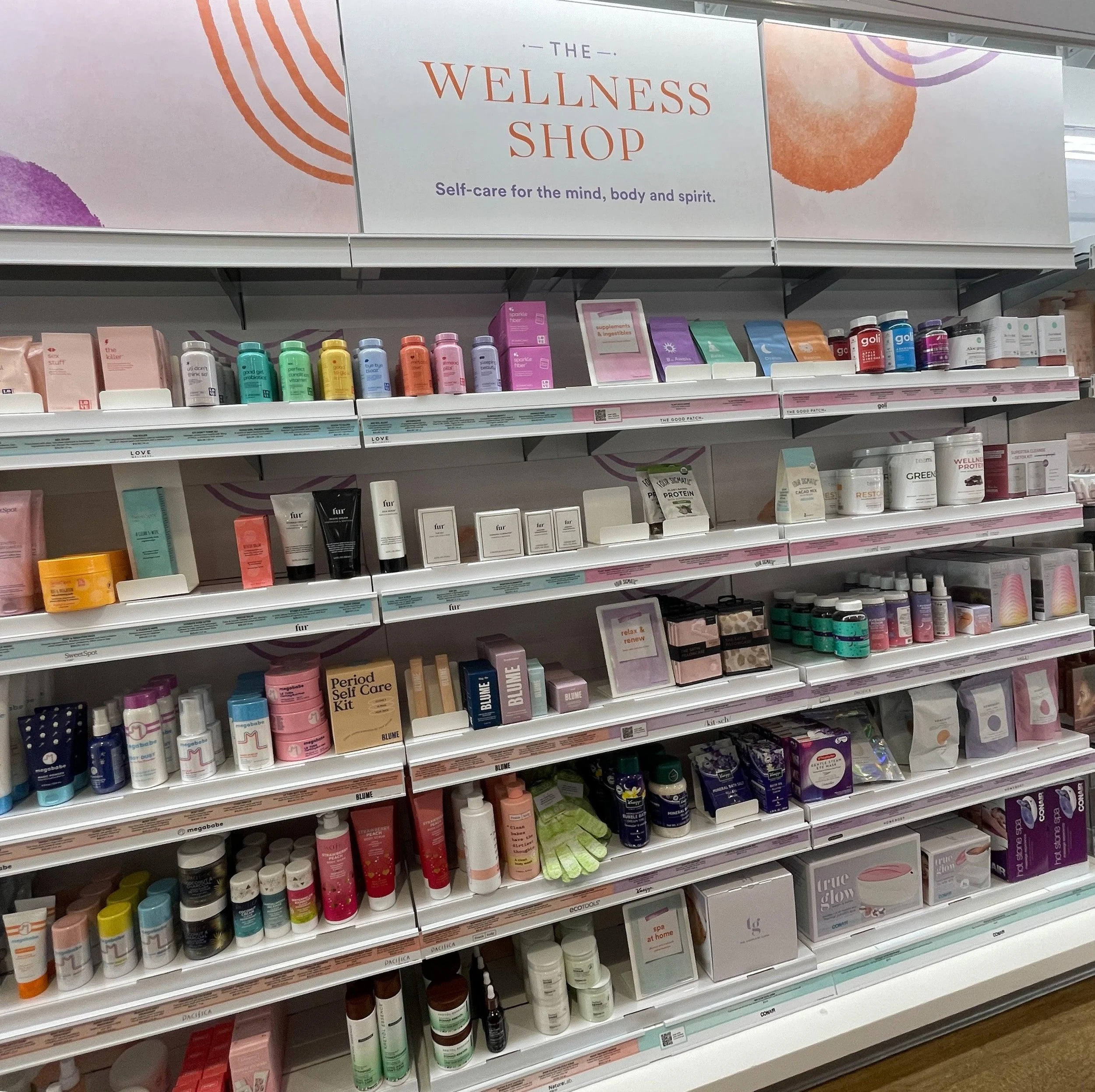
NielsenIQ's broader research points to consumers seeking functional benefits, ingredient transparency, and products suited to their individual needs.
For brands, this creates opportunity—but also responsibility.
A skincare company can no longer assume that words such as wellness, science-backed, or longevity will be enough.
Consumers deserve to know what has actually been tested, what the evidence demonstrates, and where marketing begins.
The brands that communicate those distinctions clearly have an opportunity to earn something more valuable than a quick purchase: trust.
Does Spending More on Wellness Mean Living Better?
Not necessarily.
A $150 supplement subscription doesn't automatically offer more health value than nutritious food, adequate sleep, regular physical activity, or appropriate preventive healthcare.
And wellness isn't equally accessible.
NielsenIQ identifies cost, time, and access as major barriers to healthier choices. That matters when the industry increasingly presents health as something consumers must purchase.
There is a difference between investing in wellbeing and feeling pressured to buy it.
A considered approach asks three questions before spending:
What specific need am I addressing?
What credible evidence supports this product or service?
Is there a simpler, more affordable way to achieve the same goal?
These questions apply whether the purchase is a $30 vitamin, a $300 wellness treatment, or a $3,000 handbag.
The Questions Worth Asking
Are consumers really choosing wellness over designer goods?
A comparison presented at the November 2026 CEW × NielsenIQ Chicago event suggested a preference for wellness. The exact survey methodology and reported percentage still need confirmation from the underlying study.
Are vitamins and supplements always worth the investment?
No. Their value depends on individual needs, evidence of benefit, safety, and product quality.
Is luxury fashion losing its appeal?
The available research doesn't establish that. It suggests consumers are increasingly evaluating luxury and wellness purchases through personal value and perceived benefits.
What should wellness brands be doing differently?
Providing clearer ingredient information, appropriate scientific substantiation, transparent claims, and products that offer meaningful value.
The Clèco Perspective: Clarity Is the New Luxury
The most interesting part of the designer-versus-wellness question isn't which category wins.
It's why consumers are reconsidering what deserves their money.
A designer handbag can represent craftsmanship, identity, and personal pleasure. A well-chosen wellness purchase can support an important health goal.
Neither is automatically more responsible, more luxurious, or more worthwhile.
The distinction is whether the purchase delivers something meaningful to the person making it.
Perhaps the future of luxury isn't choosing wellness over fashion. It's knowing what is genuinely worth investing in—and why.
That's where informed living begins.
Clèco covers fashion, beauty, wellness, and the decisions shaping modern life. Clarity is the new luxury.
Reporting and sources: Clèco's attendance at CEW × NielsenIQ Beauty Insights Live, Chicago, November 5, 2026; NielsenIQ, Wellness Is No Longer a Category. It Is the Architecture of Modern Living (April 2026); NielsenIQ, Health & Wellness in 2026 (June 2026); NielsenIQ, State of Beauty 2026
