New U.S. cosmetics rules give regulators more authority. Shoppers still deserve clearer answers about what is in a product and what its claims mean.
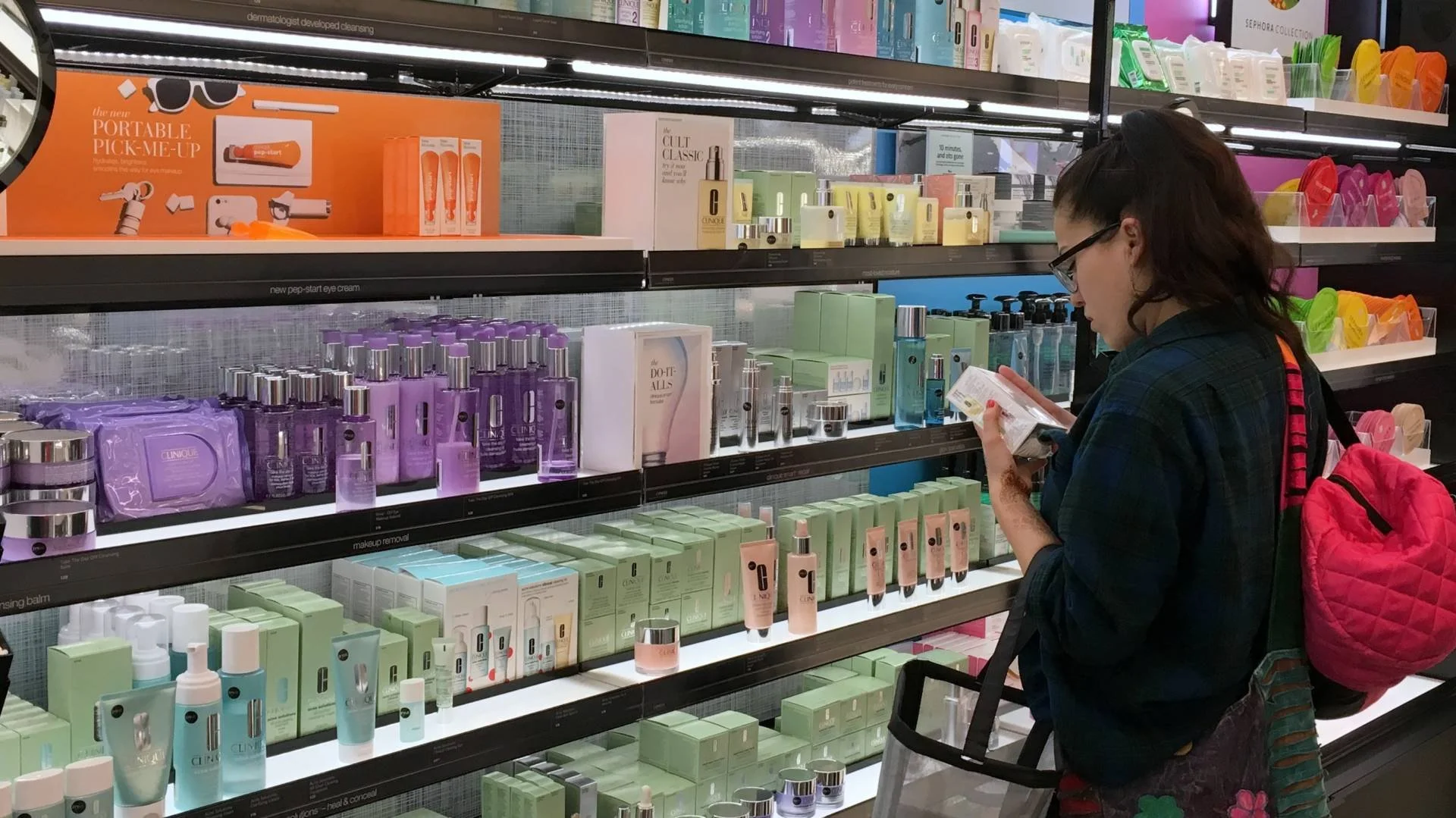
A moisturizer can tell you it is “clean.” Another can promise to be “for sensitive skin.” Both phrases are easy to notice. It takes more work to find out what either brand means by them, how it assessed the finished product, or whether the fragrance contains something you know you react to.
That is the opening for a more honest conversation about beauty reform.
U.S. cosmetics law has changed. The information people need to make a confident choice has not caught up.
Congress passed the Modernization of Cosmetics Regulation Act, known as MoCRA, in 2022. It gave the FDA new authority to access certain records and order a recall under specific conditions. It also requires companies to substantiate product safety, report serious adverse events, and, in many cases, register manufacturing facilities and list products with the agency. These are substantial changes to a system that had gone decades without comparable federal reform. FDA

Yet most cosmetics still reach shelves without FDA approval before sale. The company whose name appears on the label is responsible for ensuring the product is safe and properly labeled. MoCRA requires that company to maintain evidence supporting its safety assessment, but a shopper cannot read that assessment while deciding what to buy. FDA
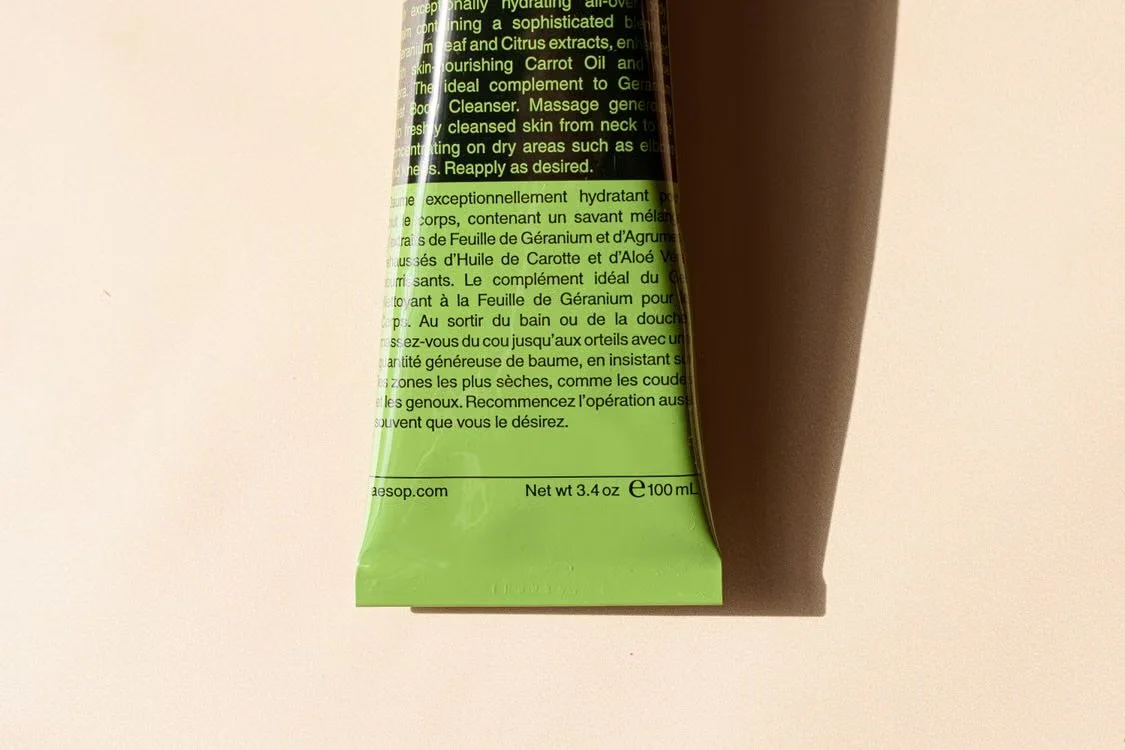
Fragrance makes the distance between a legal ingredient list and a useful one particularly clear. A retail cosmetic must carry an ingredient declaration, but its fragrance components can generally appear under the single word “Fragrance.” Someone with a known sensitivity may need to contact the manufacturer to ask what that word covers. MoCRA calls for fragrance allergen labeling requirements, but the FDA still lists their implementation among its ongoing work. FDA
Marketing can add another layer of uncertainty. The FDA says there is no federal standard governing terms such as “hypoallergenic,” “fragrance-free,” or “for sensitive skin.” It has not established a regulatory definition of “natural” for cosmetic labels. That does not give brands permission to mislead people. Advertising claims must be truthful and supported, including claims that suggest a product is safer. It does mean a reassuring phrase on the front of a bottle cannot answer every question raised by the formula on the back. FDA
States are also acting. Illinois passed the Chemicals in Cosmetic Products Act in 2026 to restrict certain intentionally added ingredients in cosmetics sold in the state. It takes effect on July 1, 2028. The law is a reminder that reform can be real and still leave time between passage and a change at the store shelf. ilga.gov
So what is up to us? Shoppers can ask a brand which ingredients sit behind a claim, request fragrance details when an allergy matters, and report an unexpected reaction. Editors can examine a product’s claims alongside its ingredient list and the evidence the company makes available. Retailers can ask the brands they carry for clearer explanations. These questions give the public a way to press for better disclosure while regulators implement the law and companies meet their obligations. The FDA accepts consumer reports of cosmetic reactions and product problems, including irritation, burns, unusual smells, and signs of contamination. FDA
A shopper should be able to enjoy beauty without becoming a regulatory investigator. Until the answers are easier to find, asking precise questions is one way to move the industry toward the clarity its customers have been asking for.
