Consumers Don't Have a Trust Problem. They Have an Information Overload Problem.
Category: Insights
Reading Time: 4 minutes
Best For: Anyone who has ever spent more time researching a product than actually buying it.
We have more beauty information than ever before. So why do choosing products feel harder?
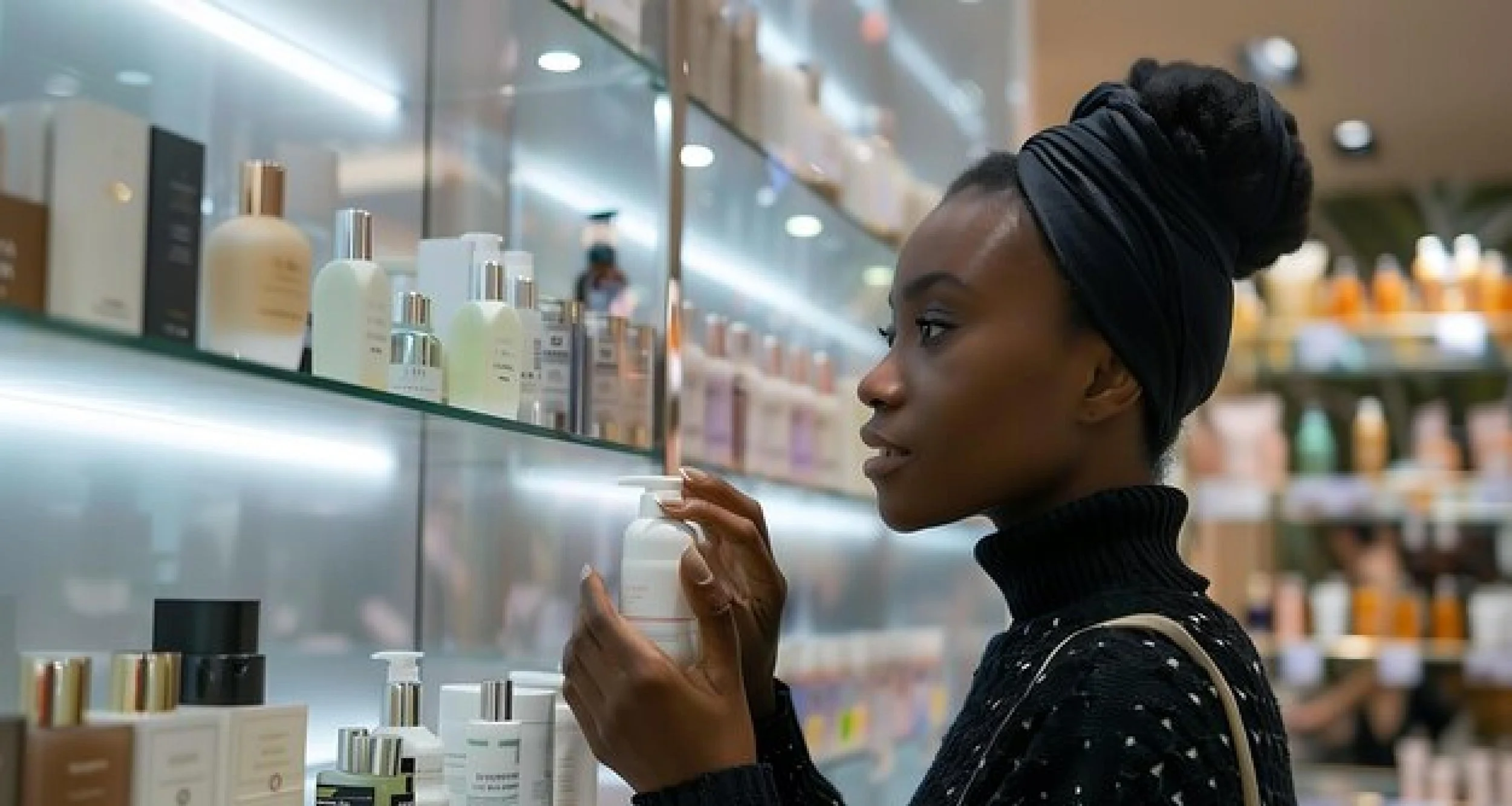
Twenty years ago, buying skincare was relatively straightforward. You might ask a salesperson, read the packaging, or trust a recommendation from a friend.
Today, every purchase comes with an avalanche of opinions.
A dermatologist recommends one ingredient. An influencer says it's outdated. Reddit users swear by another product. TikTok insists you're using your routine in the wrong order. Artificial intelligence offers a detailed explanation in seconds, while dozens of creators post conflicting advice in the same afternoon.
Consumers aren't suffering from a lack of information.
They're drowning in it.
The age of infinite advice

The internet has democratized beauty education. Ingredient dictionaries, scientific publications, dermatologists on social media, consumer reviews, and AI tools have made knowledge more accessible than ever before.
That's a positive shift.
But it has also created a new challenge.
When every source sounds confident, knowing who to trust becomes almost as difficult as understanding the science itself.
The result isn't better decision-making.
It's decision paralysis.
More information doesn't always create more confidence
Behavioral researchers have long observed that an abundance of choices can reduce confidence rather than increase it. The same principle applies to beauty.
Instead of asking, "Is this a good moisturizer?" consumers now ask:
Which ingredient matters most?
What concentration is effective?
Is this ingredient evidence-based?
Is the study sponsored?
Does my skin even need this?
What if another product is better?
The pursuit of the "perfect" product often delays the decision altogether.
Consumers are becoming investigators
Today's beauty shopper behaves more like a researcher than a traditional consumer.
Before making a purchase, many people compare ingredient lists, search for clinical evidence, read community reviews, consult dermatologists online, and increasingly ask AI to summarize complex information.
The expectation has shifted.
Consumers no longer want marketing claims.

They want explanations.
The next competitive advantage isn't another ingredient
For years, brands competed by launching the next trending ingredient.
Vitamin C.
Retinol.
Niacinamide.
Peptides.
Exosomes.
Today, those ingredients are widely available across price points.
What consumers increasingly value isn't simply what is inside a product, but whether they can understand why it's there and whether the evidence supports its purpose.
Clarity is becoming a competitive advantage.
The Clèco Insight
The modern consumer isn't asking for more information—they're asking for better interpretation.
As ingredient lists become longer, product claims become louder, and digital advice becomes endless, the brands and platforms that simplify complexity without sacrificing scientific integrity will earn something increasingly difficult to win: confidence.
The future of beauty won't belong to whoever speaks the loudest. It will belong to whoever makes understanding easier.
