Why Everyone Suddenly Wants to Live Like a Six Senses Guest

Better sleep. Slower mornings. Food that feels restorative. Less screen time. Somewhere along the way, the luxury hotel stopped selling escape and started teaching us how to live.
The ultimate hotel souvenir used to be a robe.
Now, it might be a new bedtime.
At Six Senses, wellness isn't confined to the hour between checking into the spa and putting your clothes back on. The brand has spent years weaving it into almost everything a guest encounters: what they eat, how they sleep, how they move and even how much attention they give their phones.
Its philosophy is surprisingly simple: the stay itself should make you feel better.
And increasingly, that sounds less like a vacation fantasy and more like the life everyone is trying to build at home.
The Hotel Became the Wellness Expert
Luxury hospitality once promised indulgence.
A great bed. Champagne. Room service. Perhaps a massage.
Six Senses offers a different version of luxury: optimization without making it feel like work.
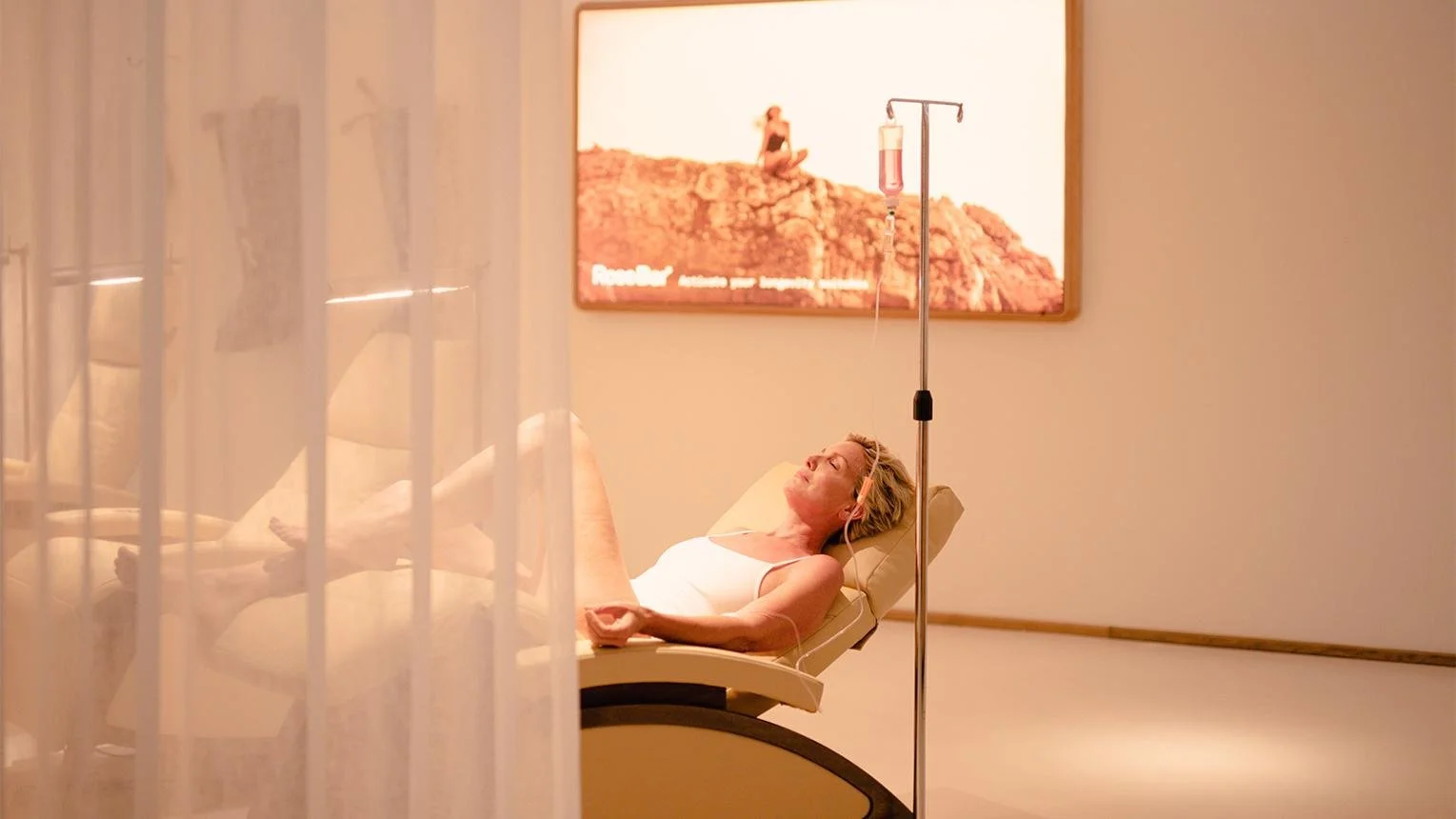
Its sleep programs can combine sleep tracking with meditation, yoga nidra, nutrition advice and low-intensity movement. At Six Senses Kyoto, technology is used to assess aspects of health, movement and sleep before treatments and recommendations are personalized. At Six Senses Ibiza, RoseBar goes further into longevity with diagnostics alongside tools including cryotherapy, photobiomodulation and hyperbaric oxygen therapy.
Yet the experience isn't designed to feel like a medical facility.
That's important.
Because Six Senses has helped package something highly technical—wellness optimization—inside something people already understand: a beautiful life.
We Don't Want the Spa. We Want the Rituals.

Look at the habits now circulating far beyond luxury resorts.
Morning sunlight. Earlier dinners. Better bedding. Breathwork. Walking. Sleep tracking. Sauna. Cold exposure. Local food. Meditation. Digital boundaries.
Individually, none belongs to Six Senses.
What luxury wellness hotels have done particularly well is put them together.
Instead of wellness being another appointment squeezed into an already overloaded life, it becomes the architecture of the day.
You wake differently. Eat differently. Move differently. Rest differently.
Six Senses itself has been moving in this direction for years. Its Sleep With Six Senses initiative began integrating mattresses, organic bedding and sleep-focused amenities into rooms in 2014; Eat With Six Senses followed in 2015. The company now explicitly describes wellness as something that extends beyond a hotel stay and into homes and communities.
The real luxury isn't the treatment.
It's having an environment that makes taking care of yourself feel effortless.
The New Souvenir Is a Lifestyle
Perhaps this explains why luxury travel is becoming less about temporarily escaping your life and more about discovering how you wish your life felt.
Slower.
Quieter.
Better slept.
More deliberate.
Of course, recreating Six Senses at home doesn't require a longevity clinic—or a flight to Ibiza.
It might simply mean protecting sleep like an appointment. Eating without a screen. Walking outside in the morning. Buying fewer things for “wellness” and creating more rituals that actually make daily life feel well.
That may be the hotel's greatest influence.
Six Senses isn't simply selling the fantasy of disappearing somewhere beautiful for a week.
It's selling an even more seductive idea:
What if you didn't need a vacation to feel this way?
