The Third Place Crisis: Why Everyone Feels Lonely—and What Happened to Community
Category: Lifestyle
Reading Time: 4 minutes
Best For: Anyone who has ever wondered why making friends as an adult feels surprisingly difficult.
For many people, loneliness doesn't look like being alone.
It looks like a calendar full of meetings, a group chat that never stops buzzing, and a social media feed filled with updates from hundreds of people. Yet despite being more connected than ever, many adults say they feel increasingly isolated.
The question is why.
Part of the answer may lie in something sociologists call the third place.
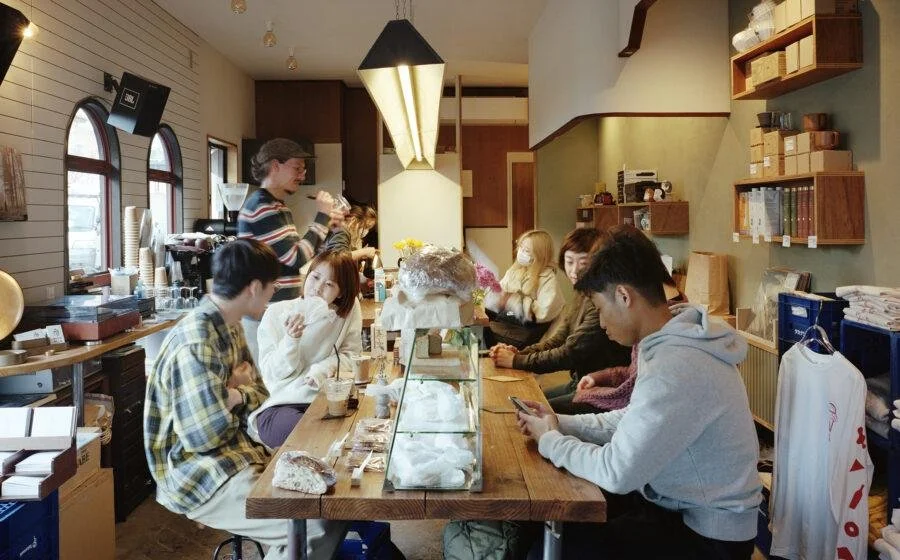
A first place is home. A second place is work. A third place is anywhere people gather simply to exist together. Think neighborhood cafés, bookstores, community centers, parks, churches, gyms, hobby groups, and local gathering spots.
For decades, these places quietly served as the foundation of community. They were where friendships formed naturally, where neighbors became familiar faces, and where people felt a sense of belonging without needing a formal invitation.
Today, many of those spaces have disappeared or changed.
Remote work has reduced casual workplace interactions. Rising costs have made it harder for independent community spaces to survive. Social media has replaced many forms of in-person connection, while streaming services have made staying home more appealing than ever.
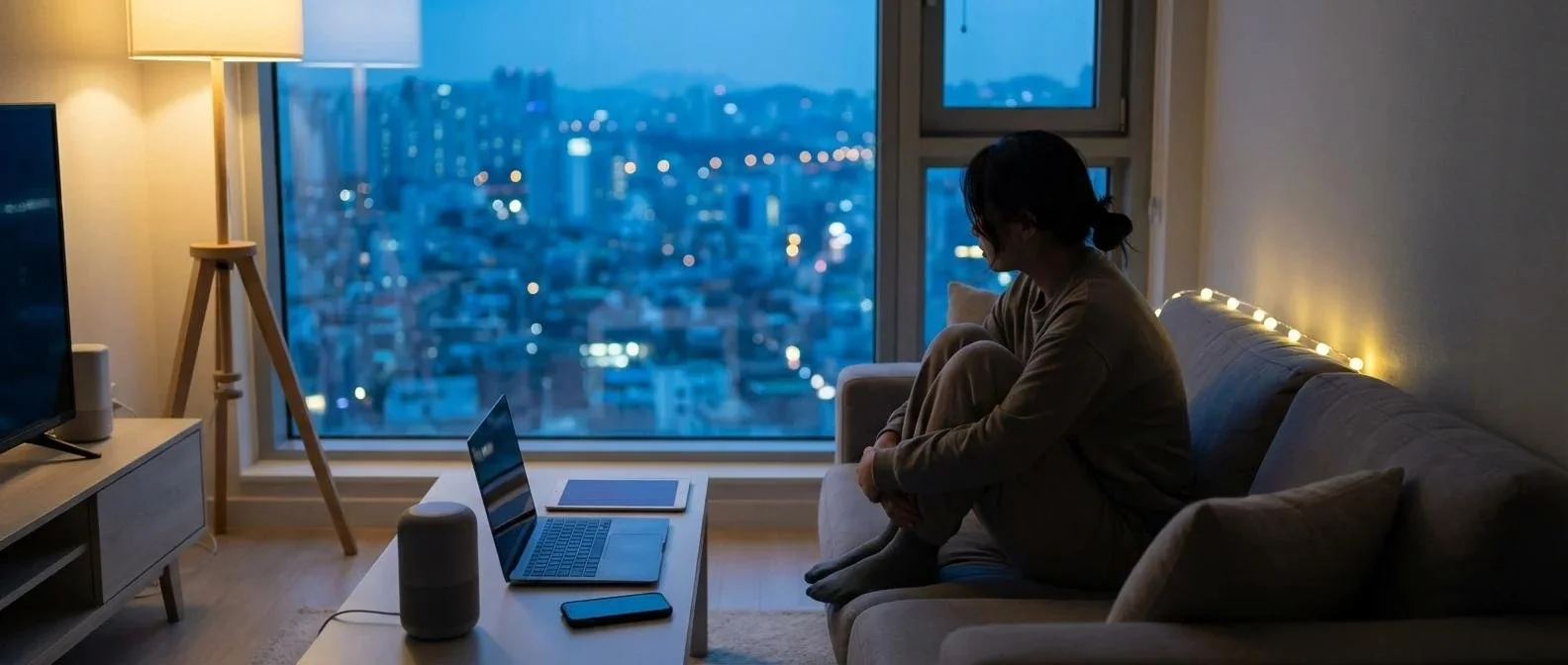
The result is a generation that is digitally connected but often socially fragmented.
Making friends now feels like a task rather than something that happens organically.
Instead of running into the same people at a local café every week, many relationships begin and end through apps. Instead of joining community groups, we scroll through content created by strangers. Instead of spending time in shared spaces, we spend more time alone in personalized digital worlds.
This shift has changed more than our social lives.
Research consistently shows that strong social connections are linked to greater happiness, resilience, and overall life satisfaction. Community influences how we experience stress, navigate challenges, and even how long we live.
The irony is that many people are actively searching for what previous generations encountered naturally.
Book clubs are growing. Running clubs are attracting thousands of members. Community gardens, hobby groups, supper clubs, and local events are experiencing renewed interest. People aren't simply looking for activities. They're looking for connection.

Perhaps that's why some of the most popular social trends today have nothing to do with technology.
People want reasons to gather again.
A weekly walk with friends. A neighborhood coffee shop. A local yoga class. A volunteer organization. A church community. A monthly dinner party.
These moments may seem small, but they create something many people feel is missing.
Belonging.
The solution to loneliness may not be another app, another platform, or another notification. It may be finding a place where you are known, recognized, and welcomed on a regular basis.
A place where your presence matters.
In other words, a third place.
The Clèco Perspective
Community is often treated as a lifestyle luxury, but it may be one of the most important ingredients of a fulfilling life. As we spend more time online, creating space for real-world connection becomes increasingly valuable. Sometimes the most meaningful upgrade to your routine isn't a new product or habit. It's finding people to share life with.
