How Do Global Brands Build Campaigns That Work Across Cultures?
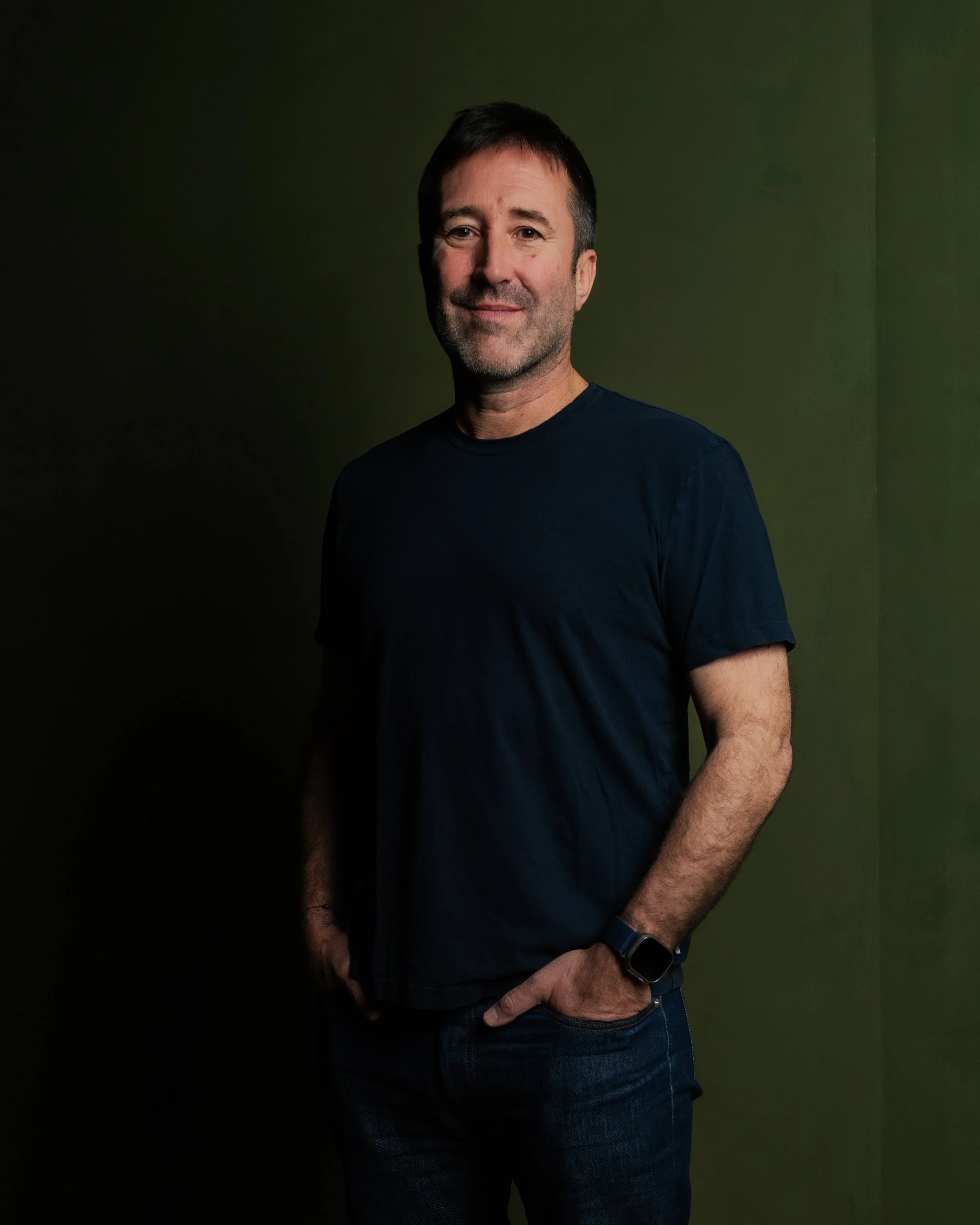
Frédéric Raillard, Co-Founder of FRED & FARID and Founder of [Ai]magination. FRED & FARID / All rights reserved.
It takes a rare kind of confidence to say the same thing in Shanghai, New York, and Paris — and have it land three different ways, each one feeling made just for that city. It might be the hardest trick in modern marketing. Frédéric Raillard, cofounder of the agency Fred & Farid, has landed on an answer that won’t please anyone hoping a spreadsheet could solve it: more data was never going to be enough. What matters is deeper cultural understanding — the kind you only get by actually living somewhere, not just studying it from far away.
In short: A global brand holds one identity and lets it speak in many voices. Frédéric Raillard’s approach is to lock in what a brand fundamentally is, and let everything else — tone, references, feel — shift depending on the market. No dashboard replaces the instinct you get from simply being there.
Why can’t you understand a market from a distance?
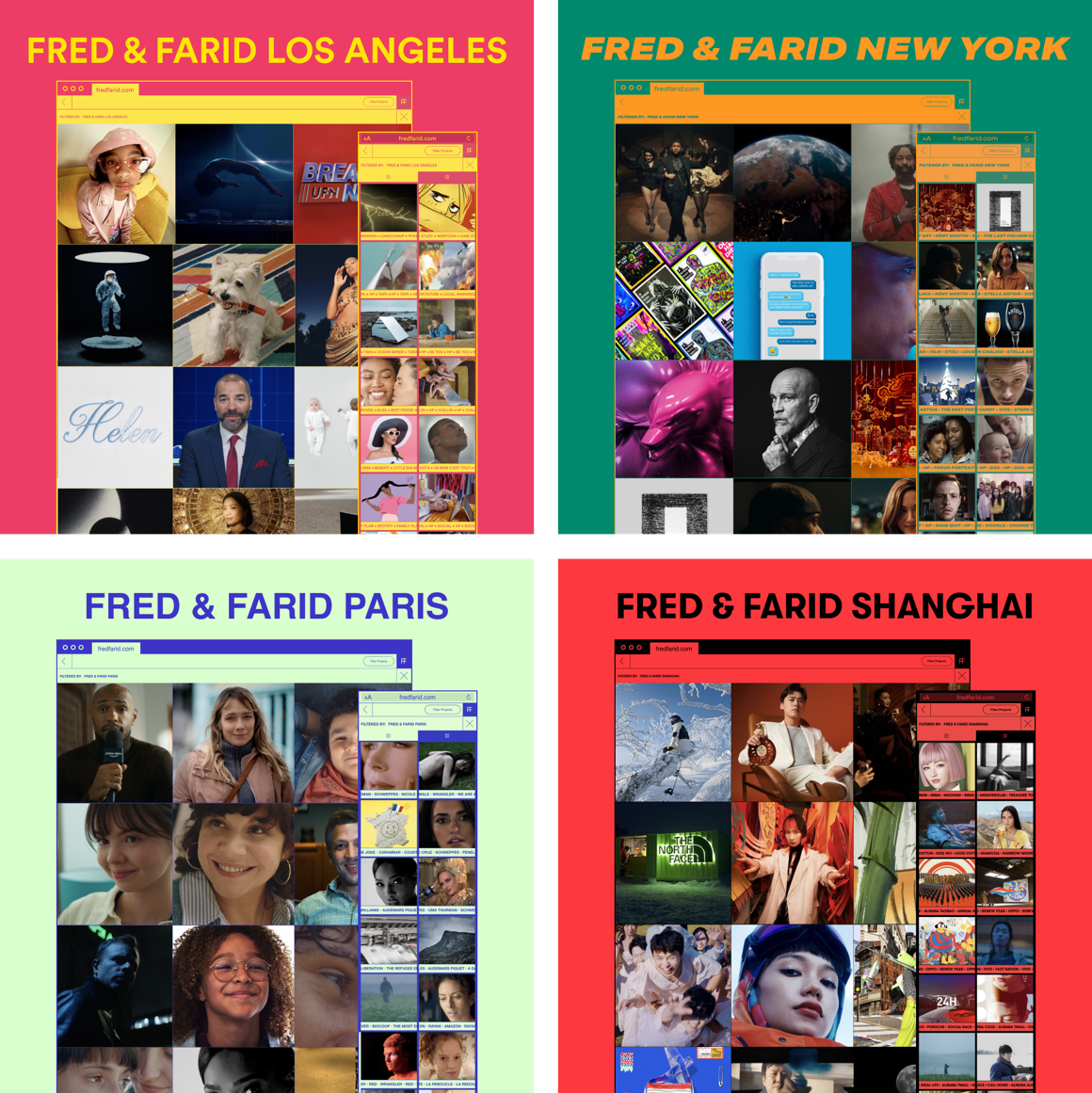
You can build the best local team money can buy. It still won’t be enough. Something about truly understanding a market — its instincts, its quirks, the things people never say out loud — doesn’t work from far away. Frédéric Raillard’s belief is almost old-fashioned: you have to go there. Live there. Let the place get to you.
Distance tricks you into thinking you’re being objective when you’re not. From outside a culture, you end up seeing everything through your own lens without noticing — and the things that matter most rarely announce themselves. They show up in small things: a gesture, a silence, a preference nobody bothers to explain because everyone already gets it.
That’s why Frédéric Raillard treats travel less like a perk and more like the actual job. Data helps. Local experts help. Neither replaces the clarity you get from standing in the room yourself.
What is universal, and what is local?
Somewhere, a celebrity fills stadiums in China and means nothing in New York. It’s a small fact that says a lot: even now, wired together by the same apps and feeds, culture refuses to flatten out. Fame doesn’t travel freely. Neither does meaning.
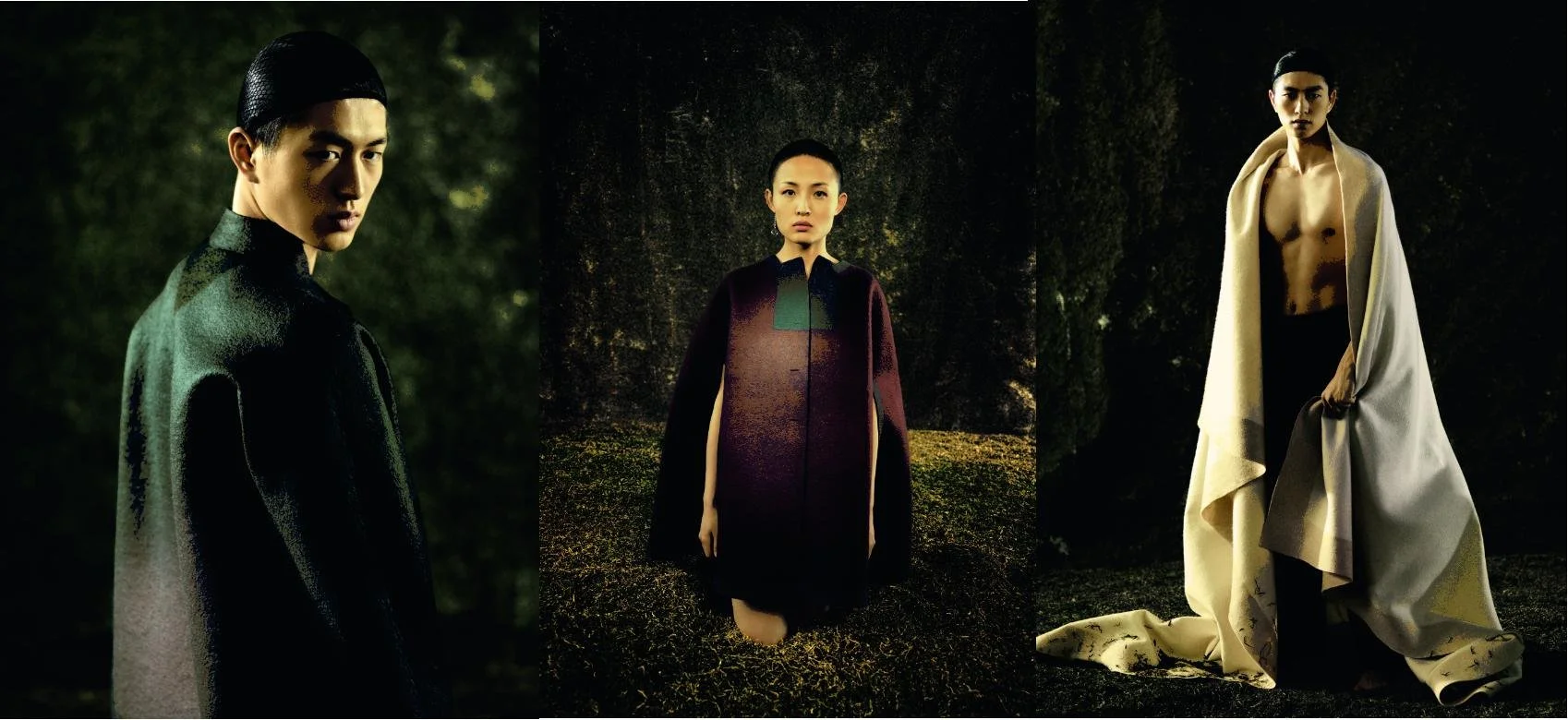
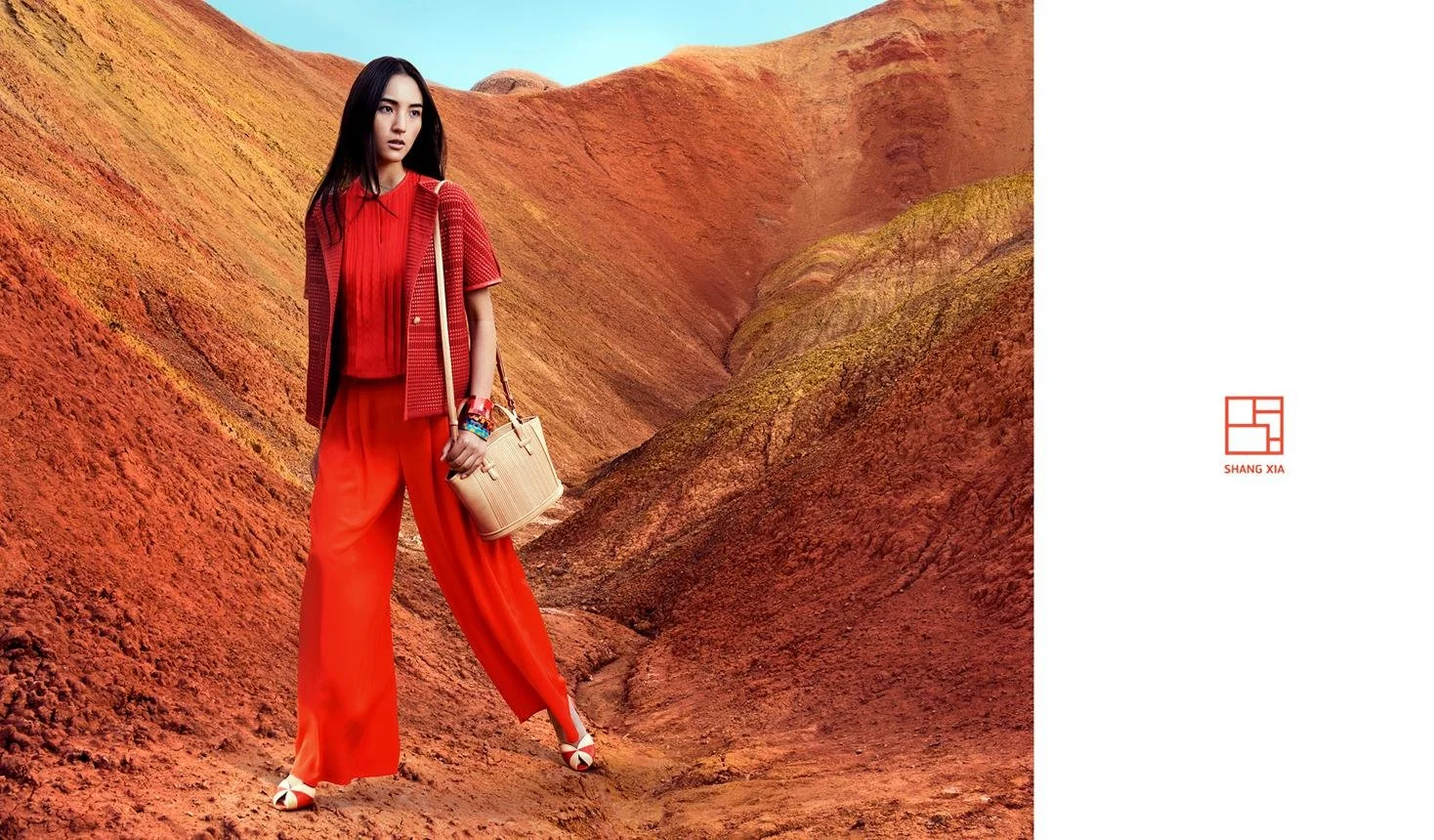

We live in a world split between a few big cultural centers, each pulling in its own direction — and being more connected hasn’t erased those differences. If anything, it’s made them more obvious. For a global brand, that tension never really goes away. It just has to be managed:
• Universal communication — the consistent core that makes a brand recognizable everywhere.
• Local adaptation — the adjustments that make it mean something to the people in front of it.
The real question a brand has to keep asking: what do we have in common, and where do we differ? The strongest brands don’t pick one. They hold onto both — one identity, spoken many ways.
How much should a global brand centralize?
There’s a reason luxury houses guard their symbols and craftsmanship so closely — these aren’t just design choices. They’re the brand’s whole inheritance, and none of it can be left to chance. That’s what pulls global brands, luxury ones especially, toward tighter control from the top: one team sets the direction and builds the key material, while local teams adapt it for their own markets.
The hard part isn’t choosing between control and freedom. It’s knowing which parts of the brand can never change, and which were always meant to.
Layer Owned centrally Adapted locally
Brand identity Symbols, codes, heritage, tone Kept intact
Key assets Master campaigns, visual language Localized versions
Messaging Core idea and positioning Cultural nuance and references
Activation Global direction Channels, timing, execution
How does a brand stay itself while evolving?
Every brand that lasts builds its own language over time — symbols, stories, a way of showing up that gets more recognizable the longer it survives. The instinct, especially under pressure to feel current, is to keep reinventing that language. Frédéric Raillard thinks that instinct has it backward.
The goal was never reinvention. It’s reincarnation — carrying a brand’s real spirit into whatever moment it’s living through. That means balancing three things at once: where the brand came from, the culture around it now, and what it actually needs to sell. The way through all three, in his view, is subtraction — cutting away anything extra until only what’s true is left.
It’s the same idea behind the cultural shift we explored in Soft Power & The New Maximalism: today, identity isn’t about adding more. It’s about saying one true thing clearly.
What will luxury mean in the future?
Push the question out far enough — to 2050, even 2100 — and Frédéric Raillard lands somewhere surprising: status and money alone won’t hold a luxury brand together anymore. As the biggest names in the world go global and start looking more alike, they’ll need something deeper than a price tag to set them apart.
More of that pressure comes from customers than from brands themselves. People ask harder questions before they buy — why you, and what do you stand for. Meaning, in his view, is about to stop being optional. Luxury is drifting toward art, culture, real craftsmanship, and authenticity you can’t fake — and, oddly, toward nature itself.
The more everything becomes easy to get, connected, and copyable, the more anything genuinely rare is worth. Untouched nature, seen that way, starts to look like the ultimate luxury. Owning a thing may soon matter less than feeling something real.
Why are luxury brands moving closer to art and culture?
Music has done something to fashion and luxury that no marketing team could plan on a whiteboard — and Frédéric Raillard, who’s watched this happen up close while living in the United States, sees it as proof of something bigger: the bond between luxury and culture is getting stronger every year.
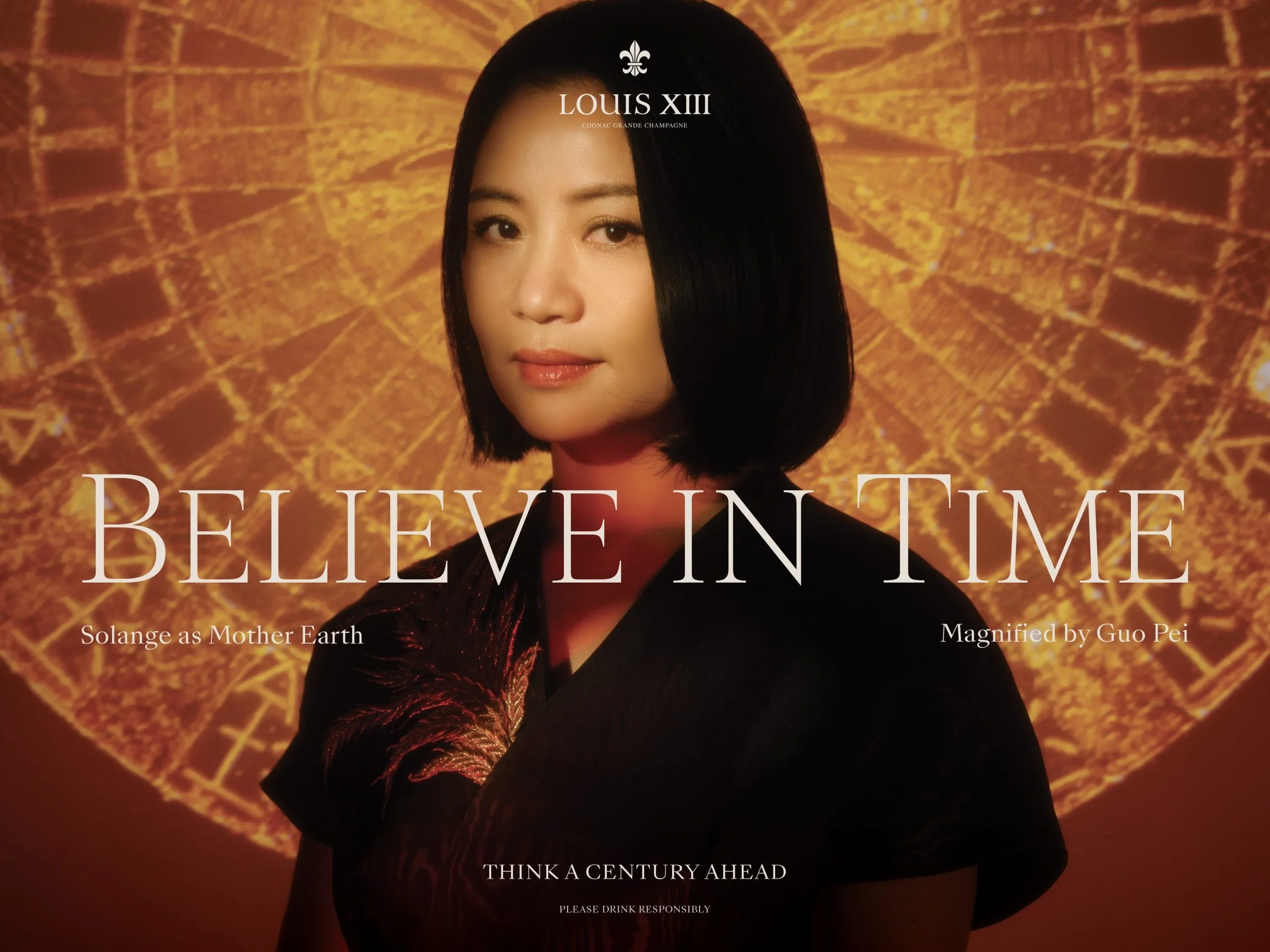
Brands like Louis Vuitton haven’t just sponsored artists and musicians. They’ve built something closer to real friendship — because culture creates a bond advertising never quite manages. Some brands have taken this further, commissioning music or art built on purpose not to be revealed for decades, sometimes a full century.
These aren’t campaigns. They’re cultural moments — assets built to outlast whoever made them, telling stories no ad cycle could hold onto. Which brings its own kind of urgency: as we detailed in Being Clean Is No Longer Enough: The AI Visibility Gap in Modern Beauty, even the richest, most patient brand story still has to be built to be found — in a world where AI, more than any human editor, now decides what actually gets seen.
Conclusion: reach is built on cultural understanding
What do we share? Where do we differ? And how does a brand hold onto its identity through both? Every question about building a global brand comes back to these three.
There’s no dataset that answers them for you — that’s the point Frédéric Raillard keeps coming back to. A market can be measured. It can only be felt by someone willing to go there, spend real time, and let the place teach them something a report never could. In a world where a campaign can be made from anywhere, that felt understanding — earned, not downloaded — is what makes reach actually mean something.
FAQ
What does international campaign reach actually mean? It means a brand stays consistent and recognizable across markets while still feeling native in each one. True reach is not translating one campaign everywhere - it is protecting a universal core identity while adapting expression, references and execution to local culture.
Should global brands centralize or localize their marketing? Both, at different layers. Brands should centralize identity, codes and core messaging to stay coherent, while localizing cultural references, channels and execution to stay relevant. Luxury brands centralize more tightly because their heritage and visual codes are among their most valuable assets.
Why is travel important for building global brands? Because the most important cultural signals are unconscious and resist remote analysis. Living inside a market reveals how people think, behave, and consume - understanding that data and local hires can support but not fully replace.
How is the meaning of luxury changing? Luxury is shifting from status and price toward meaning, authenticity, and culture. As everything becomes connected and reproducible, rarity gains value - and art, craftsmanship, genuine experience, and even untouched nature may become the new markers of true luxury.
This article develops ideas shared by Frédéric Raillard, cofounder of the creative agency Fred & Farid and [Ai]magination, in an interview on cultural markets, the international reach of brand campaigns, and the future of luxury.
